

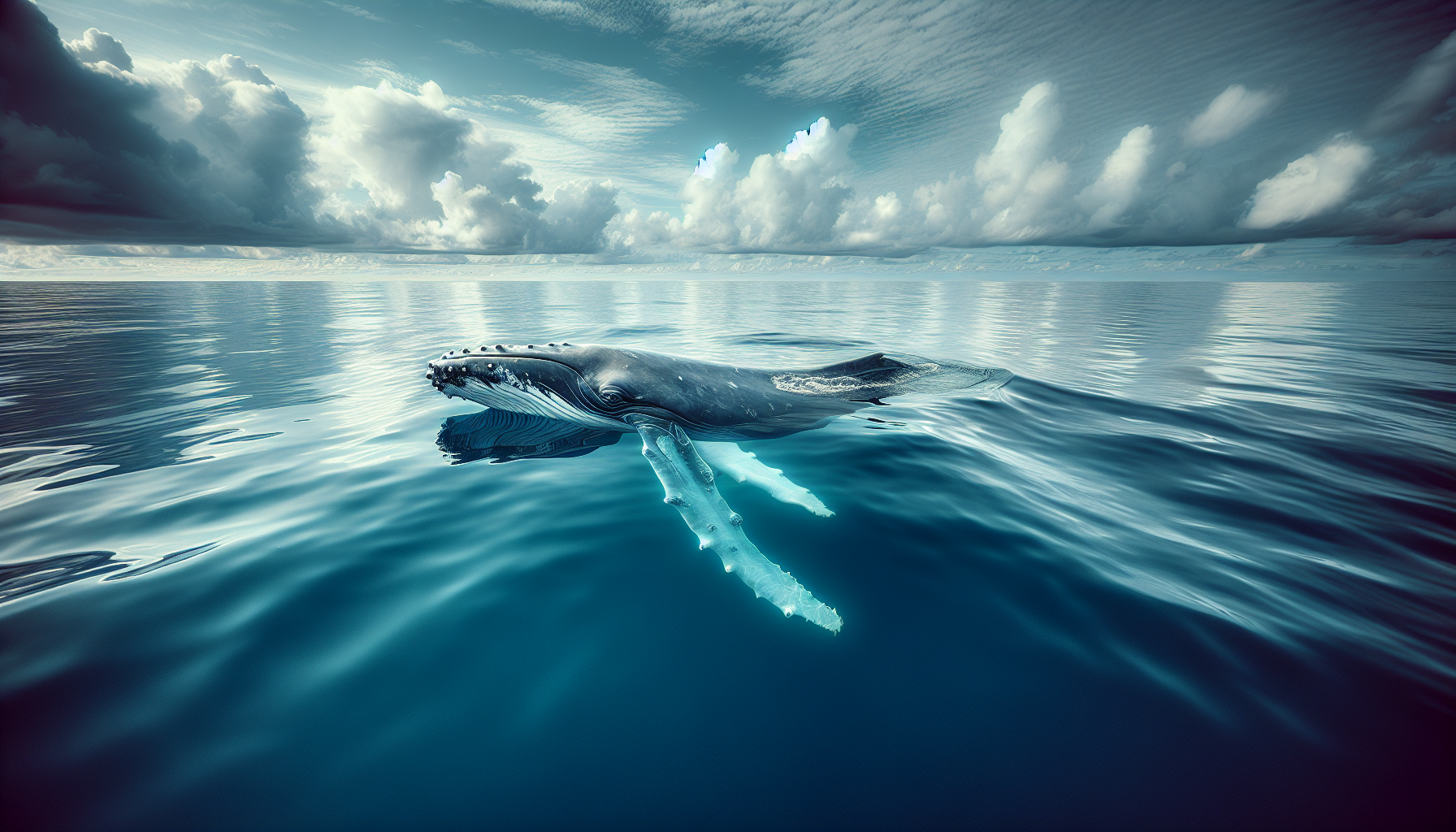
Timmy, a humpback whale calf, became the focus of widespread concern after multiple strandings along the German coastline. The repeated incidents prompted extensive media coverage and mobilized local authorities and marine experts to monitor the whale’s condition closely. Such strandings are critical events, often indicating distress or disorientation in marine mammals, which can lead to fatal outcomes if not addressed promptly. The public’s response highlighted growing awareness and empathy toward marine wildlife conservation.
In a significant development, Timmy managed to break free from the shallow waters and return to the open North Sea, a positive outcome that raised hopes for the calf’s survival. This escape is crucial as the North Sea offers a more suitable habitat for the whale, with deeper waters and abundant food sources necessary for its growth and health. Marine biologists emphasize that early intervention and continuous monitoring are vital in such cases to prevent future strandings and support the animal’s recovery.
Timmy’s story underscores the broader challenges faced by marine species in increasingly human-impacted environments, including pollution, noise, and habitat disruption. The incident has sparked discussions on improving marine rescue operations and enhancing public engagement in wildlife protection efforts. Meanwhile, Timmy’s successful return to the North Sea serves as a hopeful example of how coordinated conservation efforts can make a tangible difference in preserving vulnerable marine life.
