

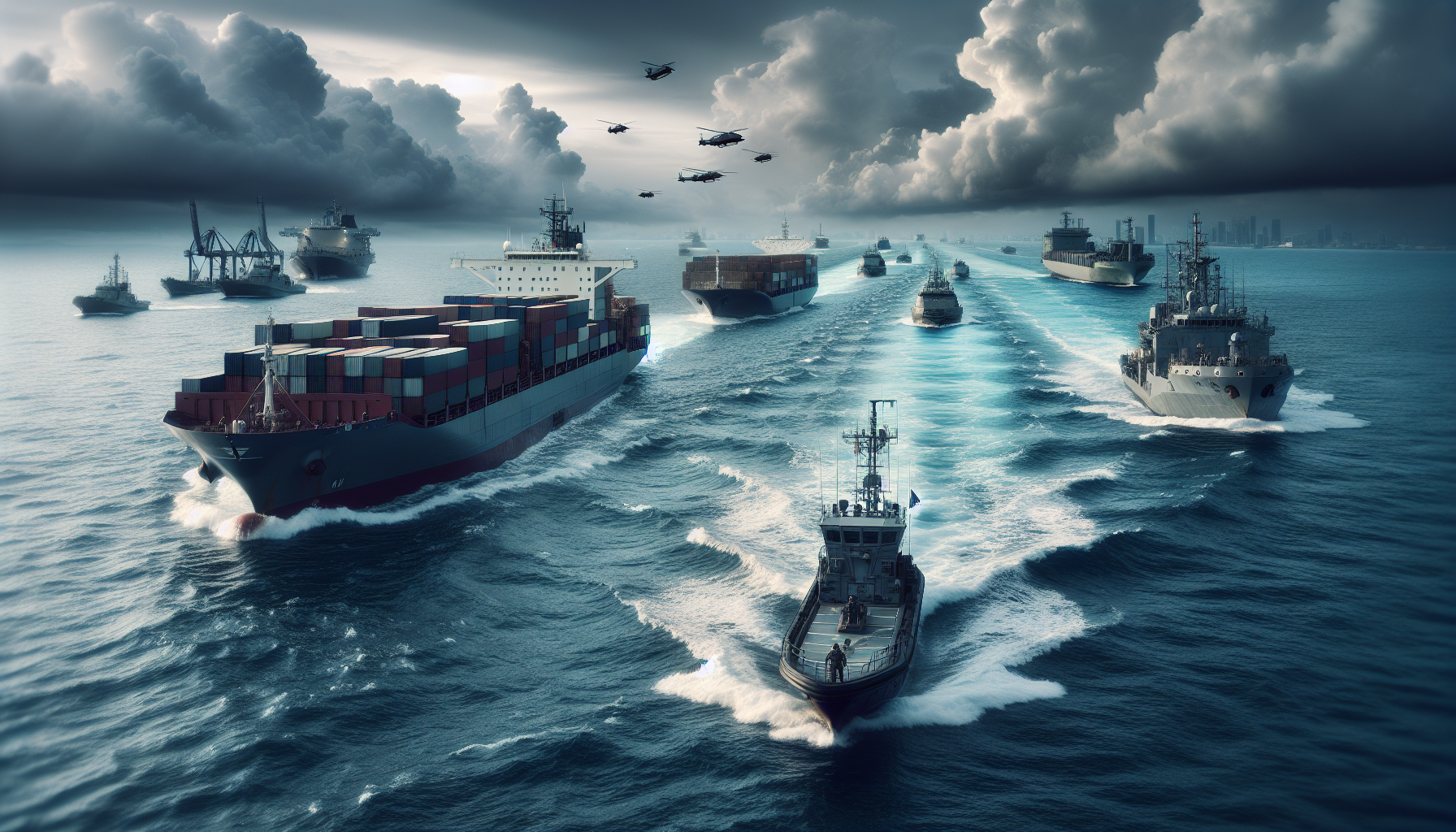
Maritime laws, designed to regulate international waters and ensure safe passage for global shipping, are increasingly under strain. The rise in armed conflicts and territorial disputes among nations is complicating the enforcement of these regulations. As countries assert control over contested maritime zones, the traditional legal frameworks struggle to adapt to the evolving geopolitical landscape.
In a significant development, these tensions have led to frequent disruptions in shipping routes, impacting global trade flows and raising concerns about maritime security. The inability of existing maritime laws to effectively address sovereignty claims and military activities at sea has exposed vulnerabilities in international governance. This situation underscores the urgent need for updated legal mechanisms that can reconcile national interests with the principles of free navigation.
Meanwhile, the economic and strategic importance of maritime routes makes resolving these legal challenges critical for global stability. The failure to secure seas under current laws risks escalating conflicts and jeopardizing the safety of commercial vessels. Strengthening international cooperation and revising maritime conventions could be pivotal steps toward safeguarding the seas and maintaining the integrity of global shipping networks.
