

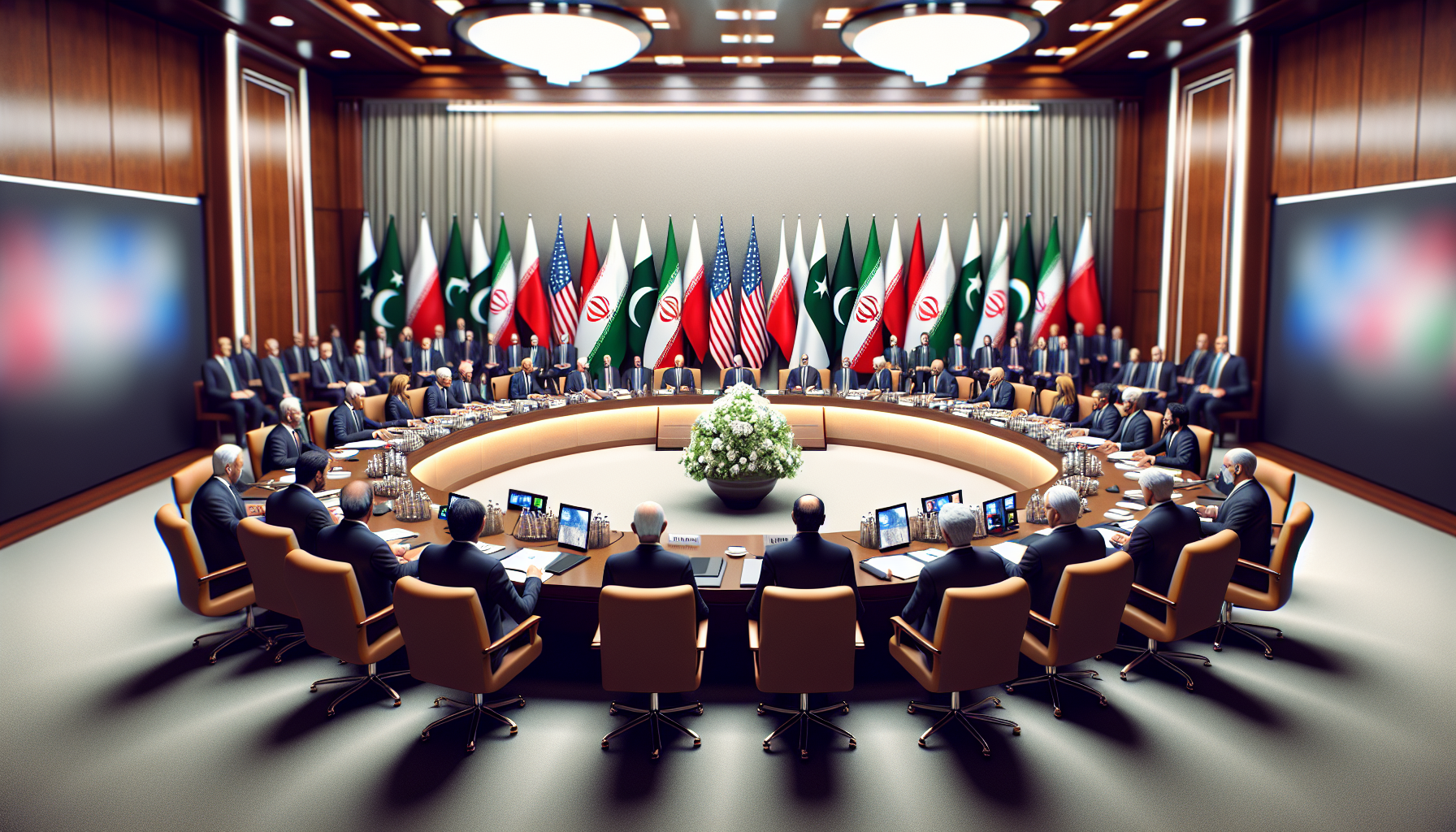
Iran has presented a revised proposal to the United States aimed at reviving stalled negotiations, demonstrating increased flexibility and readiness to resume talks in Pakistan as early as next week if Washington responds favorably. This development comes four weeks after the US and Israel halted their bombing campaign against Iran, yet no agreement has been reached to end the conflict that has severely disrupted global energy supplies.
For over two months, Iran has blocked nearly all shipping from the Gulf except its own vessels. In response, the Trump administration imposed a blockade on ships from Iranian ports last month. Meanwhile, US President Donald Trump expressed dissatisfaction with Iran’s latest proposal on Friday, without specifying which aspects he found unacceptable. “They’re asking for things that I can’t agree to,” he stated at the White House.
Washington has consistently maintained that the war will not conclude without a deal preventing Iran from ever acquiring a nuclear weapon, the primary justification Trump cited when initiating strikes in February amid nuclear talks. Iran insists its nuclear program is peaceful.
In a significant development, the new Iranian proposal reportedly offers to discuss Tehran’s conditions for reopening the Strait of Hormuz concurrently with US guarantees to cease attacks and lift the blockade on Iranian ports. This marks a departure from Iran’s previous position, which demanded the removal of the blockade and an end to the war as prerequisites for broader negotiations. The proposal also suggests that discussions on Iran’s nuclear program would occur later, in exchange for relief from US sanctions.
Iran has indicated to mediators its willingness to engage in talks in Pakistan by early next week if Washington is receptive to the new terms. Iranian state media confirmed the proposal’s submission to mediators and emphasized Tehran’s openness to diplomacy if Washington softens its rhetoric. The Iranian Foreign Ministry has not yet commented, while the White House declined to disclose details of the proposal. A White House spokeswoman reiterated that private diplomatic talks are not detailed publicly and reaffirmed President Trump’s stance that Iran must never possess a nuclear weapon, with negotiations ongoing to safeguard US national security.
This latest move follows weeks of deadlock after Iran refused to participate in a planned second round of talks in Pakistan, with both sides escalating economic pressures in the region. US officials revealed that President Trump has directed aides to prepare for a prolonged blockade, as the standoff continues to affect Iran’s trade and sustain elevated global oil prices.
Despite the revised proposal, Iran remains unwilling to make significant concessions on its nuclear program. Previously, Tehran insisted that nuclear discussions would only commence after resolving issues related to the Strait of Hormuz and the ongoing conflict. Conversely, Washington continues to demand that Iran suspend uranium enrichment for up to 20 years and relinquish its stockpile of highly enriched material, demands Tehran has resisted.
Amid ongoing tensions, indirect communication persists through intermediaries including Pakistan, Qatar, Egypt, and Turkey. While neither side has ruled out negotiations, a potential meeting in Pakistan last week did not take place after Iran failed to confirm participation, leading the US to withhold sending senior officials. During this period, Iranian Foreign Minister Abbas Araghchi visited Islamabad twice.
