

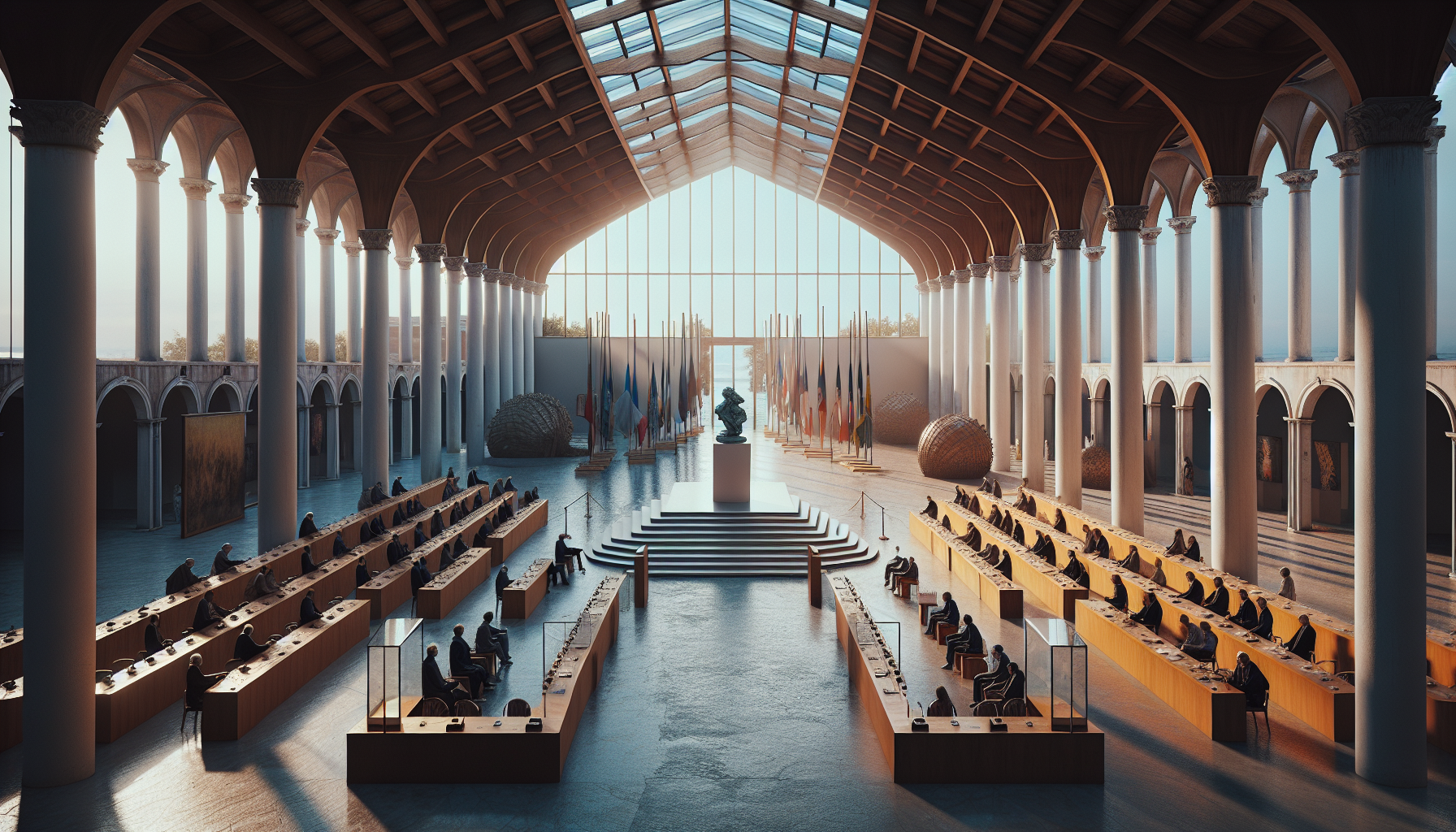
The jury of the Venice Biennale has collectively stepped down in opposition to the inclusion of Russia and Israel in the prestigious art exhibition. This unprecedented move reflects deep divisions within the global art world regarding geopolitical conflicts and cultural representation. The Venice Biennale, established in 1895, is one of the most influential contemporary art events, drawing artists and audiences worldwide. Its decisions often resonate beyond art, intersecting with international politics and social issues.
In a significant development, the jury’s resignation underscores the growing impact of political disputes on cultural platforms. Russia’s ongoing conflict and Israel’s contested policies have sparked widespread debate, influencing participation in global events. The Biennale’s stance on these countries’ involvement has become a focal point for broader discussions about artistic freedom, censorship, and ethical responsibilities in the arts. This incident may prompt reconsideration of how international exhibitions navigate political sensitivities.
Meanwhile, the withdrawal of the jury raises questions about the future direction of the Venice Biennale and its ability to maintain neutrality amid geopolitical tensions. The event’s organizers face pressure to address the concerns raised by the jury while preserving the Biennale’s reputation as a space for diverse artistic expression. This controversy highlights the challenges cultural institutions face in balancing inclusivity with political accountability, potentially influencing similar events worldwide.
