

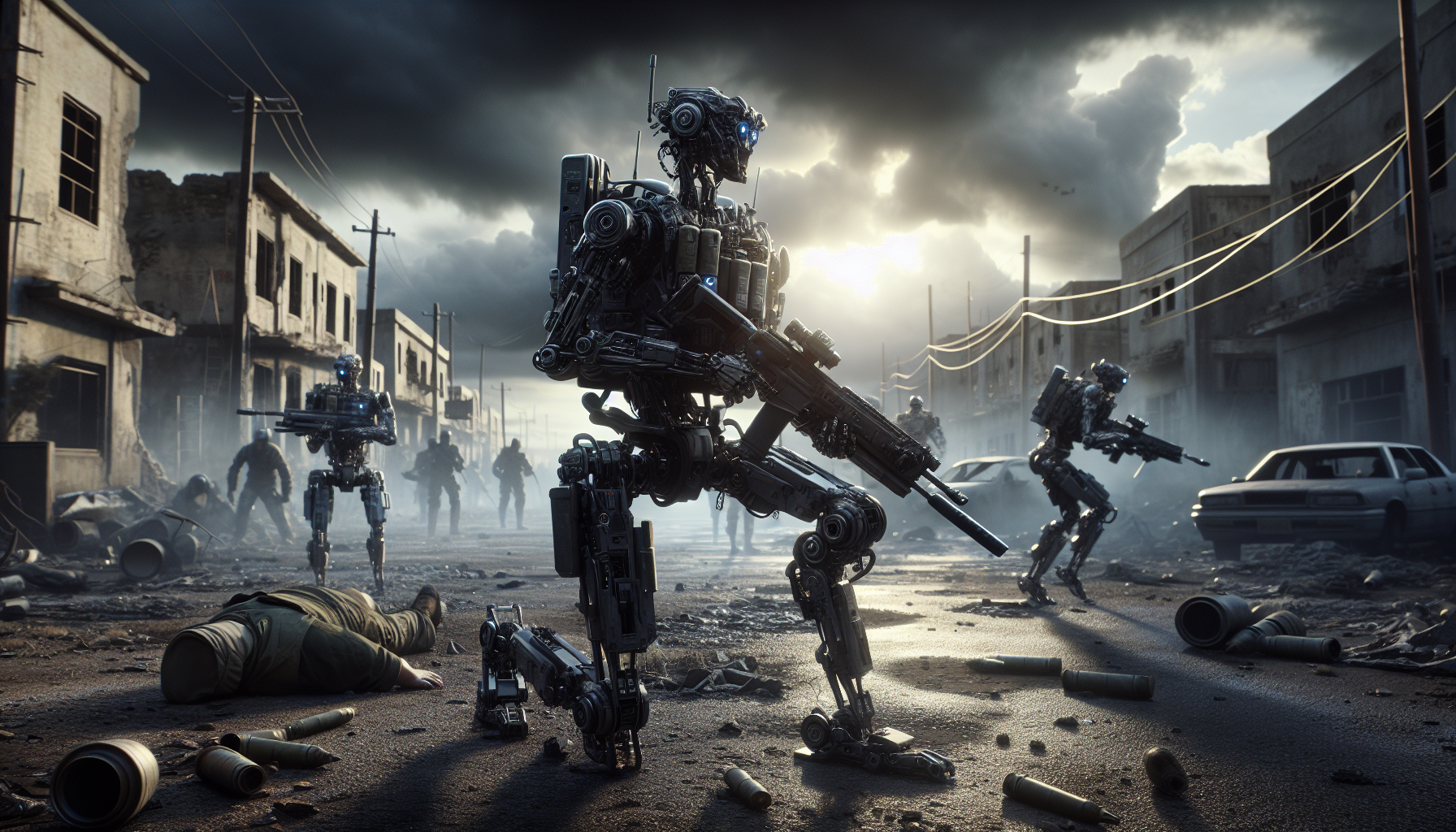
Ukraine’s use of robot soldiers equipped with artificial intelligence represents a significant advancement in modern warfare technology. While remote-controlled weapons have been part of military arsenals for years, the integration of AI now allows these machines to make autonomous decisions on the battlefield. This development could drastically alter combat dynamics by reducing human involvement in direct conflict and increasing operational efficiency.
In a broader context, the emergence of AI-powered robotic soldiers raises important ethical and strategic questions about the future of armed conflict. Militaries worldwide are closely monitoring these innovations, as they could redefine rules of engagement and the nature of warfare itself. The ability of machines to independently assess threats and respond in real time may enhance battlefield responsiveness but also introduces risks related to accountability and control.
Notably, Ukraine’s pioneering efforts highlight the growing role of technology in national defense amid ongoing geopolitical tensions. The deployment of such systems could influence military doctrines globally, prompting other nations to accelerate their own AI weapon programs. As autonomous combat systems evolve, their impact on warfare strategy, international security, and arms regulation will become increasingly profound.
