

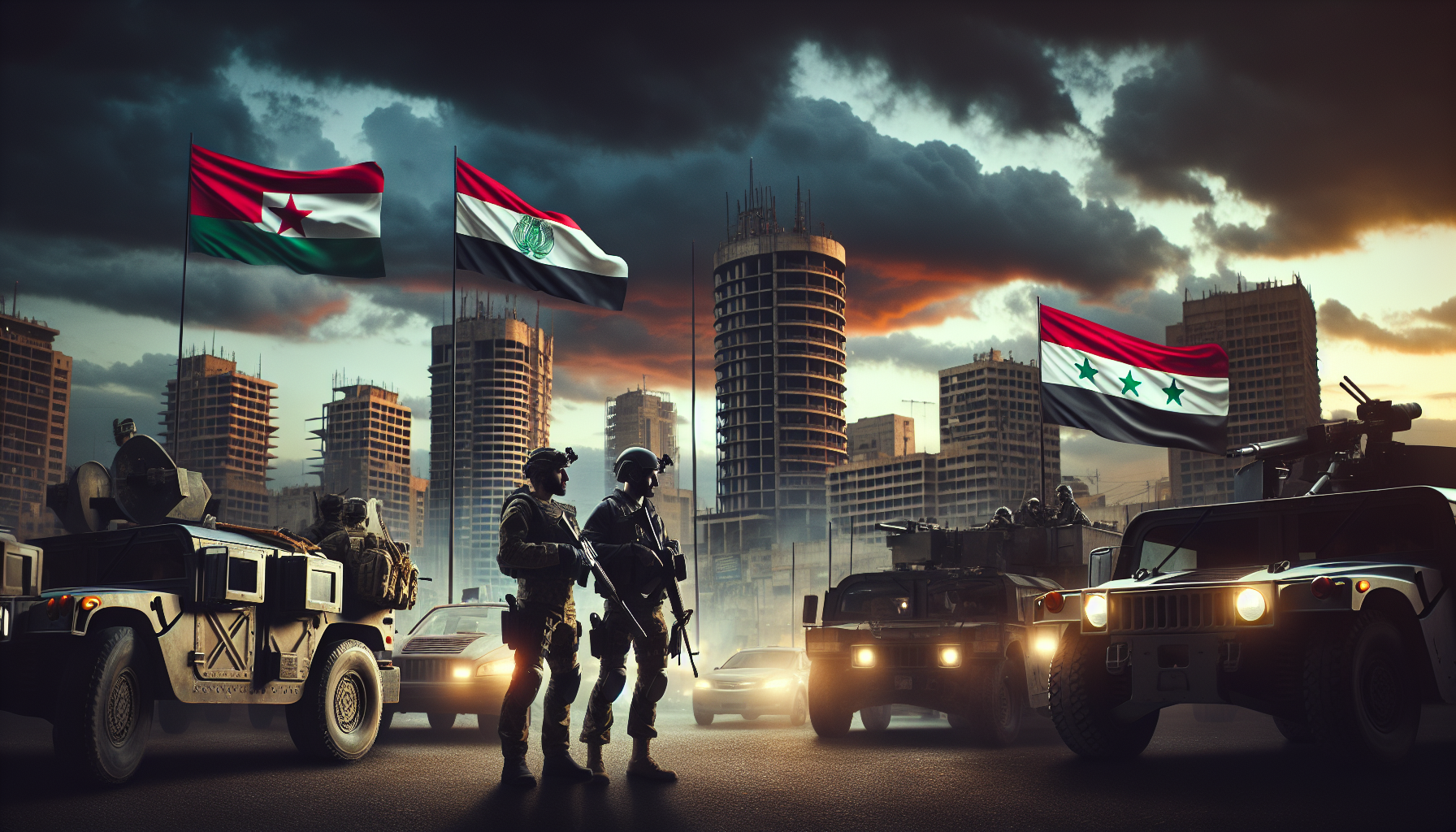
As the conflict between Iran and the United States enters its 63rd day, tensions continue to escalate with no immediate resolution in sight. Iran’s president has publicly denounced the ongoing US siege, describing it as ‘intolerable’ and emphasizing the severe impact on the Iranian population and regional stability. This rhetoric underscores Tehran’s firm stance against what it perceives as aggressive US policies aimed at undermining its sovereignty.
Meanwhile, former US President Donald Trump has indicated that military action against Iran could be renewed, signaling a possible intensification of the conflict. His remarks have raised concerns among international observers about the potential for a broader confrontation in the Middle East, which could have far-reaching geopolitical consequences. The prospect of resumed hostilities adds urgency to diplomatic efforts aimed at de-escalation.
In a significant development, the ongoing standoff highlights the fragile nature of US-Iran relations and the challenges faced by global powers in managing regional conflicts. The situation remains volatile, with both sides maintaining firm positions that complicate peace initiatives. The international community continues to watch closely, aware that any escalation could disrupt global energy markets and exacerbate regional instability.
