

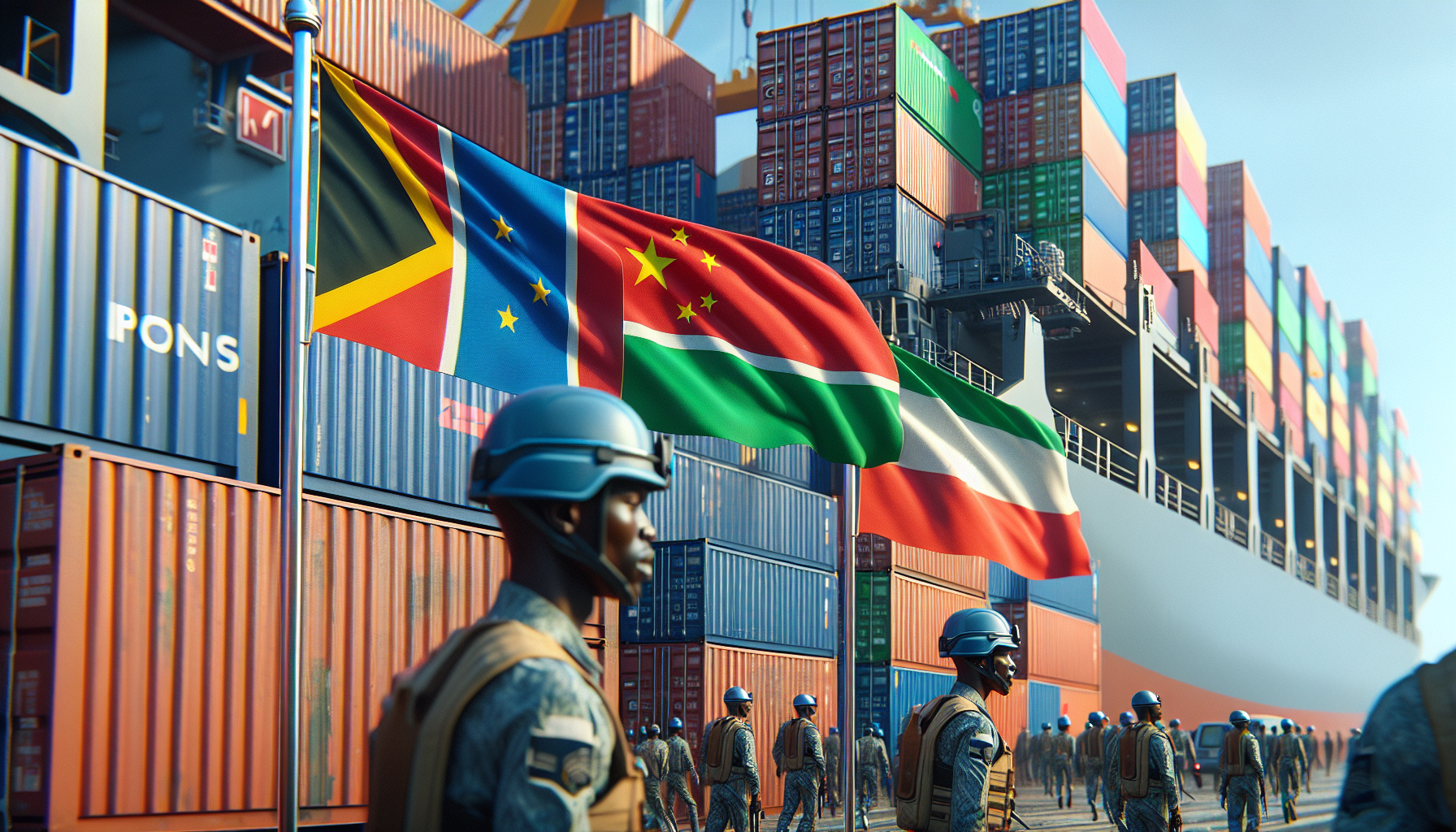
In a significant development, China has abolished import tariffs on goods from every African country except one, marking a major step in strengthening economic relations between China and the African continent. This zero-tariff policy is expected to facilitate increased trade flows, reduce costs for African exporters, and deepen China’s influence in the region. The move aligns with China’s broader strategy to expand its soft power and economic footprint in Africa, where it has invested heavily in infrastructure and development projects over recent years.
Meanwhile, analysts caution that while the tariff removal could boost trade volumes, the benefits may not be evenly distributed among African nations. Some countries might experience greater gains due to their export profiles aligning more closely with Chinese demand, while others could face challenges competing in the Chinese market. The exclusion of one African nation from this tariff relief also raises questions about the criteria used and the potential diplomatic implications for that country.
Notably, this policy shift comes amid growing global competition for influence in Africa, with Western countries and other emerging economies also seeking stronger ties. China’s zero-tariff regime could enhance its position as a key trade partner and development ally, potentially reshaping economic dynamics on the continent. The long-term impact will depend on how African countries leverage this opportunity to diversify their exports and strengthen their economic resilience.
