

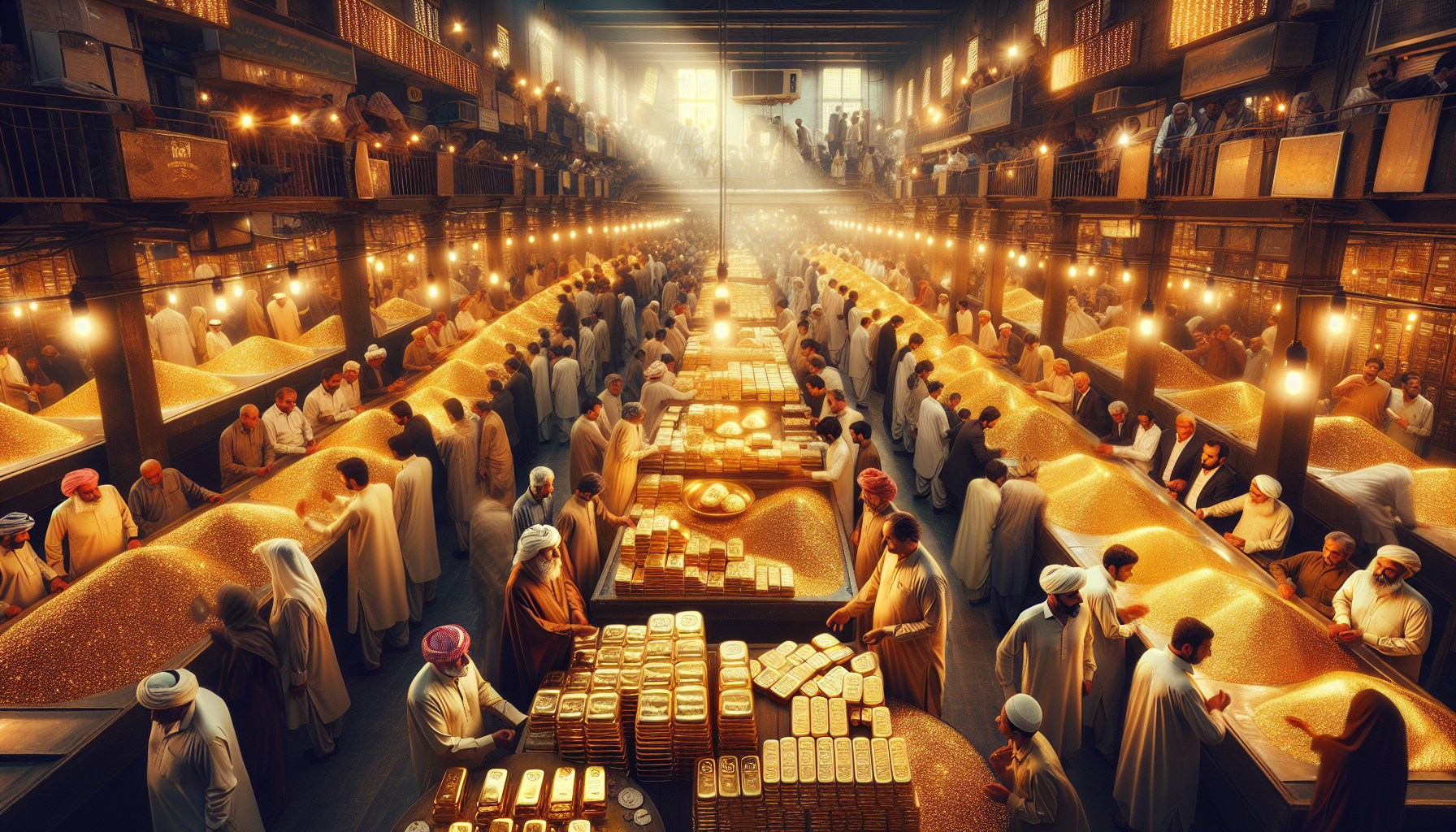
On April 30, 2026, gold prices in Pakistan experienced a notable increase, signaling shifts in both domestic and international economic conditions. This rise comes amid ongoing global market fluctuations and heightened demand for safe-haven assets. Investors often turn to gold during periods of uncertainty, which can drive prices upward. The surge reflects broader concerns about inflation and currency stability affecting the region.
Historically, gold has been a critical asset in Pakistan’s financial landscape, serving as a hedge against inflation and currency depreciation. The recent price increase may impact various sectors, including jewelry markets and investment portfolios. Additionally, fluctuations in gold prices can influence import costs and trade balances, given Pakistan’s reliance on gold imports. This development is significant for traders, consumers, and policymakers monitoring economic stability.
Meanwhile, the global gold market continues to be influenced by geopolitical tensions, central bank policies, and shifts in currency values, all of which resonate within Pakistan’s economy. The price movement on April 30 highlights the interconnectedness of local and international financial systems. As gold prices rise, stakeholders must consider the implications for inflation control and economic planning in Pakistan’s evolving market environment.
