

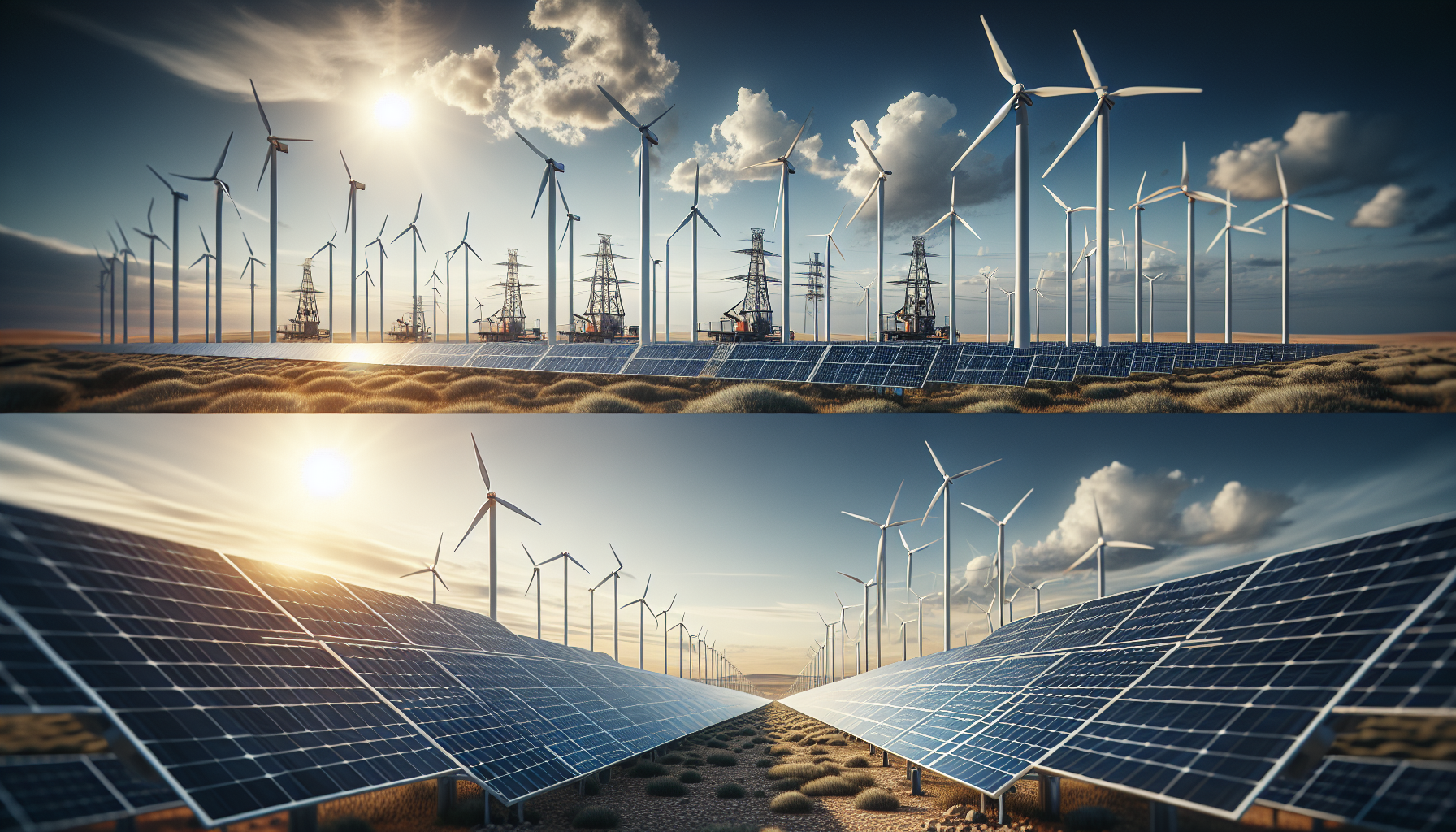
The recent oil crisis has sparked renewed urgency among policymakers and environmental advocates to accelerate the global shift toward clean energy. Rising oil prices and supply disruptions have exposed vulnerabilities in dependence on fossil fuels, prompting calls for diversification of energy sources. This situation underscores the critical need to invest in renewable technologies such as solar, wind, and hydroelectric power to reduce carbon emissions and enhance energy resilience.
In a significant development, governments worldwide are reconsidering their energy strategies to prioritize sustainability and long-term stability. The crisis has highlighted the geopolitical risks associated with oil dependency, encouraging international cooperation on clean energy initiatives. Experts emphasize that a faster transition could mitigate future economic shocks and contribute to global climate goals outlined in agreements like the Paris Accord.
Meanwhile, the energy sector is witnessing increased innovation and funding directed toward green technologies, reflecting a broader commitment to environmental responsibility. The oil crisis serves as a catalyst for change, pushing industries and consumers alike to embrace cleaner alternatives. Ultimately, this shift aims to create a more sustainable and secure energy future, reducing the environmental impact and enhancing global economic stability.
