

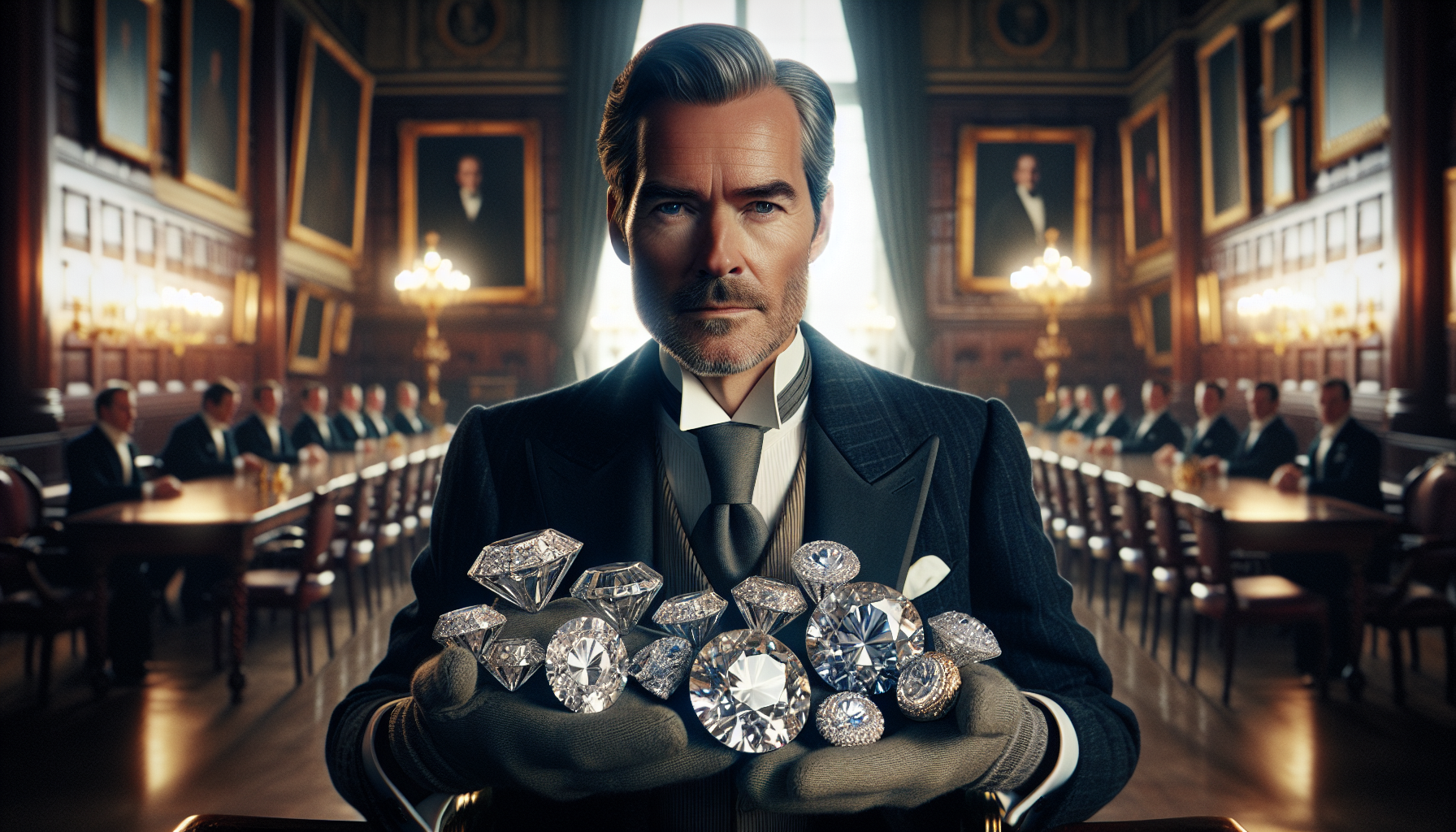
In a significant development, Mamdani has publicly called on King Charles to return the Koh-i-Noor diamond, a gem with a complex and contested history. The diamond, which is currently part of the British Crown Jewels, has long been a symbol of colonial acquisition and remains a subject of diplomatic and cultural debate. Mamdani’s appeal underscores the growing calls for restitution of artifacts taken during the colonial era, emphasizing the importance of acknowledging historical injustices.
The Koh-i-Noor diamond, originally mined in India, has changed hands multiple times over centuries and was acquired by the British during the 19th century. Its presence in the British monarchy’s collection has been a point of contention, with several countries demanding its return as a gesture of reconciliation and respect for cultural heritage. Mamdani’s statement adds to the international discourse on the repatriation of cultural treasures and the legacy of imperialism.
Meanwhile, the call to return the Koh-i-Noor diamond resonates with broader movements advocating for the decolonization of museums and the restitution of stolen artifacts worldwide. The issue raises complex questions about ownership, historical accountability, and the role of cultural diplomacy in healing past wounds. Mamdani’s appeal to King Charles thus represents not only a demand for the diamond’s return but also a push towards greater recognition of historical grievances and cultural justice.
