

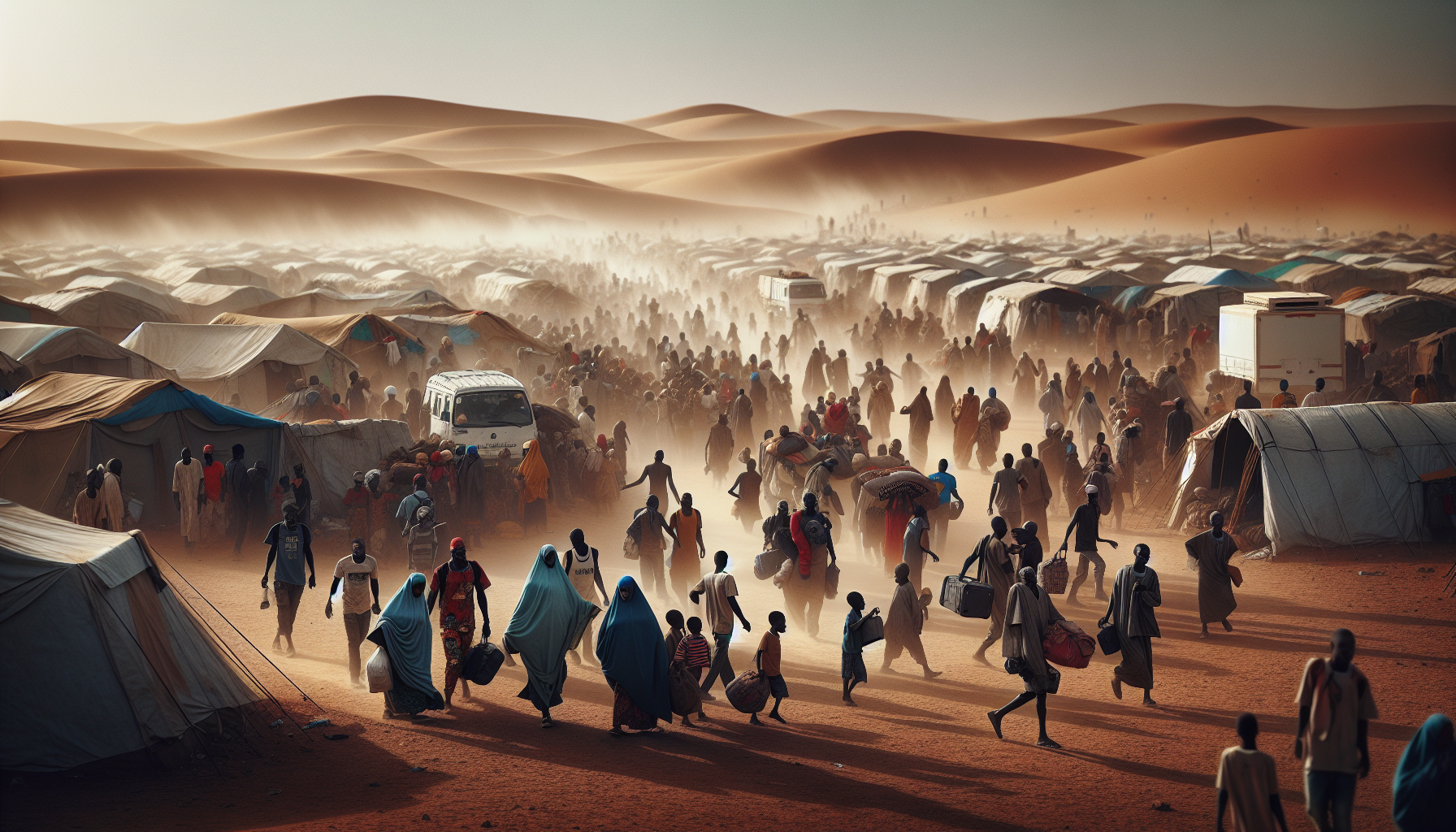
In recent months, Mali has witnessed a surge in violence that has forced thousands of its citizens to abandon their homes. Various armed factions, alongside military forces, have been involved in aggressive operations that have devastated communities across the country. These attacks have resulted in widespread fear and displacement, with many refugees recounting harrowing experiences of brutality and loss. The ongoing conflict has severely disrupted daily life and access to basic necessities for countless families.
The complex security situation in Mali stems from longstanding ethnic tensions, jihadist insurgencies, and political instability that have plagued the Sahel region. The involvement of multiple armed groups and the national army has complicated efforts to restore peace and protect civilians. Meanwhile, humanitarian agencies face significant challenges in delivering aid amid the insecurity, exacerbating the plight of displaced populations. The international community has expressed concern over the deteriorating conditions and the urgent need for coordinated responses.
Notably, the mass displacement has strained neighboring countries, which are receiving large numbers of refugees seeking safety. This regional impact highlights the broader implications of Mali’s conflict for West Africa’s stability. Efforts to negotiate ceasefires and promote dialogue remain critical to halting the violence and enabling displaced persons to return home. Until sustainable peace is achieved, the humanitarian crisis is expected to deepen, underscoring the urgent need for comprehensive conflict resolution strategies.
