

As the conflict involving Iran reaches its 61st day, significant geopolitical shifts are unfolding in the Gulf region. The United Arab Emirates has officially withdrawn from the Organization of the Petroleum Exporting Countries (OPEC), marking a notable change in the bloc’s dynamics. This move comes amid heightened tensions and economic pressures linked to the ongoing conflict and energy market fluctuations.
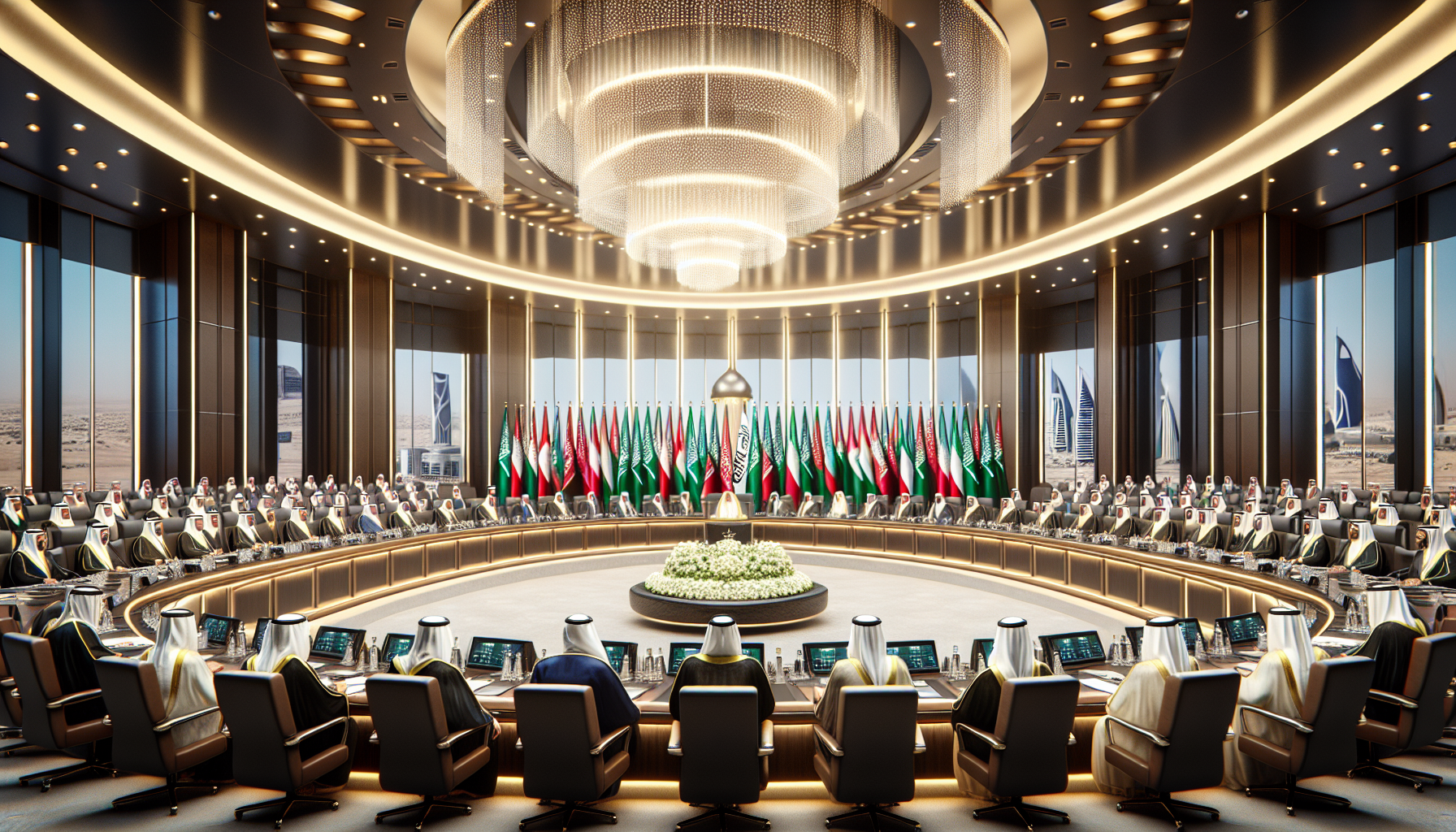
Meanwhile, Gulf Cooperation Council leaders have gathered in Saudi Arabia for a critical summit aimed at addressing regional security and economic stability. The meeting underscores the urgency felt by Gulf states to coordinate their responses to the evolving situation surrounding Iran and its broader impact on the Middle East. Energy policy and diplomatic strategies are expected to dominate discussions during this high-profile assembly.
In a significant development, former US President Donald Trump declared that Iran is currently experiencing a ‘state of collapse,’ reflecting the intense political and economic challenges facing the country. His statement highlights the international dimension of the crisis and the global attention focused on Iran’s internal and external struggles. The combination of regional diplomatic efforts and international commentary signals a pivotal moment in the ongoing conflict.
