

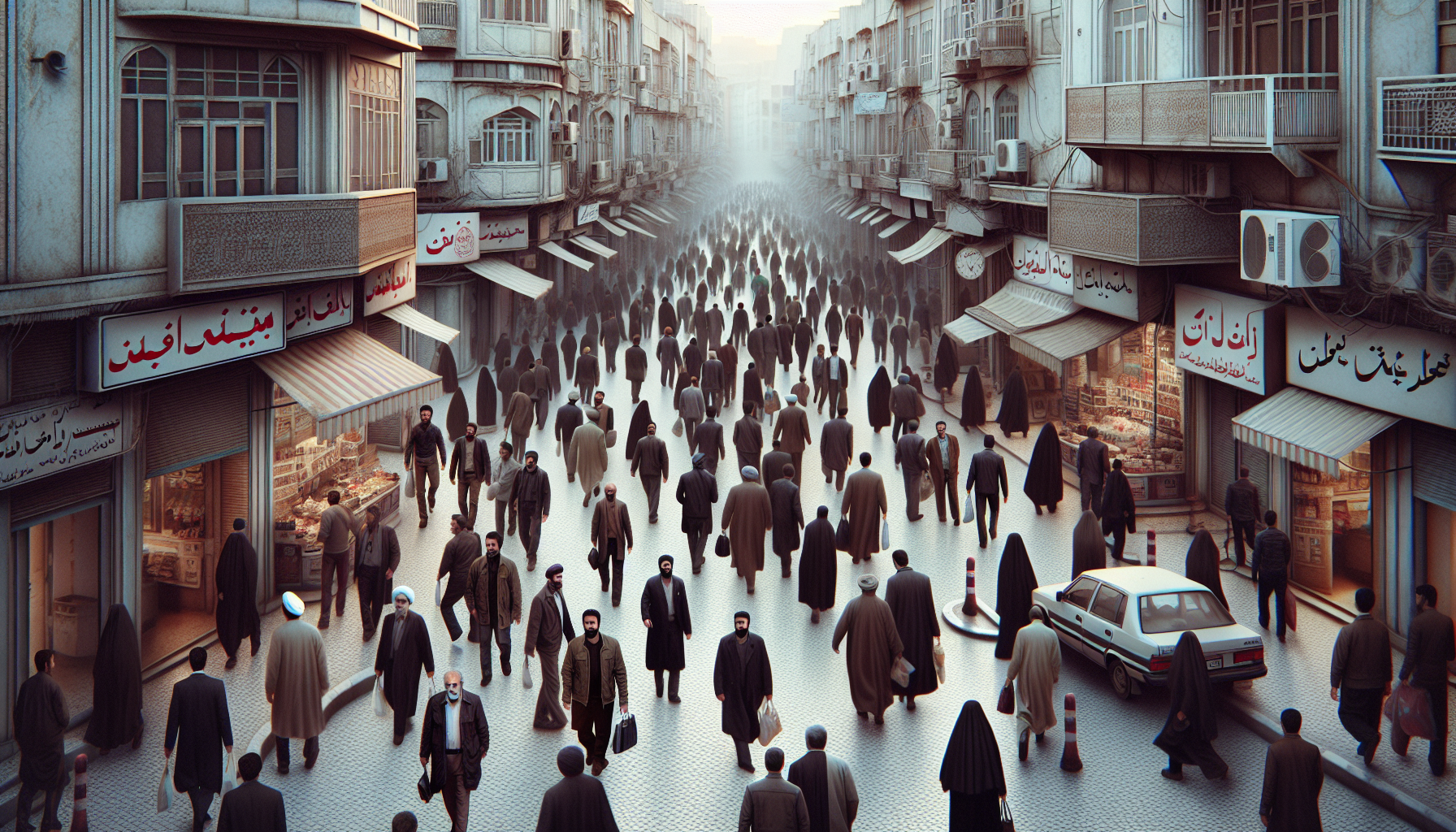
In Tehran, the capital of Iran, citizens are experiencing a precarious state described as ‘no war, no peace,’ reflecting ongoing geopolitical tensions that have yet to escalate into open conflict but continue to cast a shadow over daily life. This uneasy truce has created an atmosphere of uncertainty, where the threat of renewed hostilities lingers alongside diplomatic stalemates. The political environment remains volatile, impacting both domestic stability and international relations.
Meanwhile, the economic situation in Tehran exacerbates the challenges faced by its residents. Sanctions, inflation, and limited access to global markets have contributed to widespread financial hardship, affecting employment, purchasing power, and overall quality of life. Many families struggle to meet basic needs, while businesses face operational difficulties in an unpredictable economic climate. This economic fragility underscores the broader impact of the geopolitical deadlock on ordinary Iranians.
In a significant development, the combination of political tension and economic instability has led to a pervasive sense of limbo among Tehran’s population. The lack of clear resolution or progress towards peace leaves many uncertain about the future, influencing social dynamics and public morale. This state of suspended conflict not only affects Iran’s internal cohesion but also shapes its interactions on the global stage, highlighting the urgent need for diplomatic solutions to restore stability and economic growth.
