

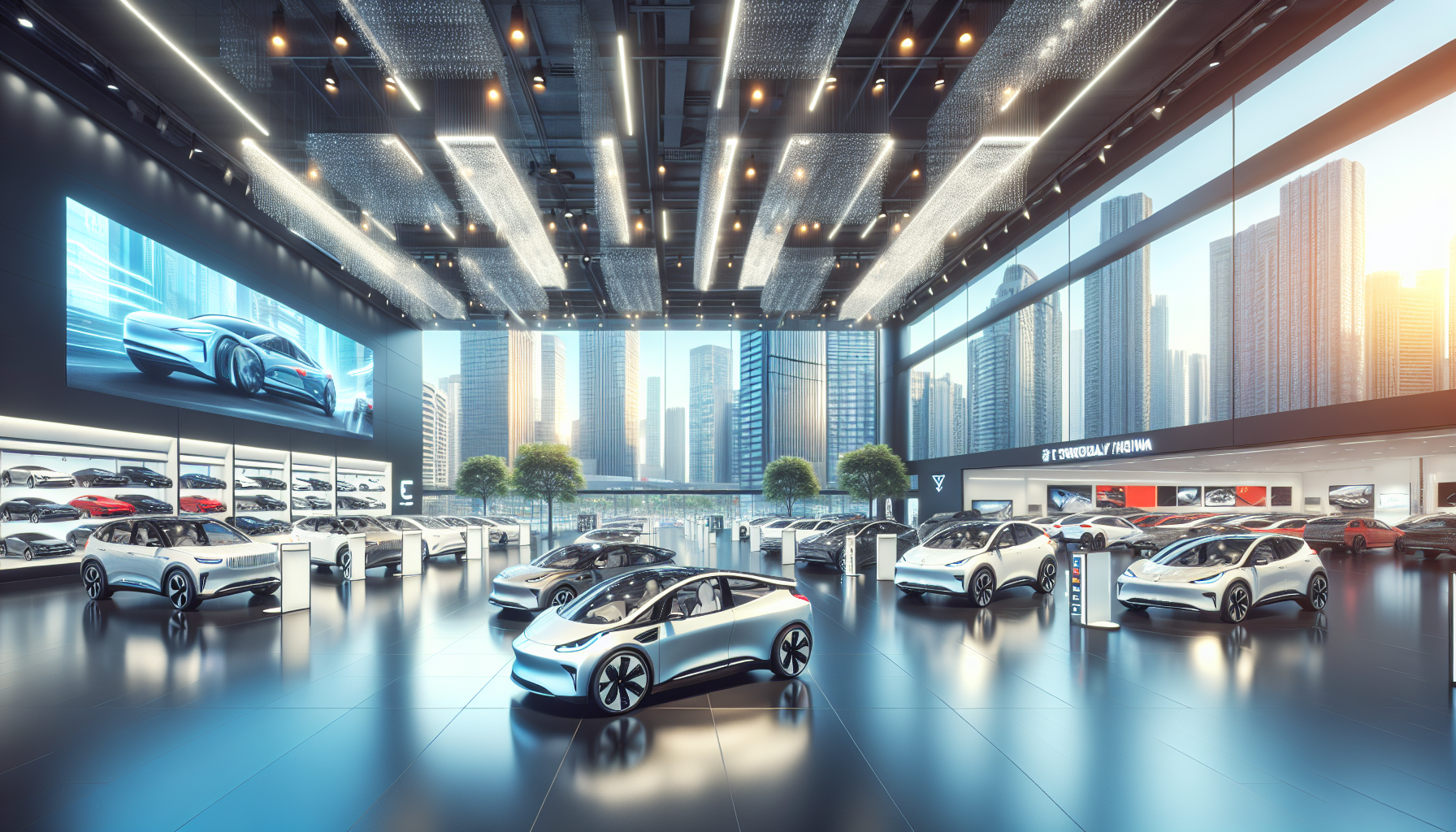
The average price of a new vehicle in the United States is notably higher than in China, where consumers can purchase up to five electric vehicles for the same amount. This stark contrast underscores the rapid growth and competitive pricing of China’s electric vehicle industry, driven by government incentives and advances in battery technology. Meanwhile, the US market continues to face higher production and labor costs, which contribute to the elevated prices of conventional and electric cars alike.
China’s aggressive push toward electric mobility has positioned it as the world’s largest EV market, supported by extensive infrastructure development and domestic manufacturing capabilities. The affordability of Chinese electric vehicles is a significant factor in accelerating adoption rates, both domestically and internationally. In contrast, American consumers often encounter higher sticker prices, which can slow the transition to cleaner transportation options.
This price disparity has broader implications for the global automotive industry, influencing consumer preferences, trade dynamics, and environmental policies. As electric vehicles become more accessible in China, the country is set to strengthen its leadership in sustainable transportation. Meanwhile, US manufacturers and policymakers face increasing pressure to reduce costs and enhance competitiveness in the evolving global market.
