

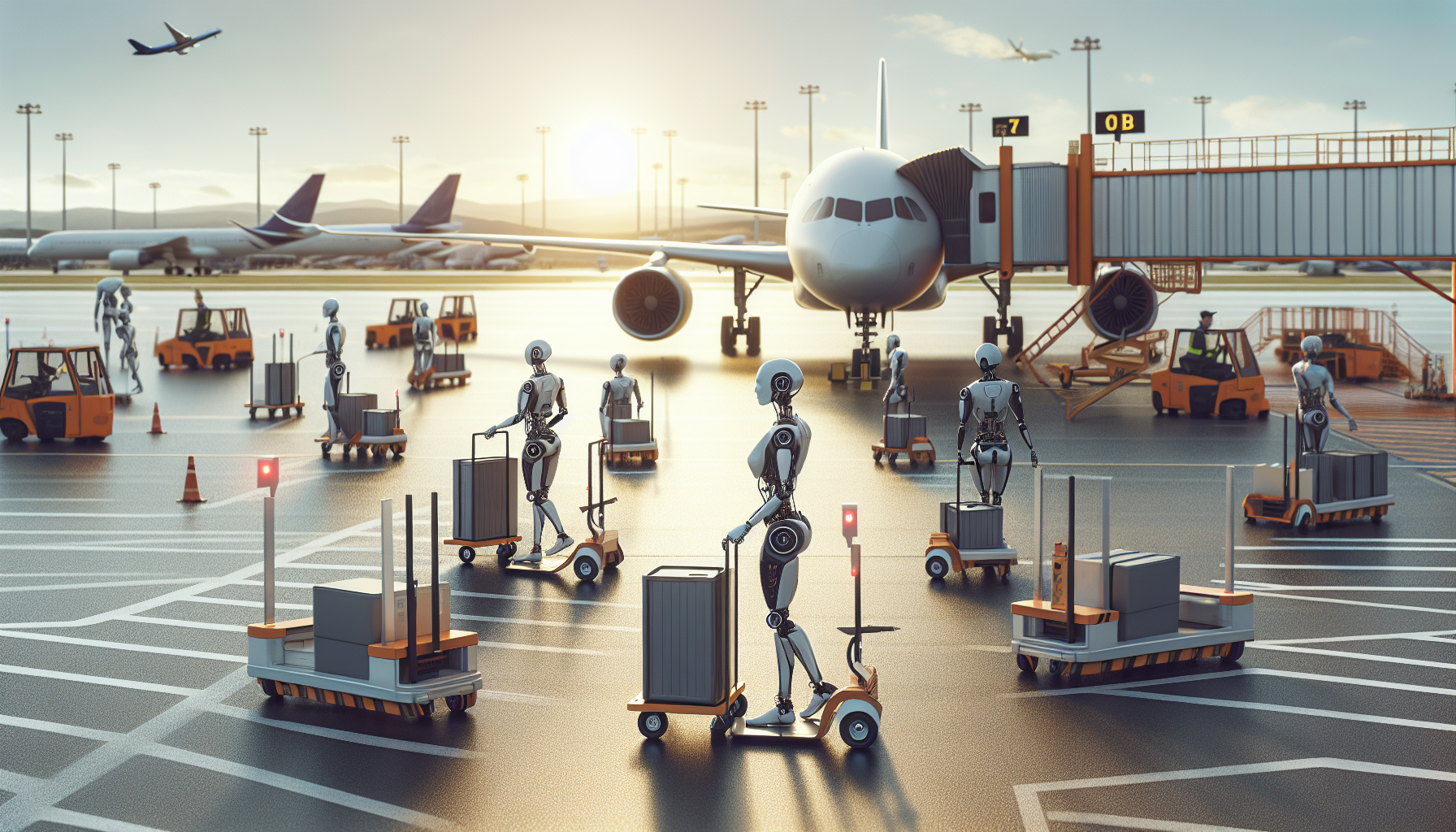
Japan Airlines has initiated trials involving humanoid robots designed to support ground handling operations. These robots are being tested for tasks such as cleaning aircraft cabins and managing ground support equipment, which are critical to airline turnaround times. The integration of robotic technology in these roles represents a significant step towards automating labor-intensive processes within the aviation industry.
In a significant development for airline operations, the use of humanoid robots could improve operational efficiency and reduce reliance on human labor for repetitive and physically demanding tasks. This move aligns with broader trends in the aviation sector, where automation and robotics are increasingly deployed to enhance safety, precision, and cost-effectiveness. Japan Airlines’ initiative reflects a growing interest among carriers worldwide to leverage advanced technology to streamline ground services.
Meanwhile, the successful implementation of such robots could set a precedent for other airlines to adopt similar technologies, potentially transforming ground handling standards globally. The trial also highlights the evolving role of robotics in service industries, where human-robot collaboration is becoming more common. As these robots develop greater capabilities, they may become integral to airport operations, improving turnaround times and passenger experience.
