

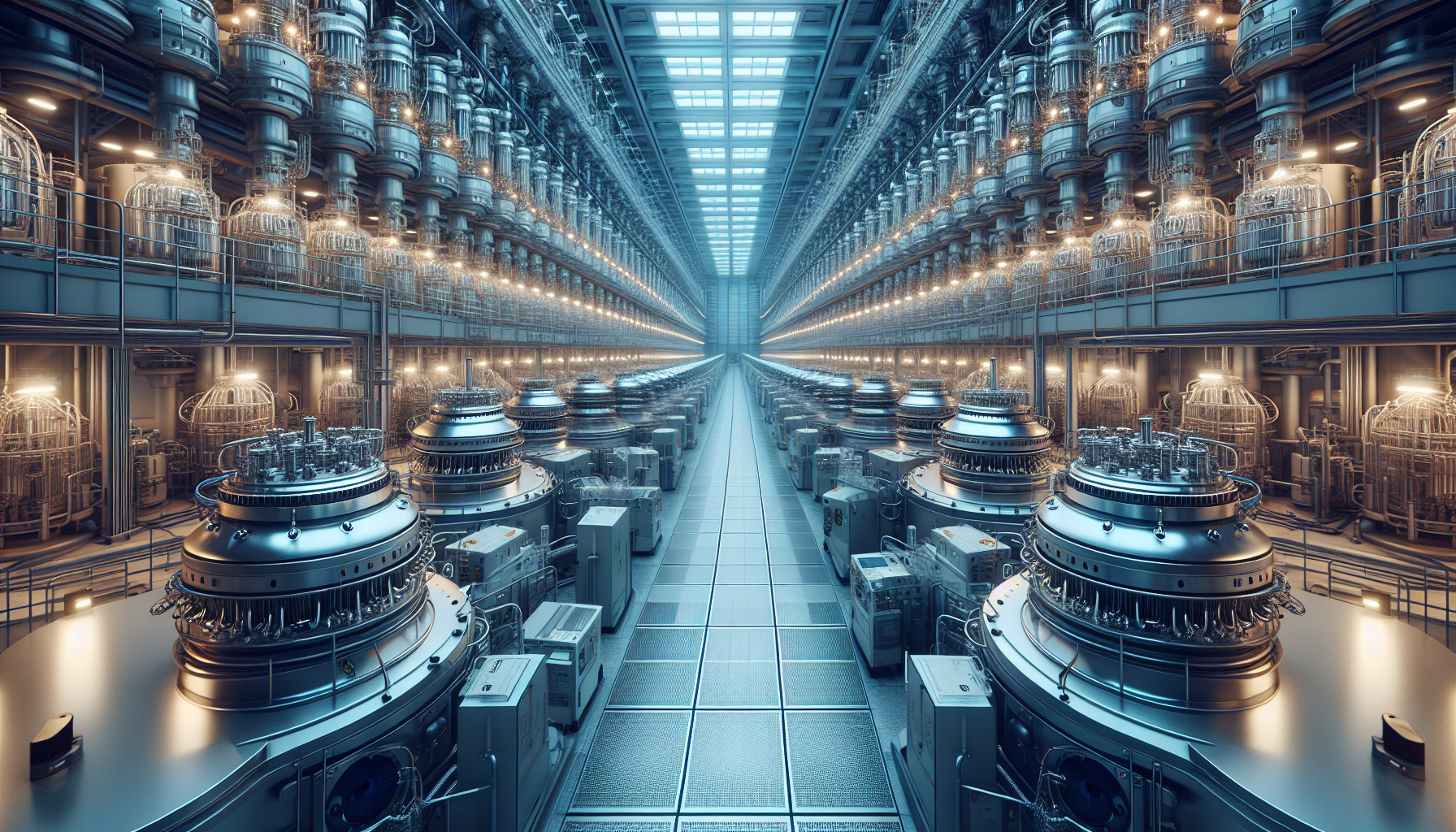
Uranium enrichment is a sophisticated procedure that increases the proportion of uranium-235 isotope within natural uranium. This process is essential because natural uranium contains only about 0.7% uranium-235, which is insufficient for most nuclear reactors and weapons. By enriching uranium, the concentration of uranium-235 can be raised to levels suitable for energy generation or military use. The technology behind enrichment involves separating isotopes based on their mass differences, typically using gas centrifuges or gaseous diffusion methods.
In a significant development, uranium enrichment has become a focal point in global nuclear policy due to its dual-use nature. While it enables the production of fuel for nuclear power plants, it also poses proliferation risks if diverted for weaponization. Countries with enrichment capabilities are often subject to international scrutiny and regulatory frameworks, such as those enforced by the International Atomic Energy Agency (IAEA). The balance between peaceful use and security concerns makes uranium enrichment a critical issue in international relations and non-proliferation efforts.
Meanwhile, advancements in enrichment technology continue to impact the nuclear industry by improving efficiency and reducing costs. Innovations such as laser enrichment and advanced centrifuge designs promise to enhance uranium processing capabilities. However, these developments also raise concerns about the potential for increased proliferation risks. Understanding the enrichment process is vital for policymakers, scientists, and the public to navigate the challenges and opportunities presented by nuclear technology in the modern world.
