

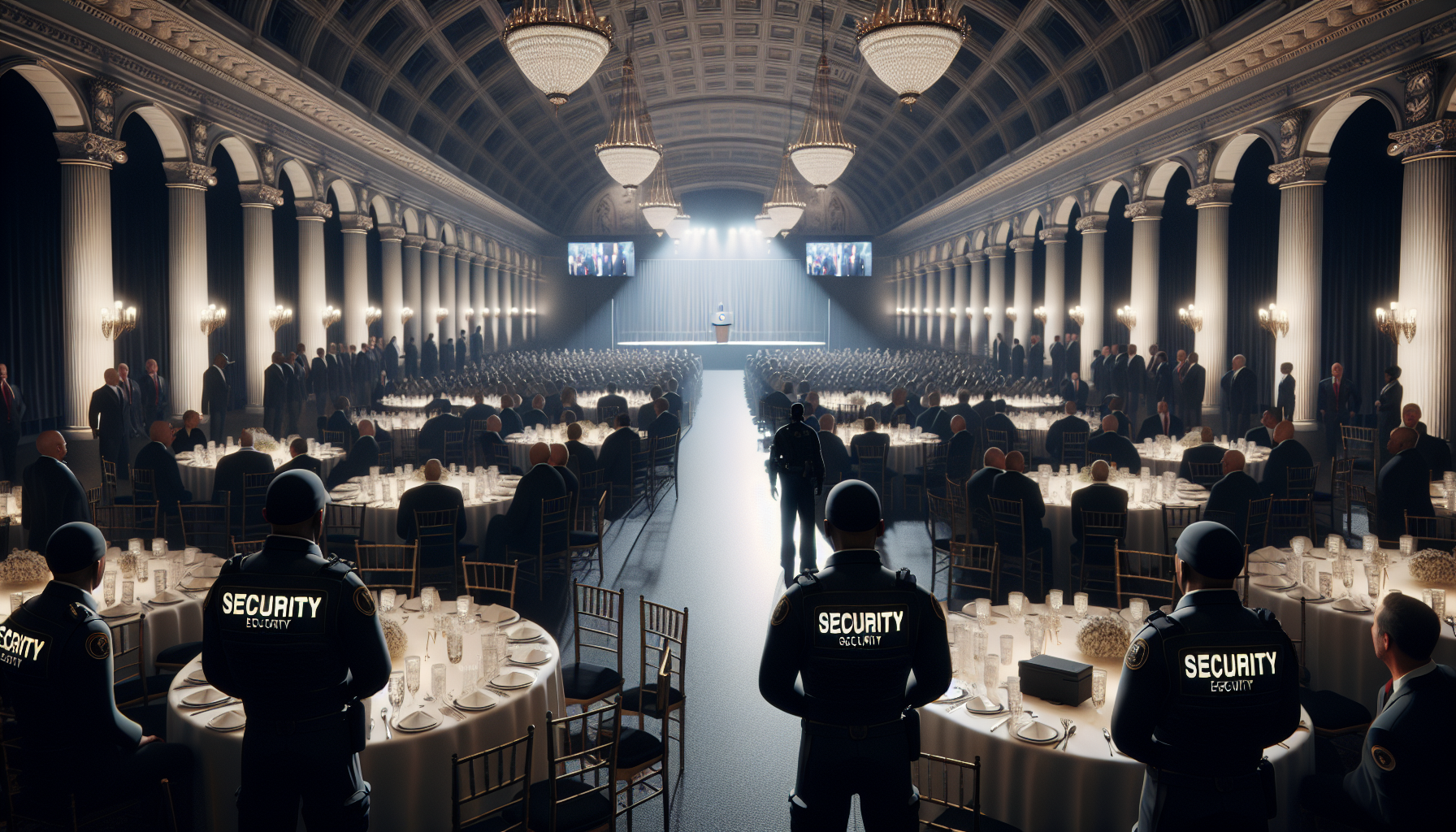
A 31-year-old man from California has been formally charged with attempting to assassinate former President Donald Trump during a dinner event in Washington, D.C. Authorities revealed that the suspect intended to target multiple high-ranking government officials present at the gathering. This incident has raised significant concerns about security measures at political events involving prominent figures. The investigation is ongoing as officials work to uncover the full extent of the suspect’s plans and any potential accomplices.
In a significant development, law enforcement agencies have emphasized the seriousness of the threat posed by the accused individual. The suspect’s motive appears to be aimed at causing maximum harm to key political leaders, highlighting vulnerabilities in protective protocols. Meanwhile, security experts are reviewing current strategies to prevent similar attempts in the future. This case underscores the persistent risks faced by public officials in highly polarized political climates.
The attempted assassination has sparked widespread attention across the nation, prompting discussions about the safety of elected officials and the importance of intelligence sharing. Notably, this event comes amid heightened political tensions and increased threats against public figures. The outcome of the legal proceedings will likely influence future security policies and law enforcement approaches. As the case unfolds, authorities continue to prioritize the protection of government representatives and the preservation of democratic processes.
