

Federal Minister for Information and Broadcasting Attaullah Tarar stated on Sunday that one year after the Pahalgam false flag operation, India’s narrative regarding the incident has failed to secure credibility on the international stage. Speaking during a special address commemorating the anniversary, Tarar emphasized that recent developments have strengthened Pakistan’s position and cast doubt on India’s assertions about the event.
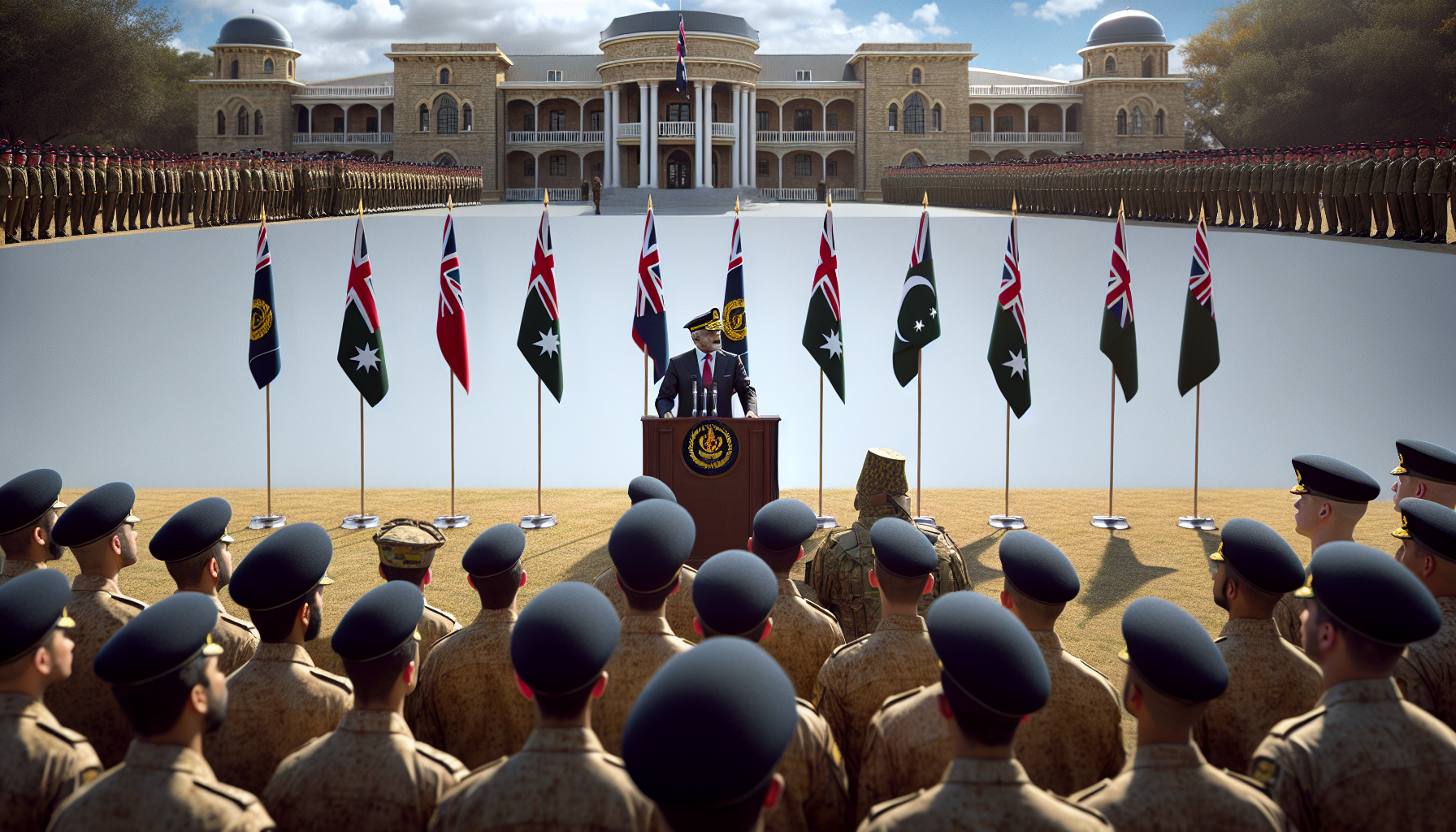
He referred to Prime Minister Shehbaz Sharif’s address at the Pakistan Military Academy (PMA) in Kakul a year ago, where the premier outlined Pakistan’s viewpoint and criticized India’s handling of the situation. The longstanding adversaries clashed in May last year following an unprovoked Indian attack on Pakistan, which was triggered by the assault on tourists in Pahalgam, Indian Illegally Occupied Jammu and Kashmir (IIOJK), that claimed 26 lives.
India had accused Islamabad of orchestrating the deadly attack without providing any evidence, a charge Pakistan denied while urging for a neutral investigation. Subsequently, India launched unlawful missile strikes inside Pakistan, resulting in the martyrdom of several civilians and security personnel. Pakistan retaliated by downing Indian fighter jets, including three Rafale aircraft, shooting down dozens of drones, and destroying an S-400 defense system. The conflict between the two nuclear-armed neighbors ended on May 10 with a ceasefire agreement brokered by the United States.
Addressing the press earlier, the information minister recalled that Prime Minister Sharif, during his speech to cadets at PMA Kakul on April 26, 2025, had clearly articulated Pakistan’s stance on the Pahalgam incident. He rejected the unfounded allegations and called for an end to the blame game surrounding such events. Tarar also highlighted a National Security Committee (NSC) meeting held on April 24 of the previous year, which provided a detailed response to the accusations, followed by the prime minister’s historic address at Kakul addressing the false flag operation.
Tarar noted that the prime minister had described the Pahalgam incident as a “tragedy,” expressing sympathy for the victims and conveying Pakistan’s concern and sorrow on the international stage. He stressed that the prime minister had made it clear that the recurring pattern of baseless accusations under the pretext of such incidents must come to an end.
Contrasting Pakistan’s approach with India’s, the minister observed that Pakistan has consistently condemned terrorism and remained actively engaged in combating it. In contrast, he said, India has failed to adopt a clear and consistent stance against terrorism. This distinction, he added, has become apparent to the international community, differentiating a country fighting terrorism from one allegedly promoting it.
Further emphasizing Pakistan’s position, Tarar stated, “Pakistan has maintained a clear and consistent policy against terrorism while continuing efforts to promote peace and stability in the region. Truth ultimately prevails, and Pakistan’s stance has been vindicated globally.” He expressed confidence in the armed forces under the leadership of Field Marshal Syed Asim Munir, affirming their capability to respond effectively to any misadventure.
In conclusion, Tarar said that the address delivered at PMA Kakul laid the groundwork for a sustained diplomatic and strategic narrative, which has contributed to enhancing Pakistan’s international standing, including among the overseas Pakistani community.
