

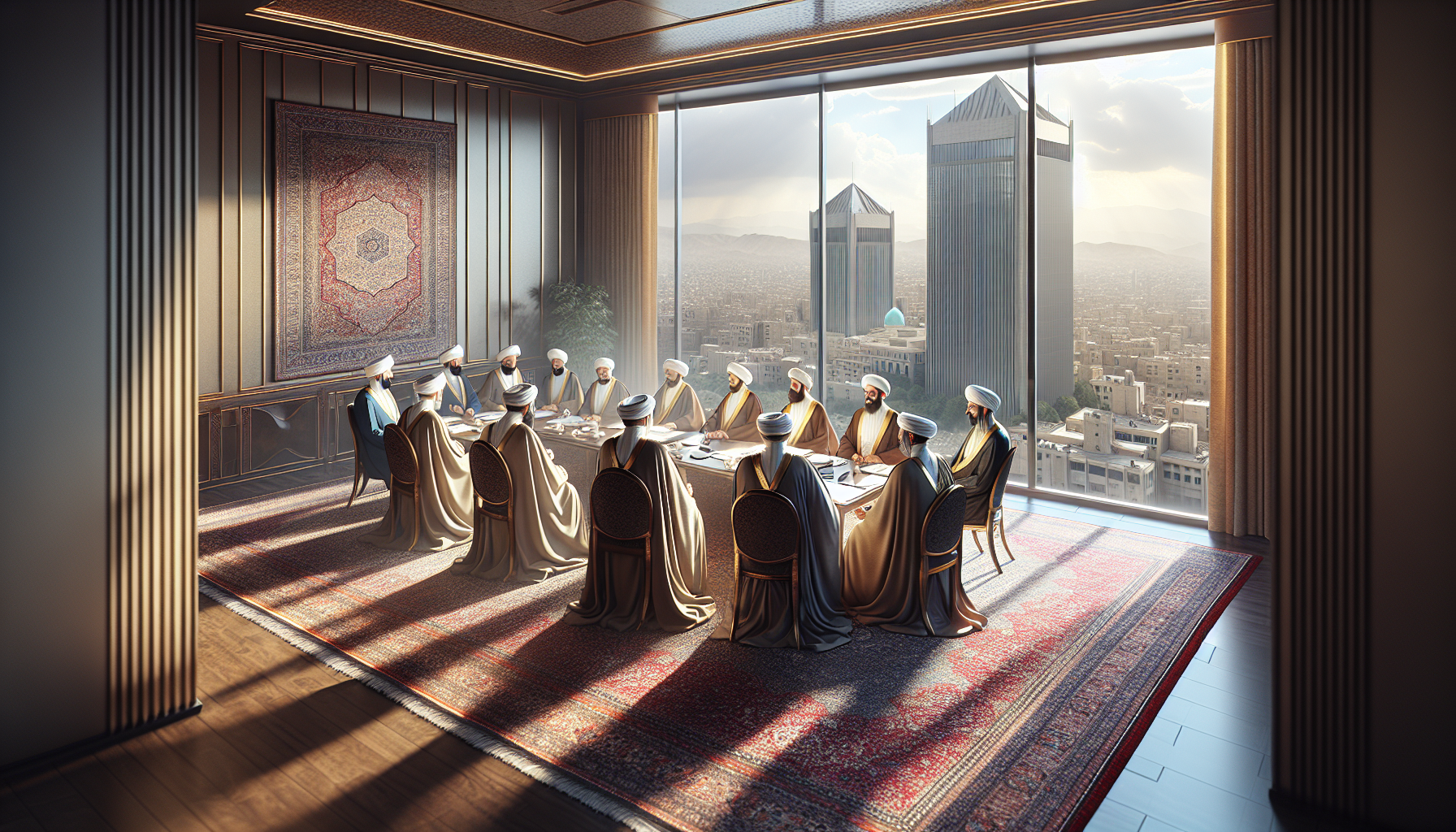
Iran’s political structure designates the supreme leader as the highest authority with the final say on major national matters. However, the reality of governance is more intricate, involving multiple power centers that influence policy and direction. Various institutions, including the Revolutionary Guard, the judiciary, and religious councils, play crucial roles in shaping decisions. This diffusion of power creates a dynamic where the supreme leader’s authority is significant but not absolute in practice.
Meanwhile, Iran’s political landscape is marked by competing factions within the government and religious establishment, each vying for influence. These groups impact domestic and foreign policies, often negotiating behind the scenes to assert their priorities. The supreme leader’s decisions are frequently informed by consultations with these influential bodies, reflecting a broader consensus rather than unilateral command. This complexity highlights the layered nature of governance in Iran, where formal titles do not always equate to direct control.
In a significant development, understanding Iran’s decision-making process is essential for interpreting its domestic policies and international behavior. The interplay between the supreme leader and other power brokers affects everything from economic reforms to foreign relations. Analysts and policymakers must consider this multifaceted power structure to accurately assess Iran’s strategic moves. Ultimately, the supreme leader remains a pivotal figure, but the broader network of actors shapes the country’s trajectory in profound ways.
