

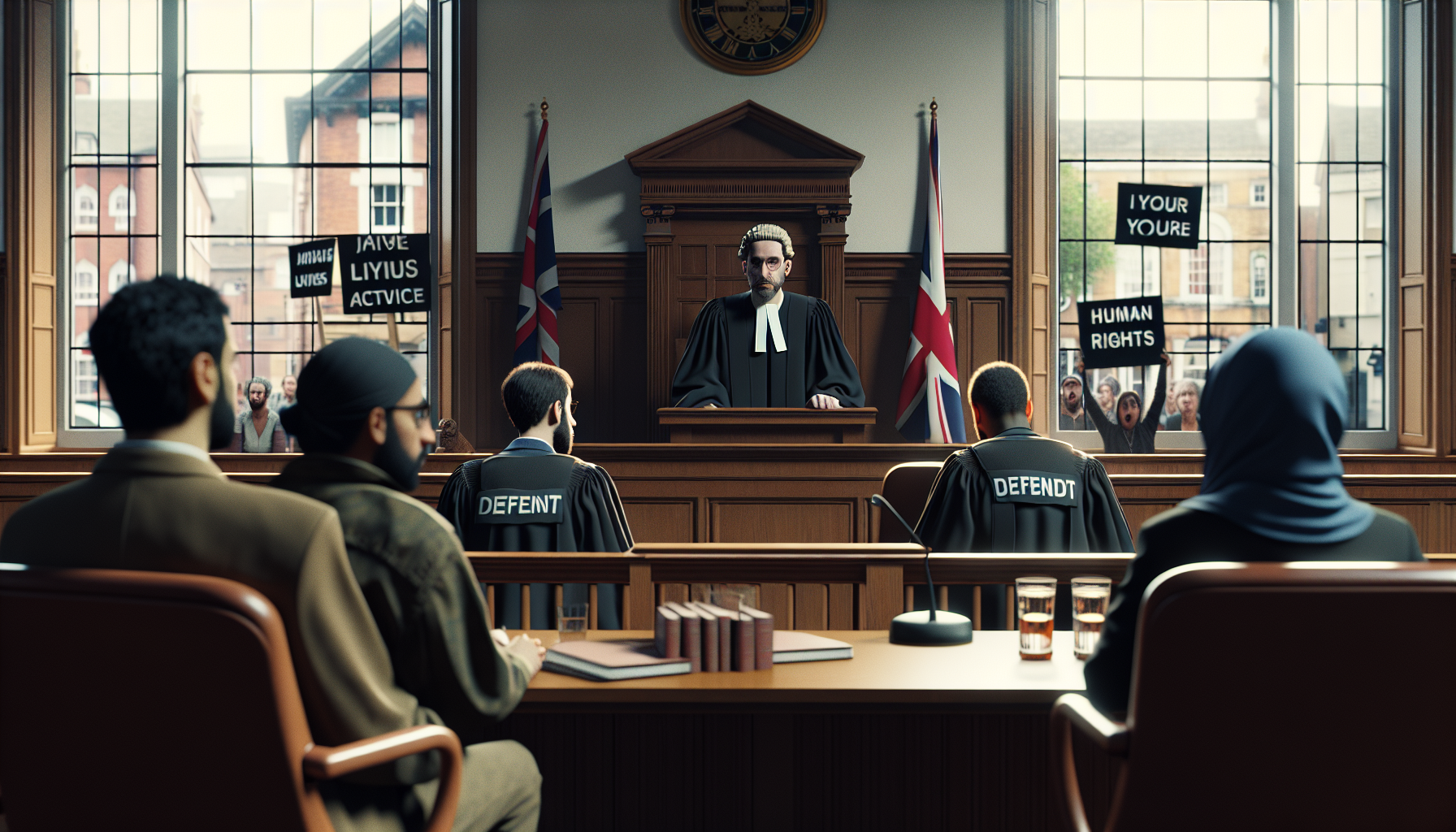
In a significant development, UK-based human rights organizations have strongly criticized the recent conviction of pro-Palestine activists Ben Jamal and Chris Nineham. These groups argue that the ruling represents an authoritarian crackdown on political expression and could discourage public activism on sensitive issues. The case has drawn widespread attention as a potential precedent for limiting freedom of speech in the UK.
Amnesty International and Human Rights Watch have voiced concerns that this legal decision may trigger a broader chilling effect on civil society, deterring individuals and groups from engaging in advocacy or protests. The activists, known for their outspoken support of Palestinian rights, were convicted under circumstances that rights groups describe as undermining democratic principles. This situation highlights ongoing tensions between national security measures and the protection of fundamental freedoms.
Meanwhile, the ruling has sparked debates about the balance between maintaining public order and safeguarding the right to dissent in democratic societies. Observers note that such convictions could have far-reaching implications for activists and campaigners across the UK and beyond. The case underscores the challenges faced by human rights defenders operating in politically charged environments and raises questions about the future of protest rights in the country.
