

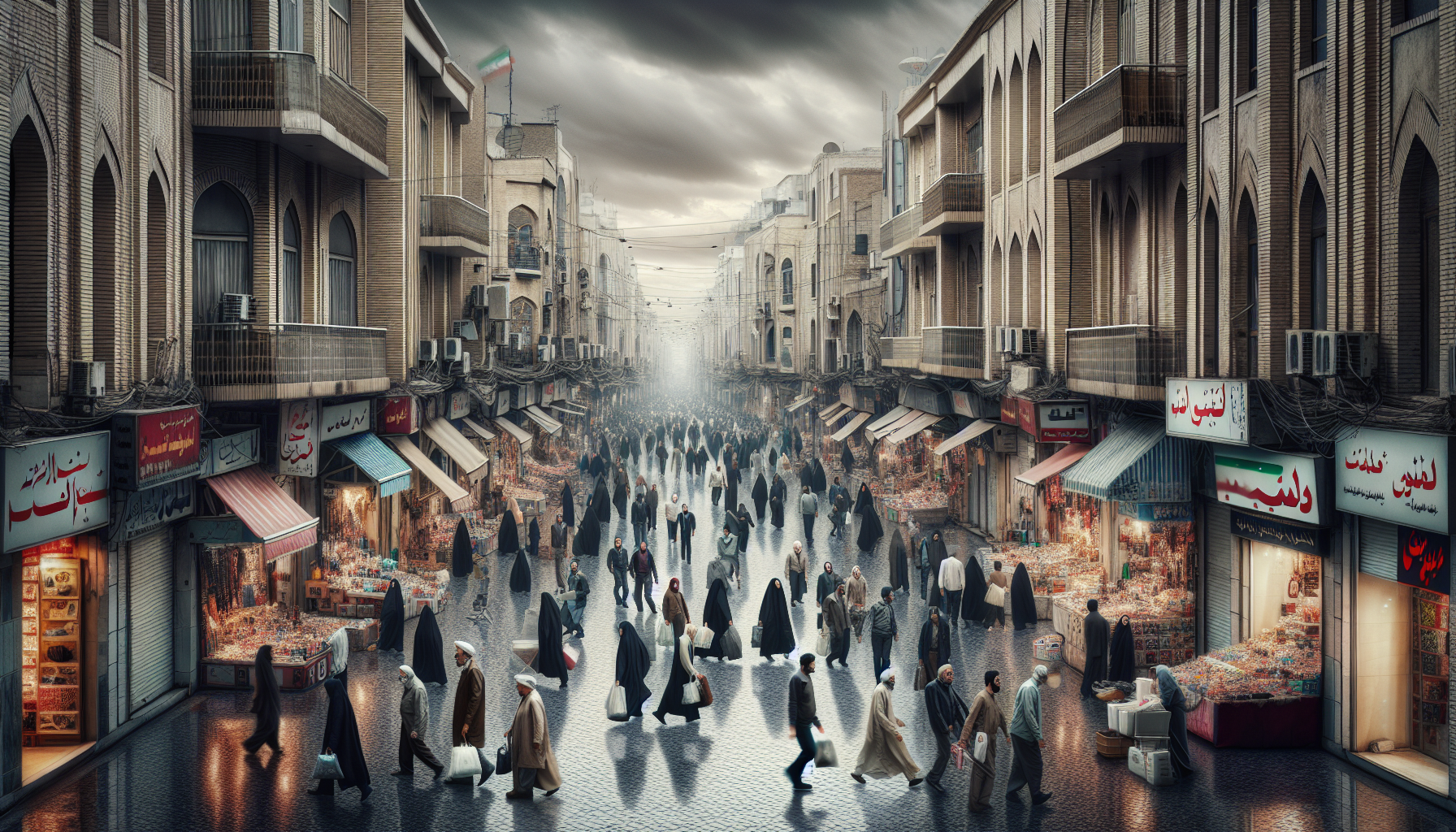
In Tehran, the capital of Iran, daily life continues amid significant economic challenges. Citizens grapple with shortages of money and rising living costs, which have cast a shadow over the city’s vibrant shopping districts. Despite the outward appearance of normalcy, many residents harbor deep concerns about their financial stability and the country’s future prospects. These economic difficulties are compounded by fears of escalating conflict, which add to the pervasive sense of uncertainty.
Meanwhile, the possibility of renewed warfare looms large in public discourse, influencing both political and social dynamics within the country. The tension is palpable as Iran navigates complex regional relationships and internal pressures. The combination of economic strain and geopolitical instability has created an environment where everyday activities are tinged with apprehension. This atmosphere affects not only individual livelihoods but also the broader national mood.
In a significant development, the intersection of economic hardship and potential conflict underscores the fragility of Iran’s current situation. The resilience of Tehran’s population is tested daily as they balance routine life with the weight of these challenges. Observers note that the outcome of this period will have lasting implications for Iran’s social cohesion and regional role. The ongoing situation demands close attention as it evolves amid these intertwined crises.
