

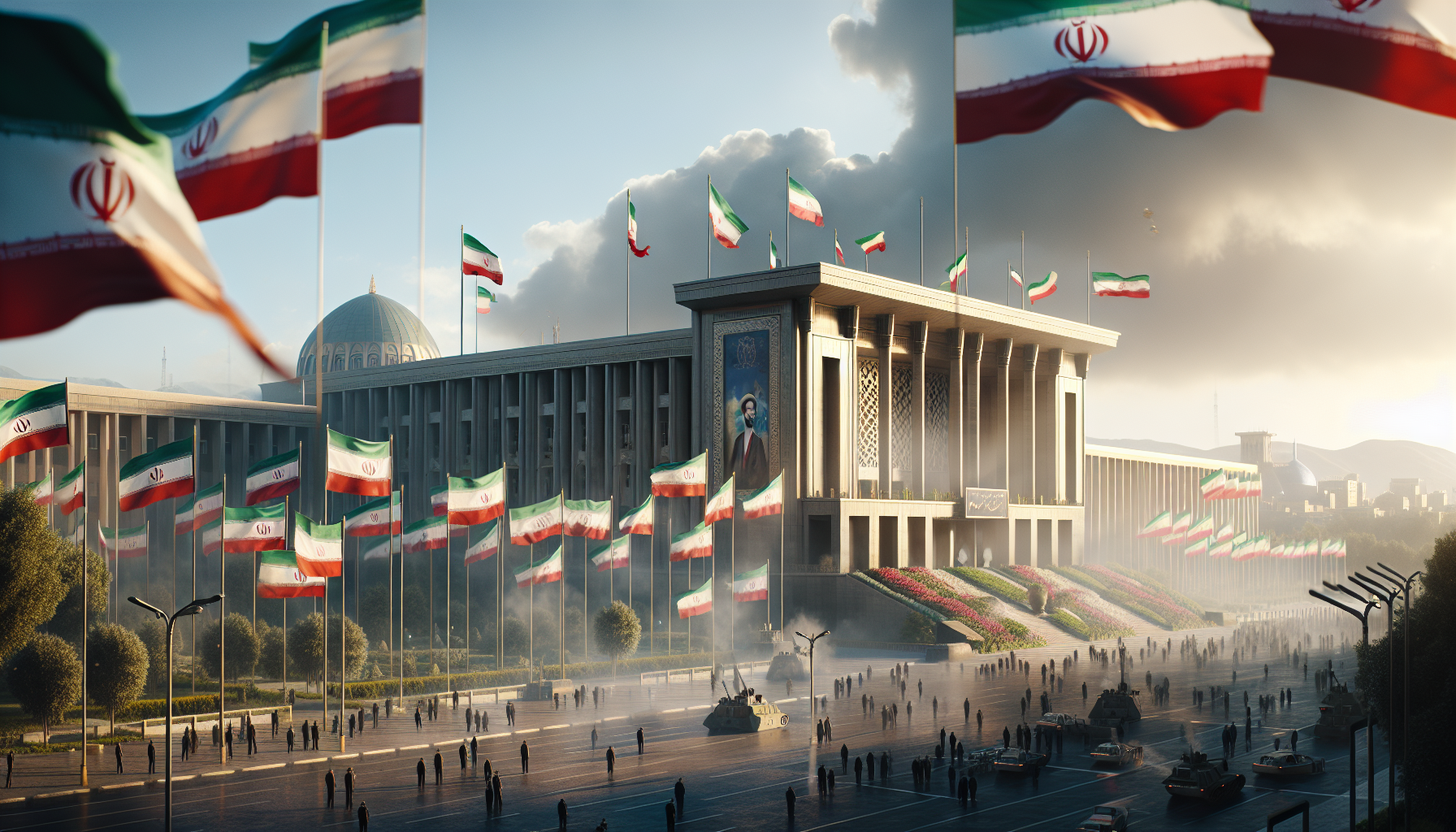
In a significant development, Iranian Parliament Speaker Mohammad Bagher Ghalibaf has openly criticized the United States and Israel for their ongoing blockade, which he claims is responsible for the current diplomatic deadlock. He emphasized that the pressure tactics employed by these nations will not succeed in achieving their objectives. This statement comes as a fragile truce remains in place, highlighting the tense atmosphere surrounding regional diplomacy.
The blockade, initiated during the Trump administration, has long been a point of contention, severely impacting Iran’s economy and its international relations. The truce, though delicate, offers a temporary pause in hostilities, but underlying tensions persist. Ghalibaf’s remarks underscore Iran’s firm stance against what it perceives as coercive measures by external powers, particularly the US and Israel.
Meanwhile, the broader implications of this diplomatic impasse affect not only regional stability but also global geopolitical dynamics. The ongoing stalemate complicates efforts toward peaceful resolution and raises concerns about the potential for renewed conflict. Iran’s rejection of intimidation tactics signals a continued resistance to external pressure, shaping the future trajectory of Middle Eastern diplomacy.
