

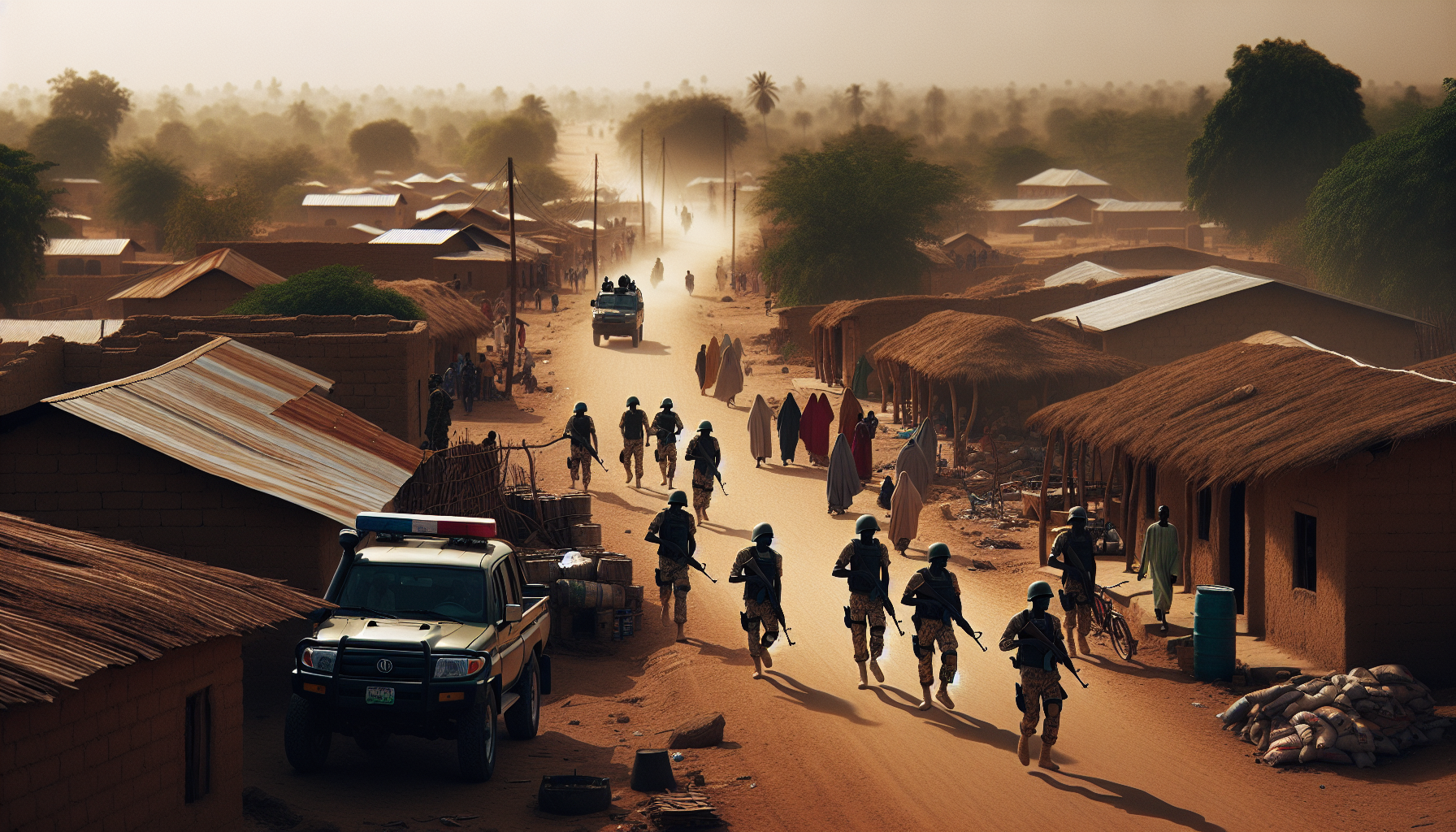
Northern Nigeria is currently grappling with a multifaceted insurgency that has evolved over time, challenging simplistic narratives. Contrary to some claims, there is no evidence supporting a US-led conspiracy or a targeted genocide against Christians in the region. Instead, the conflict is driven by militant groups adapting their strategies to local and regional dynamics. This insurgency has caused significant instability, affecting security and development across northern Nigeria.
The roots of the insurgency trace back to longstanding socio-economic grievances, religious tensions, and political marginalization. Groups such as Boko Haram and its offshoots have exploited these conditions to expand their influence, employing guerrilla tactics and terror attacks. Their ability to adapt has complicated counterinsurgency efforts by Nigerian security forces and international partners. Meanwhile, the civilian population continues to bear the brunt of violence, displacement, and humanitarian crises.
In a significant development, understanding the insurgency’s true nature is crucial for formulating effective responses and dispelling misinformation. Recognizing the absence of external conspiracies helps focus attention on addressing the underlying causes and improving governance. The ongoing conflict underscores the need for comprehensive strategies combining military, political, and socio-economic measures to restore peace and stability in northern Nigeria.
