

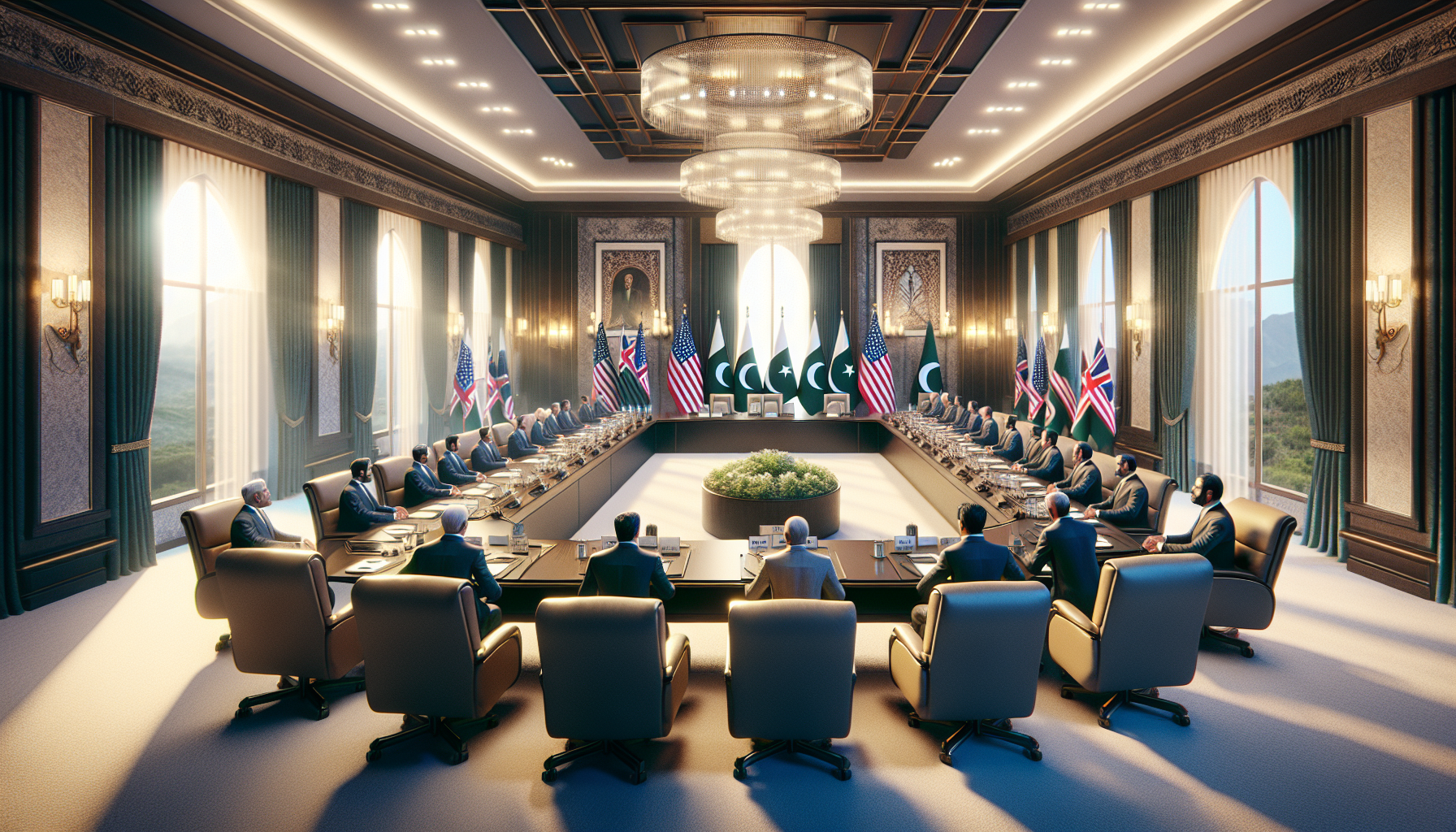
In a significant development, former US President Donald Trump announced that American negotiators are set to travel to Islamabad to engage in ceasefire discussions concerning Iran. This move comes despite his earlier accusations that Iran has breached the existing truce, highlighting ongoing tensions in the region. The decision to hold talks in Pakistan underscores Islamabad’s strategic role as a diplomatic intermediary in Middle Eastern conflicts. It also reflects the complex dynamics of US-Iran relations, where dialogue continues amid persistent mistrust.
Trump’s warning to Tehran about facing severe repercussions signals the high stakes involved in these negotiations. The US has consistently expressed concerns over Iran’s regional activities, which it views as destabilizing. Meanwhile, Pakistan’s involvement as a host for these talks positions it as a key player in facilitating dialogue between conflicting parties. This diplomatic effort could potentially pave the way for de-escalation and renewed negotiations in a region marked by volatility.
The announcement also highlights the broader geopolitical implications of the Iran ceasefire talks. With multiple global powers invested in the outcome, the US delegation’s visit to Islamabad may influence future diplomatic strategies. Notably, the engagement reflects a continued US interest in resolving conflicts through negotiation, even as it maintains a firm stance against violations. The outcome of these discussions could impact regional security and international diplomatic relations moving forward.
