

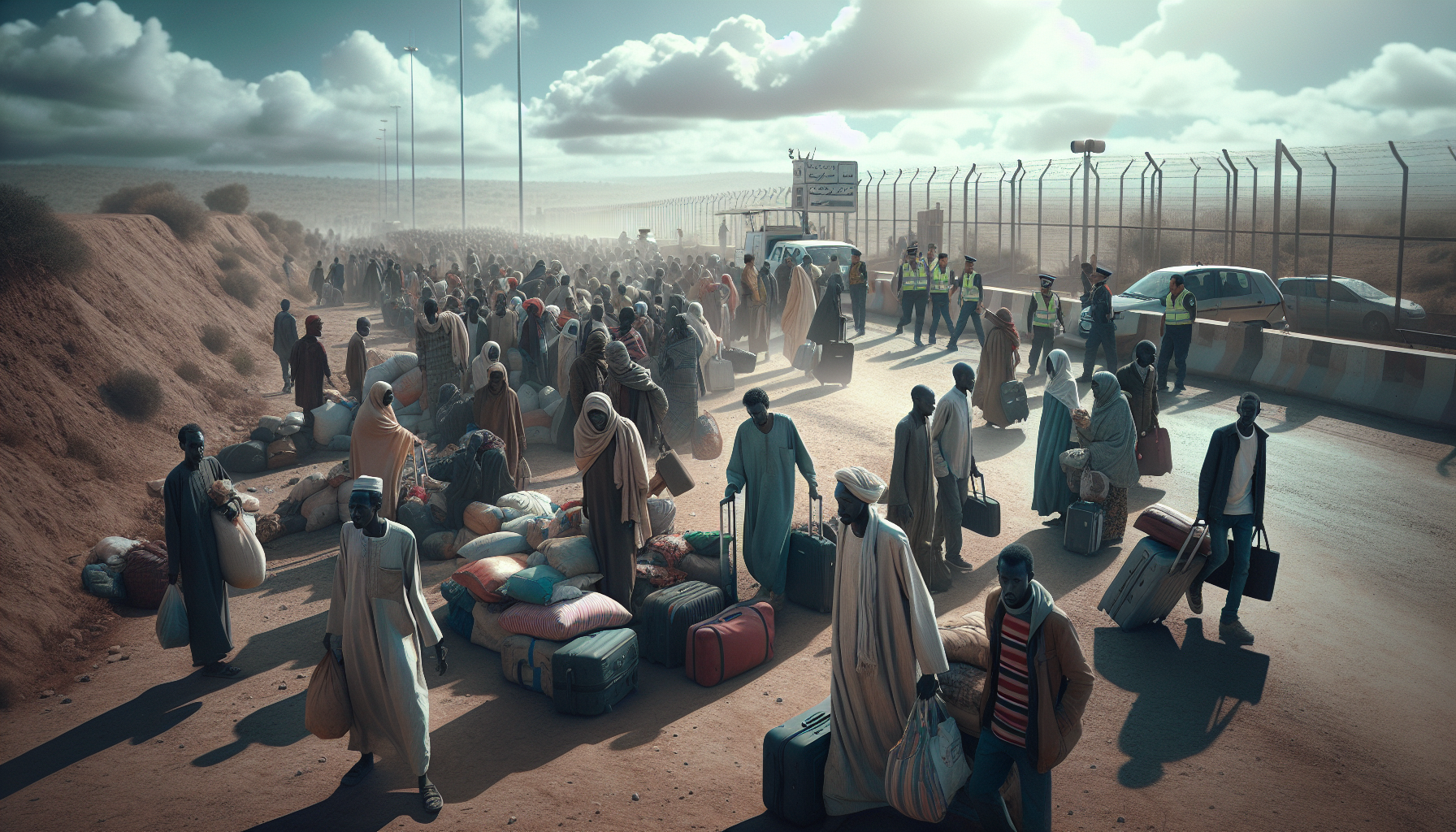
In recent months, Morocco has witnessed a rising influx of Sudanese refugees escaping the ongoing war in their homeland. These individuals seek safety and stability but encounter significant obstacles upon arrival. Many find themselves stranded at border crossings or within Moroccan territory, unable to proceed due to complex administrative procedures and restrictive policies. This situation highlights the broader challenges faced by refugees worldwide when fleeing conflict zones.
Morocco’s geographic position as a gateway to Europe makes it a critical transit point for displaced populations from Africa and the Middle East. However, the country’s immigration and asylum systems are often overwhelmed, leading to prolonged delays and uncertainty for refugees. The Sudanese, in particular, face difficulties obtaining legal status or humanitarian assistance, exacerbating their vulnerability. This impasse underscores the urgent need for coordinated international support and policy reforms to address refugee protection effectively.
Meanwhile, the plight of Sudanese refugees in Morocco draws attention to the wider regional impact of the Sudanese conflict. As instability persists, more civilians are expected to seek refuge beyond their borders, placing additional pressure on neighboring countries. The situation calls for enhanced cooperation between Morocco, international organizations, and Sudanese authorities to facilitate safe passage, legal recognition, and access to essential services for those displaced. Without such measures, many refugees risk prolonged hardship and marginalization in transit countries.
