

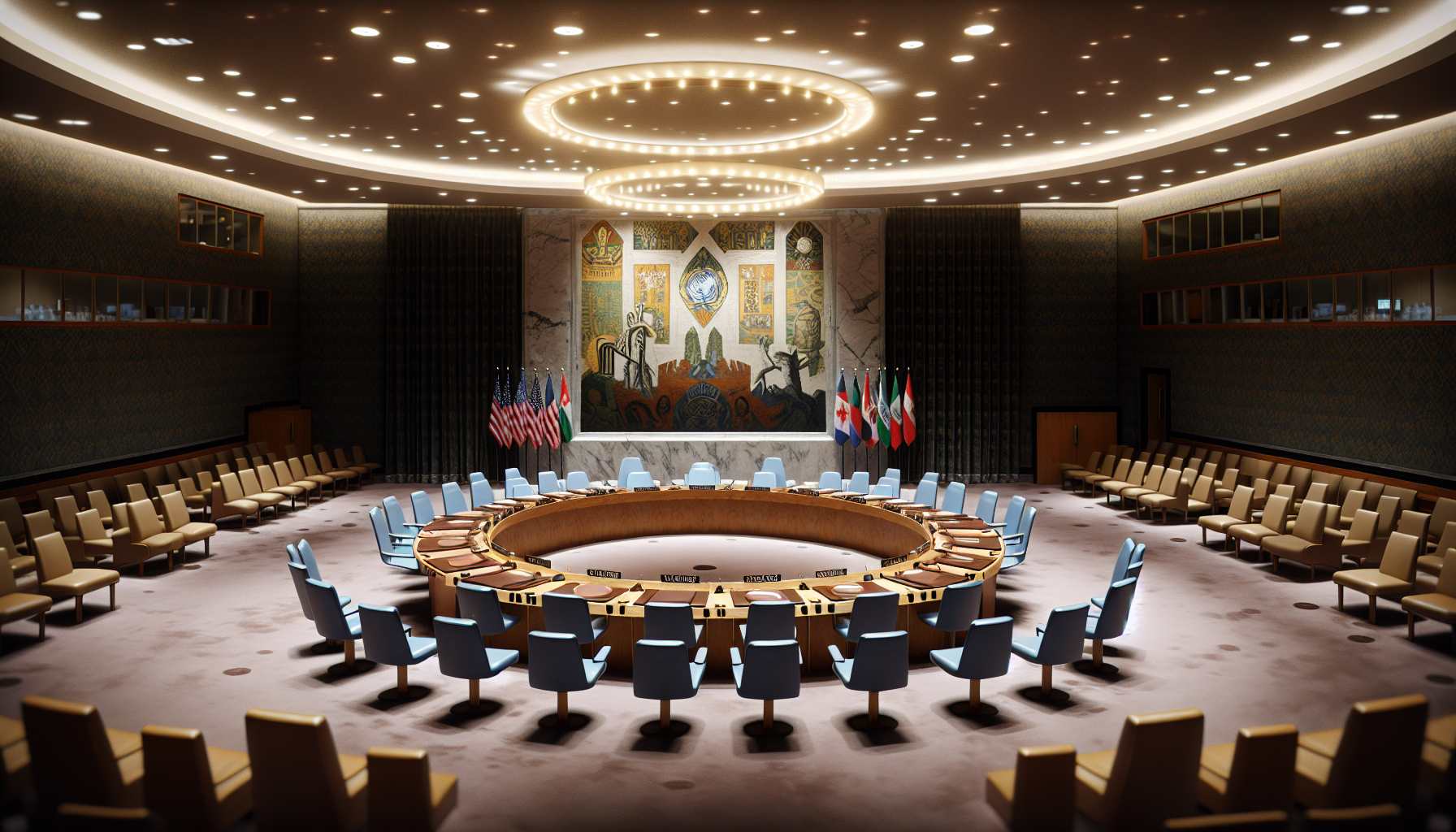
In a significant development, Brazil’s president has publicly condemned the five permanent members of the United Nations Security Council, referring to them as “Lords of War.” This strong denunciation highlights ongoing frustrations with the council’s structure and its perceived dominance by a select group of powerful nations. The five permanent members—China, France, Russia, the United Kingdom, and the United States—hold veto power, which often shapes international responses to conflicts and crises.
Brazil’s criticism comes amid broader global debates about the effectiveness and fairness of the Security Council. Many countries and international observers argue that the current arrangement reflects outdated power dynamics established after World War II, limiting the council’s ability to address contemporary challenges equitably. Calls for reform have intensified, with some advocating for expanded membership or changes to veto privileges to better represent the geopolitical realities of the 21st century.
Meanwhile, the president’s remarks underscore the growing dissatisfaction among emerging and developing nations regarding their limited influence in global governance. Such statements may fuel discussions on international diplomacy and the need for more inclusive decision-making mechanisms. The impact of this condemnation could resonate in future UN debates, potentially shaping efforts to enhance the legitimacy and responsiveness of the Security Council.
