

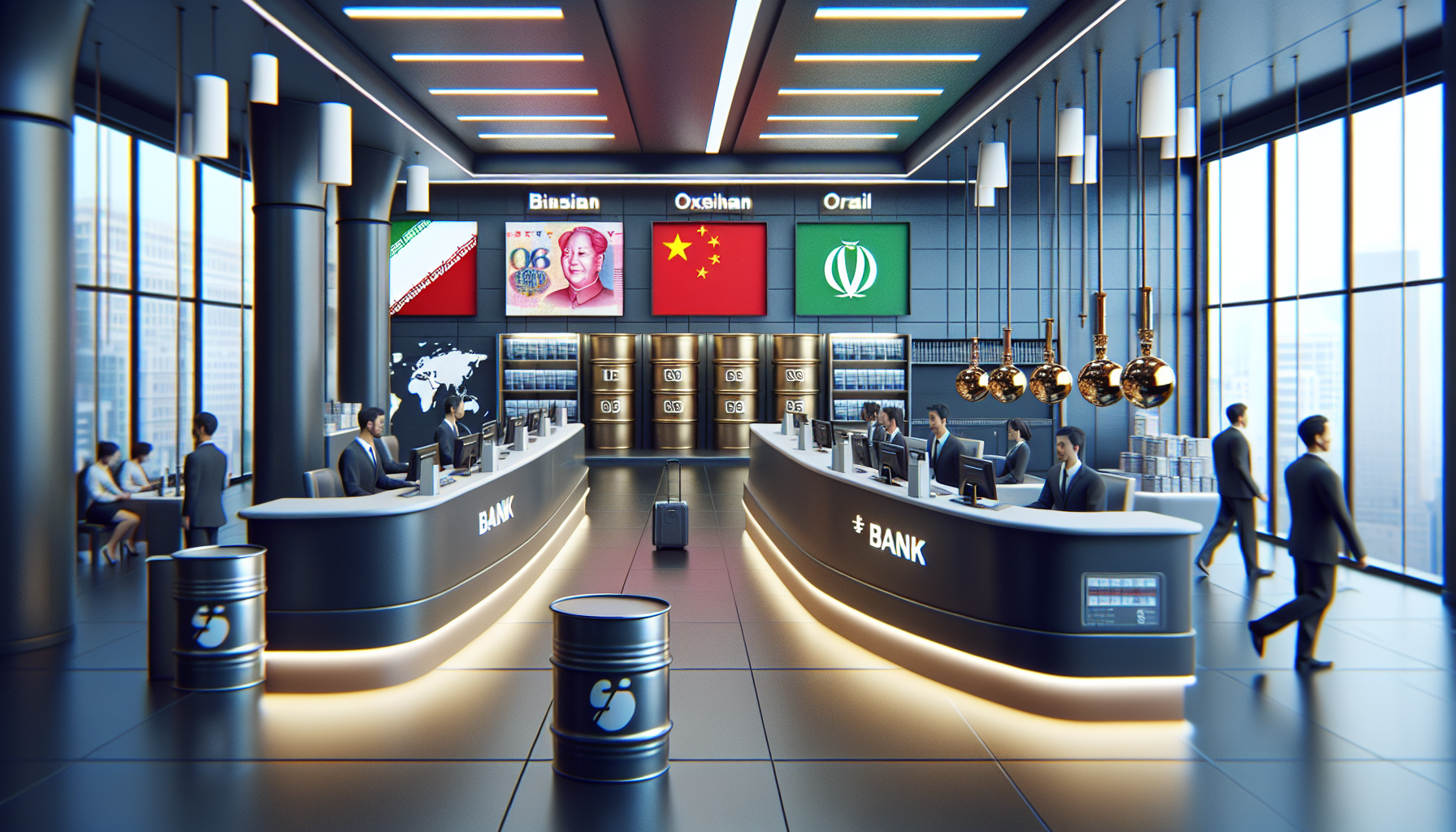
In a significant development in international trade, Indian refiners have begun using the Chinese yuan to pay for Iranian oil imports. This transaction is facilitated through ICICI Bank, one of India’s leading private sector banks. The move reflects a strategic shift in payment methods, likely influenced by ongoing sanctions and geopolitical pressures surrounding Iran’s oil exports. By adopting the yuan, Indian firms may be seeking to bypass restrictions tied to the US dollar and maintain steady energy supplies.
India is one of the largest importers of Iranian crude, and the ability to continue these imports is crucial for its energy security. The use of yuan payments through ICICI Bank could signal a broader trend of diversifying currency usage in international trade, especially among countries facing sanctions or seeking alternatives to Western financial systems. This arrangement also highlights the growing influence of the Chinese currency in global energy markets and trade finance.
Meanwhile, this development could have wider implications for global oil trade dynamics, potentially encouraging other nations to explore non-dollar payment mechanisms. It also underscores the evolving financial strategies employed by countries to navigate complex geopolitical landscapes. The involvement of ICICI Bank in these transactions demonstrates the increasing role of Indian financial institutions in facilitating international trade beyond traditional channels.
