

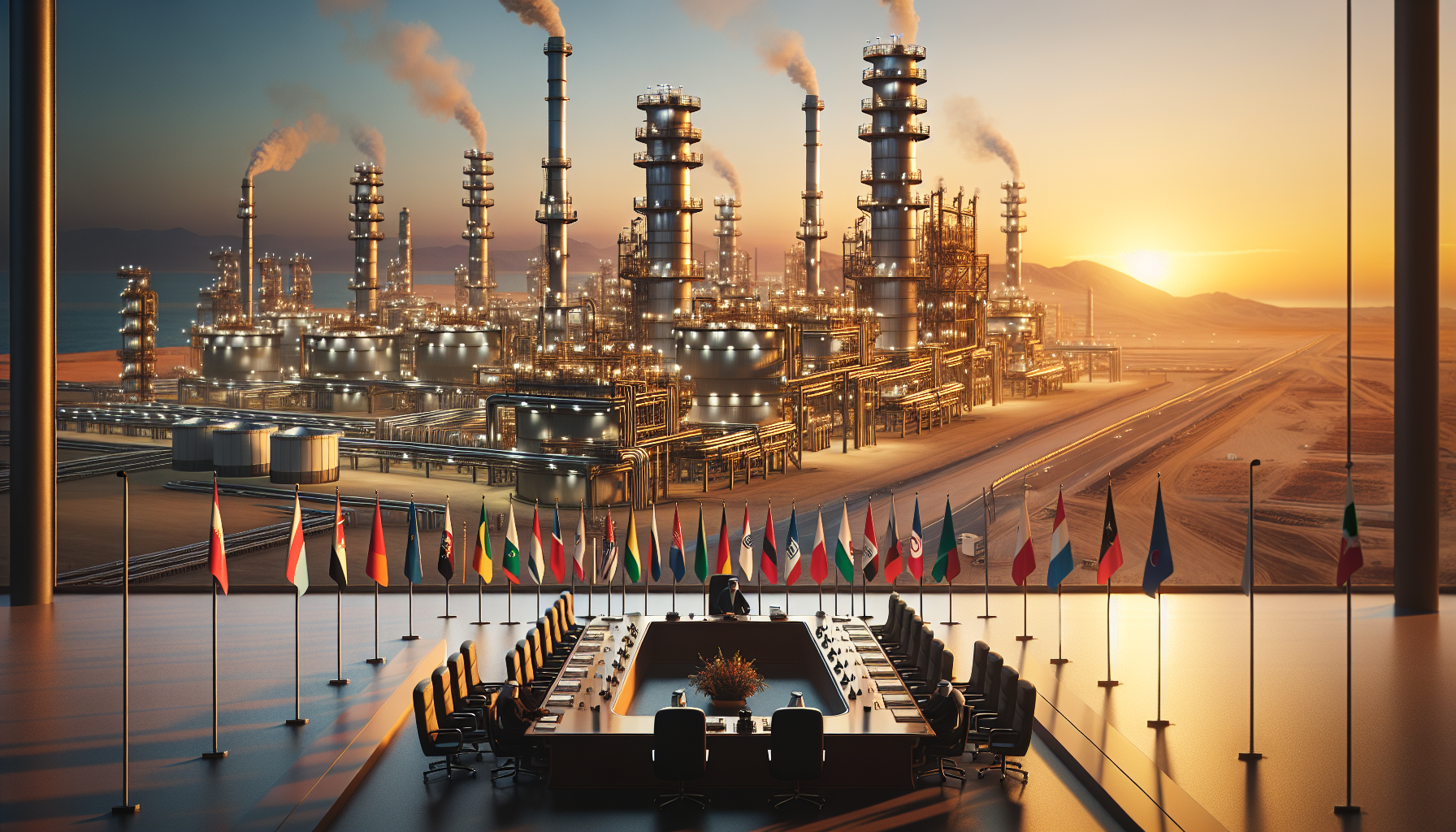
The ongoing conflict involving Iran has significantly impacted global energy markets, particularly in the Gulf region, where disruptions have led to increased volatility in oil supplies. This situation has exposed the difficulties nations face when attempting to maintain a neutral stance amid escalating geopolitical tensions. Countries traditionally relying on strategic ambiguity now find their positions increasingly untenable as economic and political pressures mount.
Meanwhile, the war has deepened divisions among allied states, challenging long-standing partnerships and forcing governments to reassess their foreign policies. The conflict’s ripple effects extend beyond immediate combat zones, influencing diplomatic alignments and economic strategies worldwide. This evolving landscape underscores the complexity of balancing national interests with broader regional stability.
In a significant development, the Iran war highlights the limitations of neutrality as a viable approach in contemporary international affairs. The interplay between energy security and alliance politics demonstrates how conflicts can reshape global power dynamics. As the situation continues to unfold, the international community faces mounting challenges in navigating a path that avoids direct confrontation while addressing the conflict’s far-reaching consequences.
