

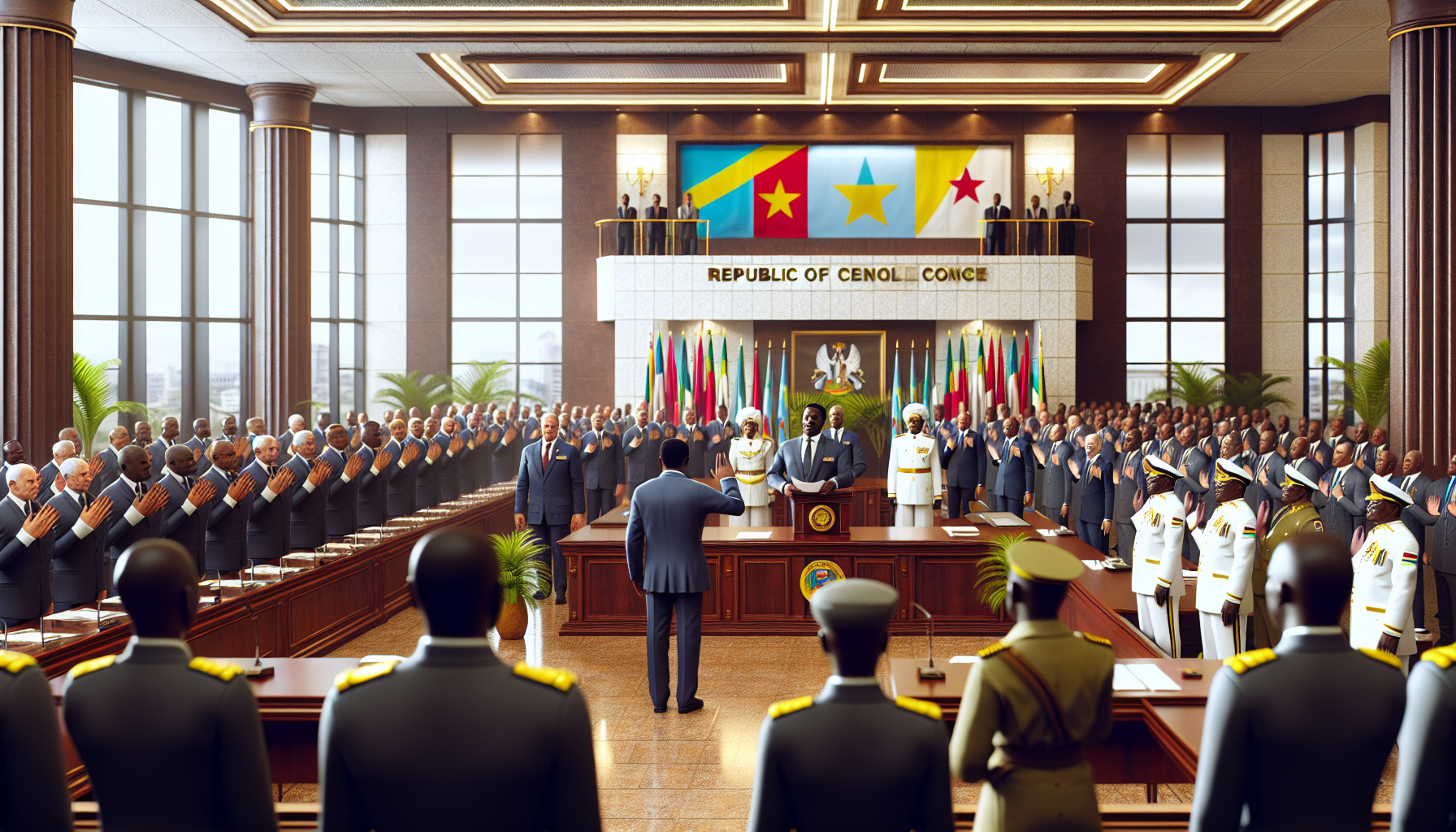
Denis Sassou Nguesso has officially taken the oath to begin his fifth term as president of the Republic of Congo. His continued leadership marks over three decades of influence in the country’s political landscape, having first assumed power in 1979. Sassou Nguesso’s presidency has been characterized by periods of both stability and controversy, including allegations of electoral irregularities and challenges from opposition groups.
In a significant development for the Republic of Congo, Sassou Nguesso’s re-election consolidates his hold on power amid ongoing debates about democratic processes and governance in the region. His administration has focused on economic development initiatives, particularly in the oil sector, which is vital to the country’s economy. Meanwhile, critics argue that political freedoms remain constrained under his rule, raising concerns about the future of democratic reforms.
The inauguration of Sassou Nguesso for a fifth term underscores the complex political dynamics in Central Africa, where long-serving leaders often dominate national politics. This event will likely impact regional stability and international relations, as foreign governments and organizations monitor Congo’s political trajectory. The president’s extended tenure may influence policy continuity but also poses questions about political pluralism and citizen representation in the Republic of Congo.
