

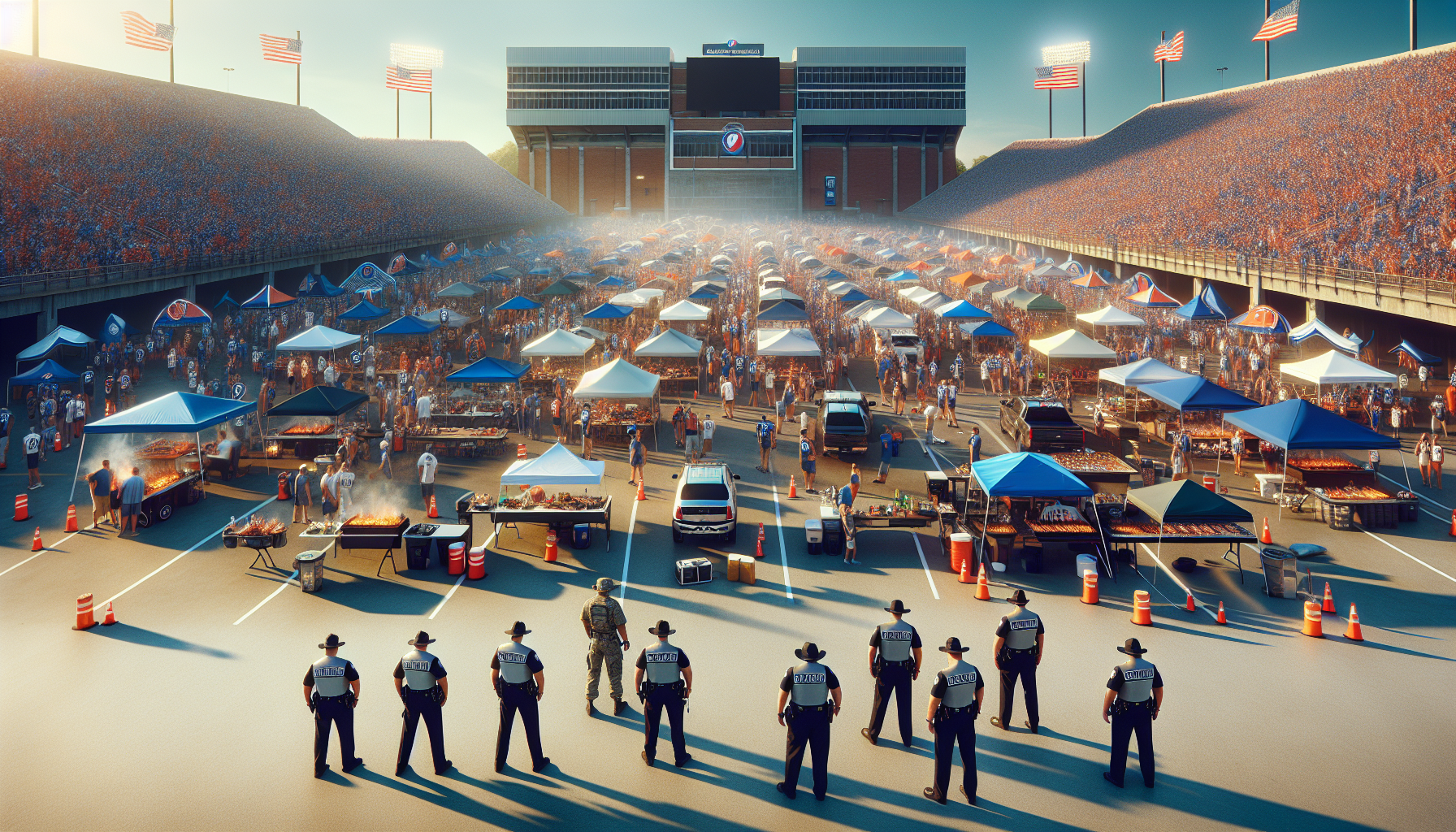
Football supporters in the United States have expressed strong dissatisfaction following the decision by FIFA and local event organizers to prohibit tailgating activities at World Cup venues. Tailgating, a popular pre-game tradition involving social gatherings and barbecues in stadium parking lots, has long been a staple of American sports culture. This ban marks a significant shift in the fan experience, as many view tailgating as an integral part of the matchday atmosphere.
In a significant development, FIFA’s move to restrict these gatherings is aimed at enhancing security and crowd control during the high-profile tournament. The World Cup, hosted across multiple US cities, is expected to attract millions of spectators, prompting organizers to implement stricter regulations to ensure safety and smooth operations. However, this approach has sparked debate among fans who argue that the ban diminishes the festive spirit traditionally associated with major sporting events in the US.
Meanwhile, the controversy highlights the challenges of balancing global event standards with local customs. Tailgating is deeply embedded in American sports culture, and its exclusion could impact fan engagement and overall enjoyment. As the tournament approaches, the response from supporters and organizers will be closely watched, potentially influencing future policies for international sporting events held in the United States.
