

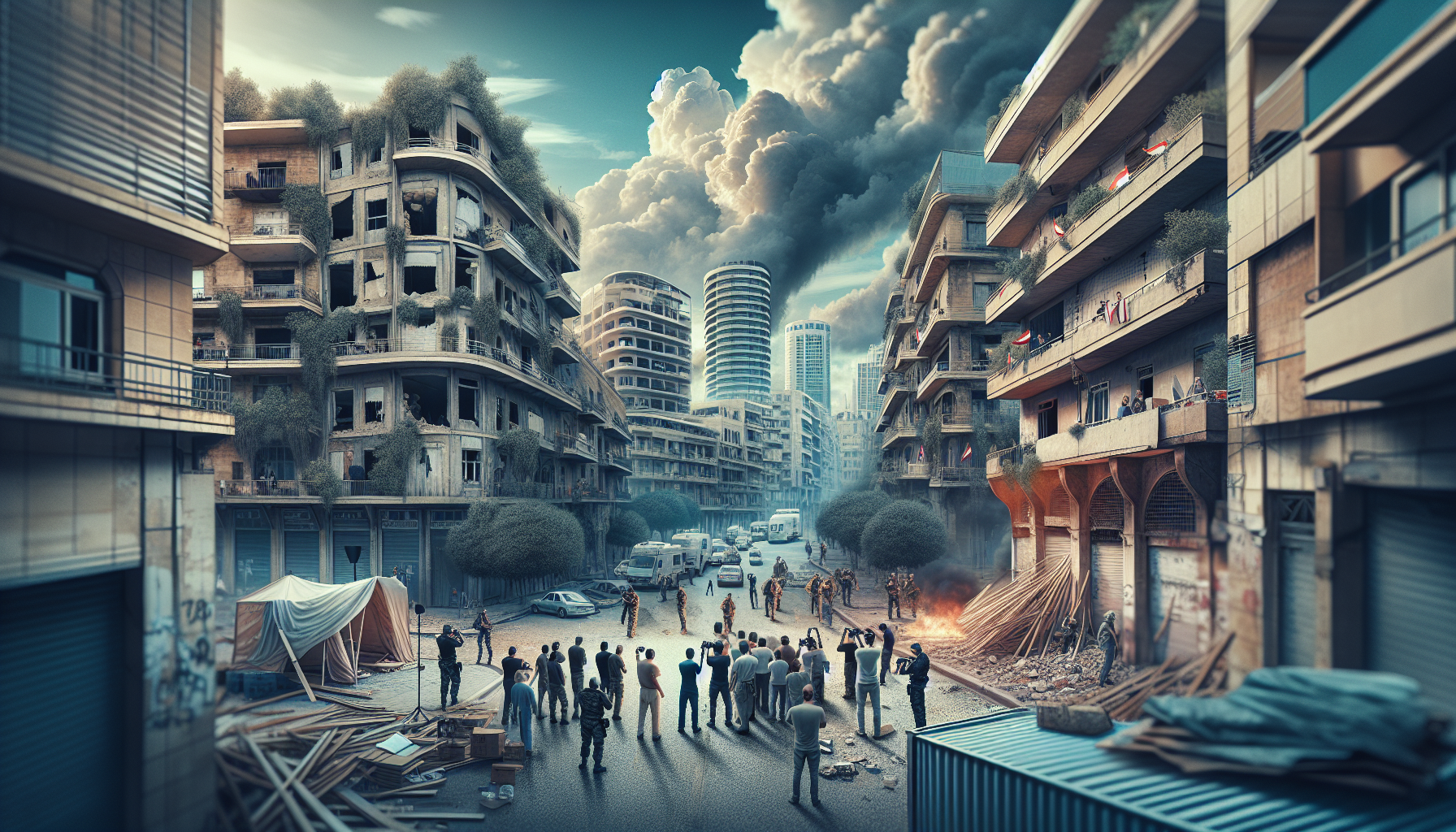
In Beirut’s Karantina district, longstanding sectarian tensions have intensified following the cancellation of a proposed displacement centre. This development has reignited fears rooted in Lebanon’s civil war history, where sectarian divisions led to prolonged conflict and instability. The displacement centre was intended to provide shelter and support for vulnerable populations, but opposition from local groups has halted the project. This opposition reflects deep-seated mistrust among communities, highlighting the fragile social fabric in the area.
Notably, Karantina has historically been a flashpoint for sectarian violence, making any new development highly sensitive. The cancellation of the centre underscores the challenges faced in addressing humanitarian needs amid complex political and sectarian dynamics. Meanwhile, displaced individuals and families remain without adequate support, exacerbating their vulnerability. The situation illustrates the broader difficulties Lebanon faces in reconciling its diverse communities while managing ongoing socio-political crises.
In a significant development, the resurgence of sectarian fears in Karantina signals potential risks for renewed unrest if grievances are not addressed. The cancellation has drawn attention to the need for inclusive dialogue and confidence-building measures to prevent further polarization. Humanitarian organizations and local authorities are now under pressure to find alternative solutions that can accommodate displaced populations without inflaming sectarian tensions. The outcome in Karantina could serve as a critical indicator of Lebanon’s capacity to overcome its divided past and move towards stability.
