

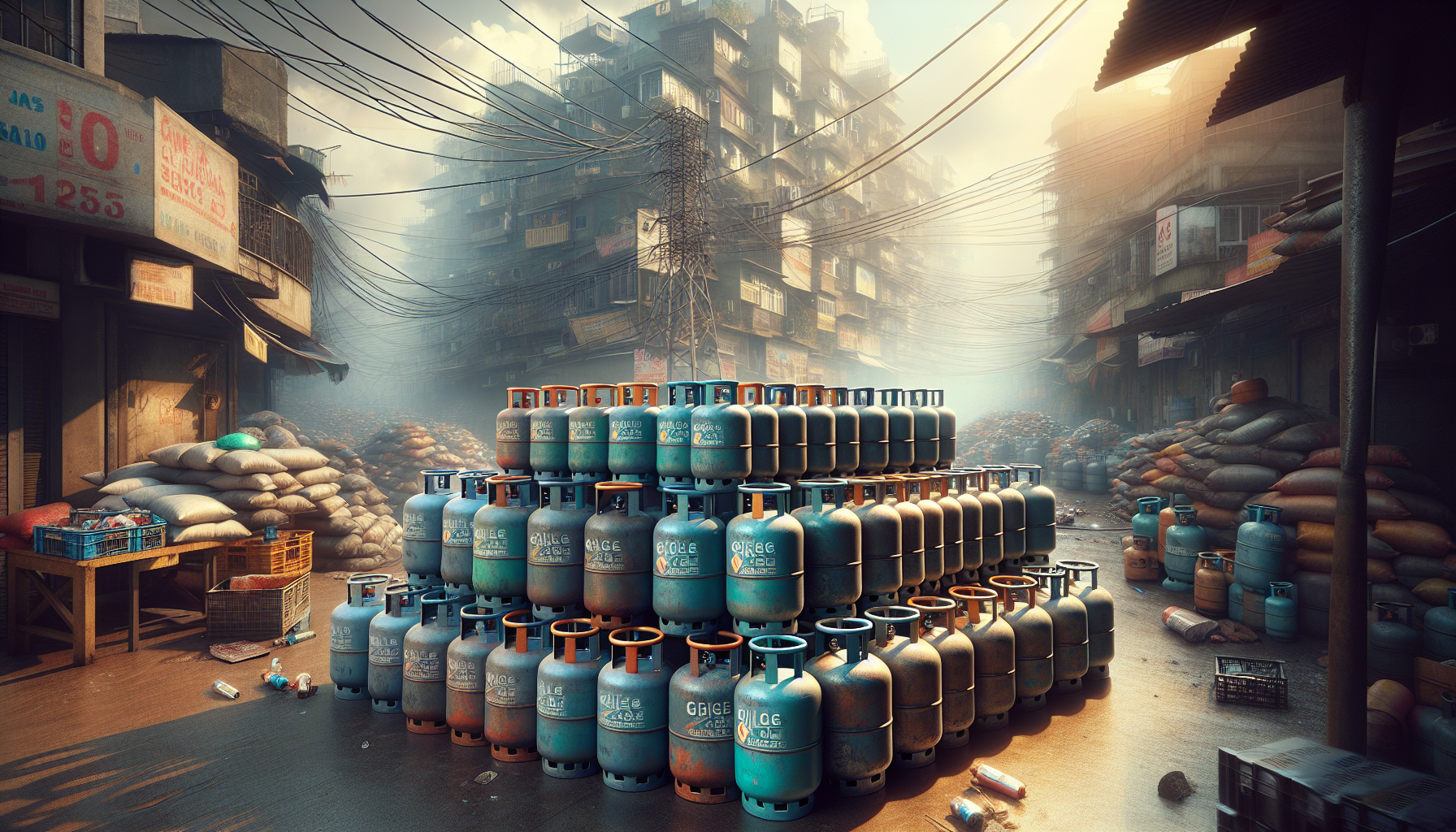
In Karachi, the cost of gas cylinders has escalated notably in the wake of ongoing loadshedding. This surge reflects the increased demand for alternative fuel sources as electricity shortages persist across the city. Residents, relying heavily on gas cylinders for cooking and heating, are facing financial strain due to these price hikes. The situation underscores the broader energy crisis affecting urban centers in Pakistan.
Loadshedding, a common issue in Karachi, forces many households to seek substitute energy options, thereby driving up the demand and prices of gas cylinders. This trend not only burdens consumers but also highlights the challenges in the city’s energy infrastructure and supply chain. The price increase could potentially affect low and middle-income families the most, exacerbating economic hardships.
In a significant development, the rising gas cylinder prices may prompt calls for government intervention to stabilize fuel costs and improve energy distribution. Meanwhile, the ongoing power outages continue to disrupt daily life and economic activities in Karachi. Addressing these energy supply issues remains critical to ensuring affordable and reliable fuel access for the city’s population.
