

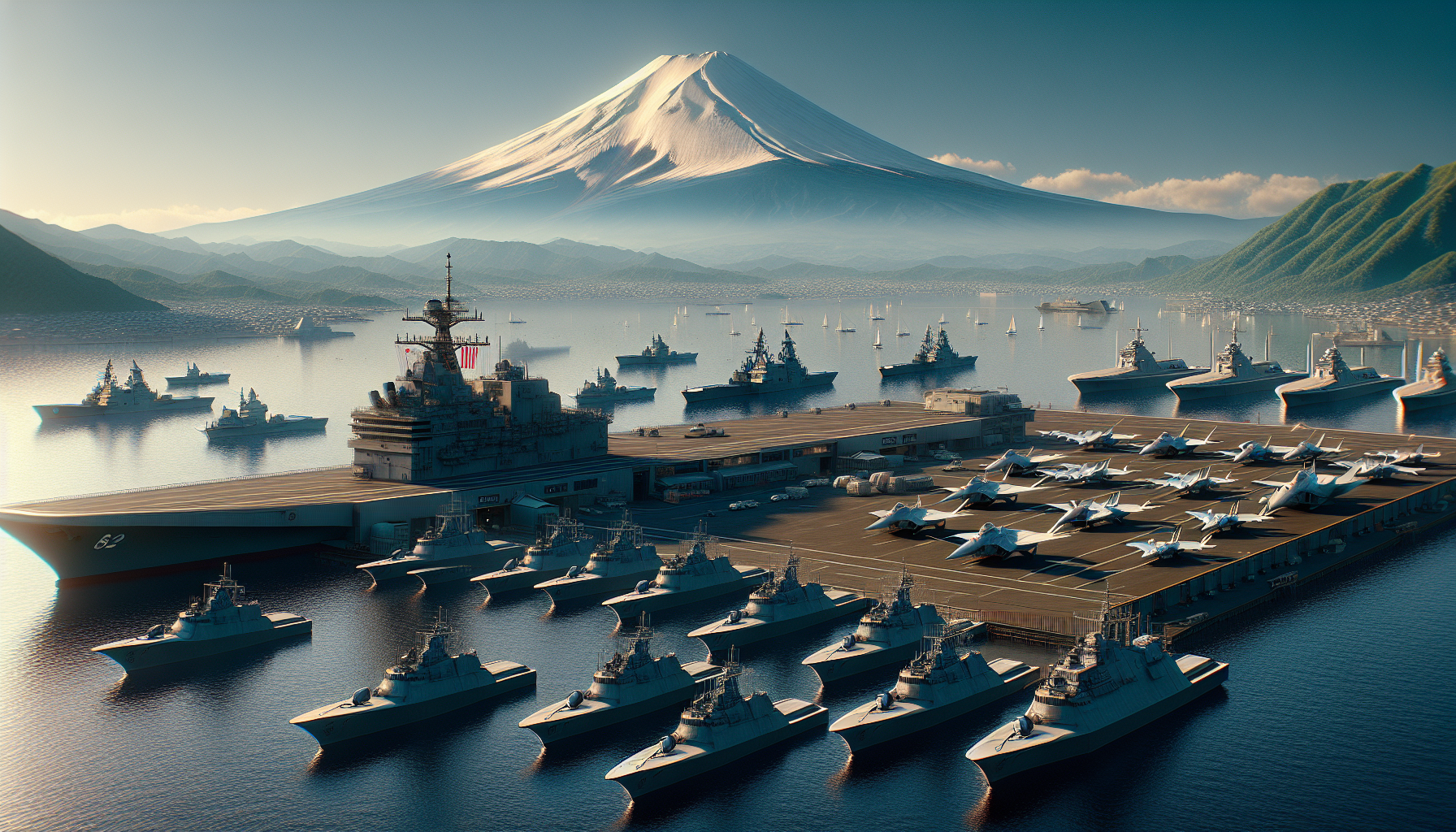
Japan is undertaking its most significant military expansion since the end of World War II, a move that has attracted intense scrutiny from US allies. This development comes amid growing unease caused by former President Donald Trump’s unpredictable foreign policy, which has prompted regional partners to reassess their defense strategies. Japan’s decision marks a notable shift from its traditionally pacifist stance, reflecting concerns over regional security threats and the need for greater self-reliance.
Meanwhile, the expansion is seen as a strategic response to the evolving geopolitical landscape in East Asia, particularly with rising tensions involving China and North Korea. Japan’s increased defense capabilities are expected to enhance deterrence and strengthen cooperation with allied nations, including the United States. This arms buildup includes advanced weaponry and increased defense spending, signaling a new era in Japan’s military posture.
In a significant development, this move could reshape the security dynamics of the Asia-Pacific region. US allies are closely watching how Japan balances its constitutional constraints with the necessity of addressing emerging threats. The expansion also underscores the broader implications of US foreign policy shifts under Trump, which have led allies to seek greater autonomy in their defense arrangements while maintaining strategic partnerships.
