

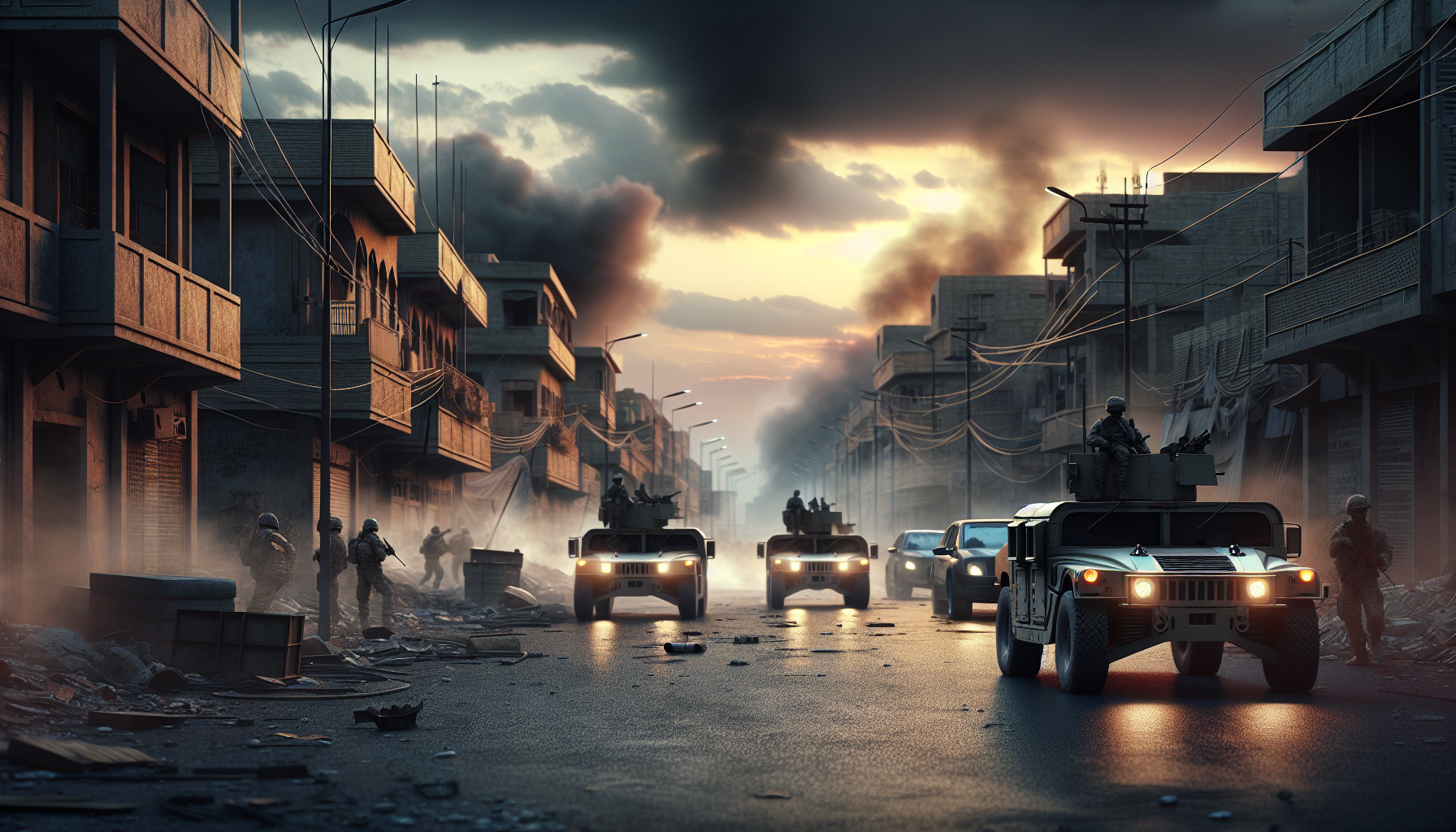
The recent conflict between the United States and Iran unfolded in a manner that diverged sharply from Washington’s initial expectations. US strategists misjudged Iran’s capacity to sustain prolonged resistance, leading to a protracted confrontation lasting 40 days. This miscalculation exposed the limits of American leverage in the region and highlighted the complexities of engaging with Iran’s political and military apparatus.
In a significant development, the war evolved into a costly war of attrition, draining resources and political capital without delivering decisive outcomes for the US. Iran’s strategic patience and asymmetric tactics effectively countered US efforts to quickly achieve their objectives. This scenario underscored the challenges faced by external powers attempting to influence regional dynamics through military means.
Meanwhile, the conflict’s duration and intensity have had broader implications for US foreign policy and regional stability. The drawn-out nature of the war has prompted reassessments of American intervention strategies in the Middle East. Furthermore, it has reinforced Iran’s position as a resilient actor capable of withstanding external pressure, thereby shaping future diplomatic and military engagements in the area.
