

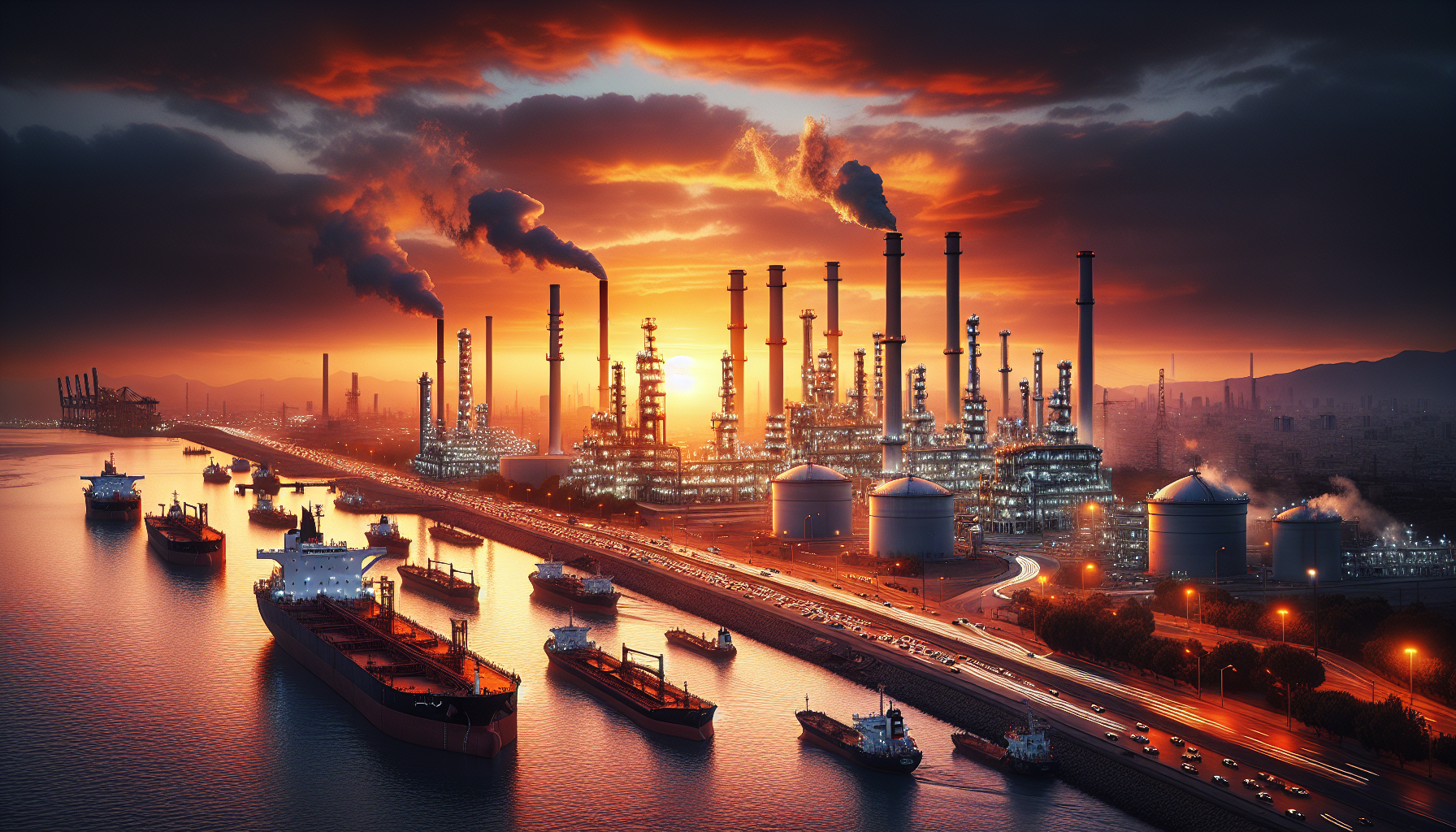
The prolonged conflict involving Iran has intensified the economic difficulties already imposed by international sanctions. These sanctions have severely restricted Iran’s access to global markets and financial systems, leading to inflation and reduced foreign investment. Despite these pressures, Iran’s oil sector continues to generate significant revenue, which acts as a critical buffer against deeper economic collapse. This reliance on oil income underscores the country’s vulnerability to fluctuations in global energy markets.
Meanwhile, the war has disrupted various domestic industries and trade routes, further complicating economic recovery efforts. The combination of military expenditures and sanctions has strained public finances, impacting social services and infrastructure development. However, oil exports remain a lifeline, enabling the government to maintain some level of economic stability and fund essential programs. This dynamic highlights the dual-edged nature of Iran’s economic situation, caught between external pressures and internal resilience.
In a significant development, the ongoing conflict and sanctions regime have drawn international attention to Iran’s economic plight, influencing geopolitical strategies and regional alliances. The country’s ability to sustain its economy despite these adversities affects not only its domestic population but also global energy markets and diplomatic relations. As the situation evolves, monitoring Iran’s economic health will be crucial for understanding broader regional stability and international economic trends.
