

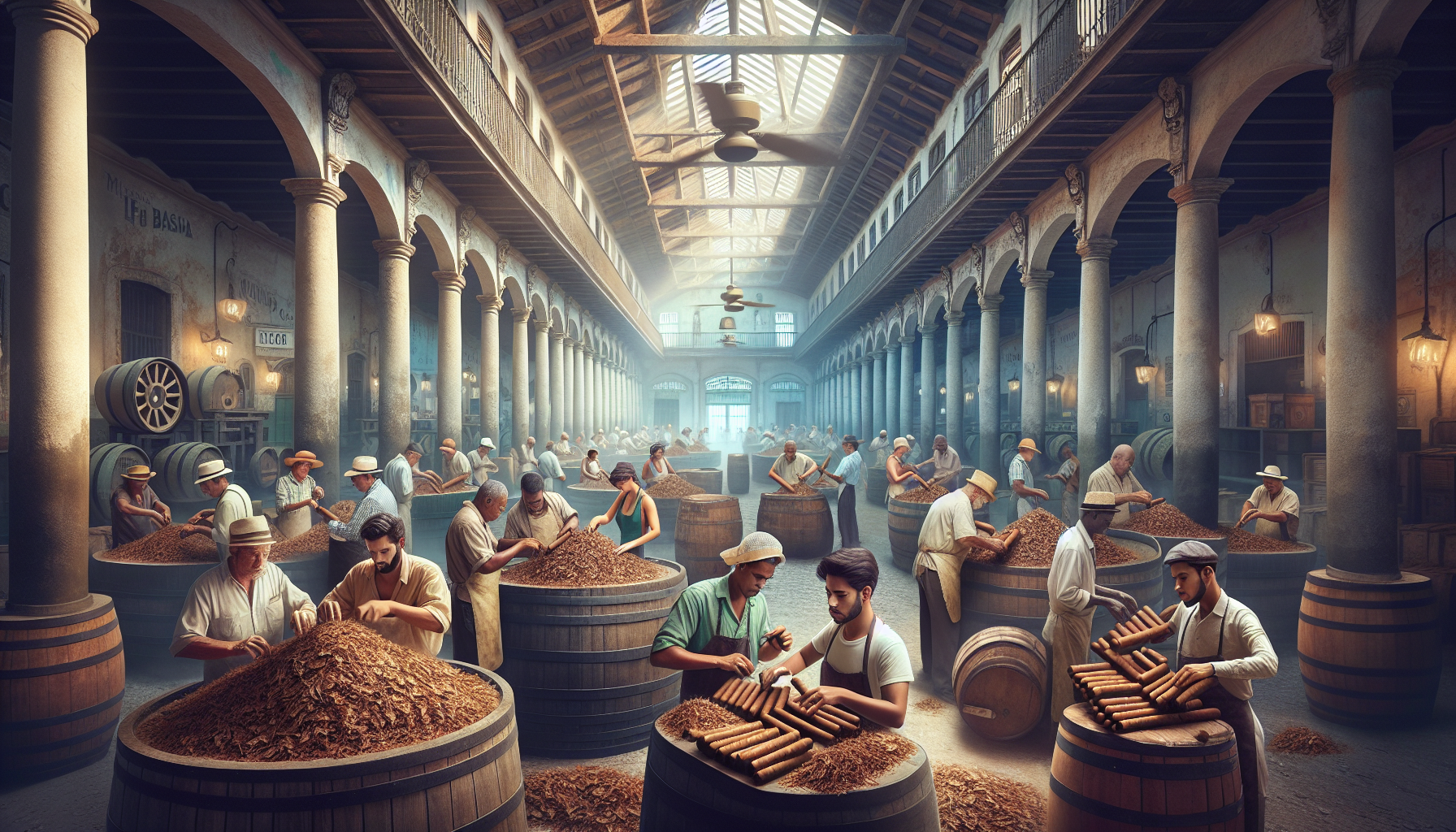
In a significant development since January, the US government has imposed a blockade preventing foreign oil supplies from reaching Cuba. This move has intensified the island’s ongoing economic challenges, particularly affecting industries reliant on fuel, including the famed Cuban cigar sector. The embargo restricts access to essential energy resources, which are critical for manufacturing and transportation processes involved in cigar production.
The Cuban cigar industry, renowned worldwide for its quality and heritage, now faces unprecedented operational difficulties due to the fuel scarcity. Without adequate oil supplies, the cultivation of tobacco, processing, and distribution networks are severely hampered. This situation threatens not only the economic stability of the sector but also the livelihoods of thousands of workers dependent on cigar manufacturing.
Meanwhile, the blockade’s broader implications extend beyond just the cigar industry, highlighting the vulnerability of Cuba’s economy to external pressures. The US policy aims to increase economic strain on the Cuban government, but it also risks damaging cultural exports that contribute significantly to the nation’s identity and global reputation. How Cuba navigates this crisis will be crucial for the future of its iconic cigar industry and the island’s economic resilience.
