

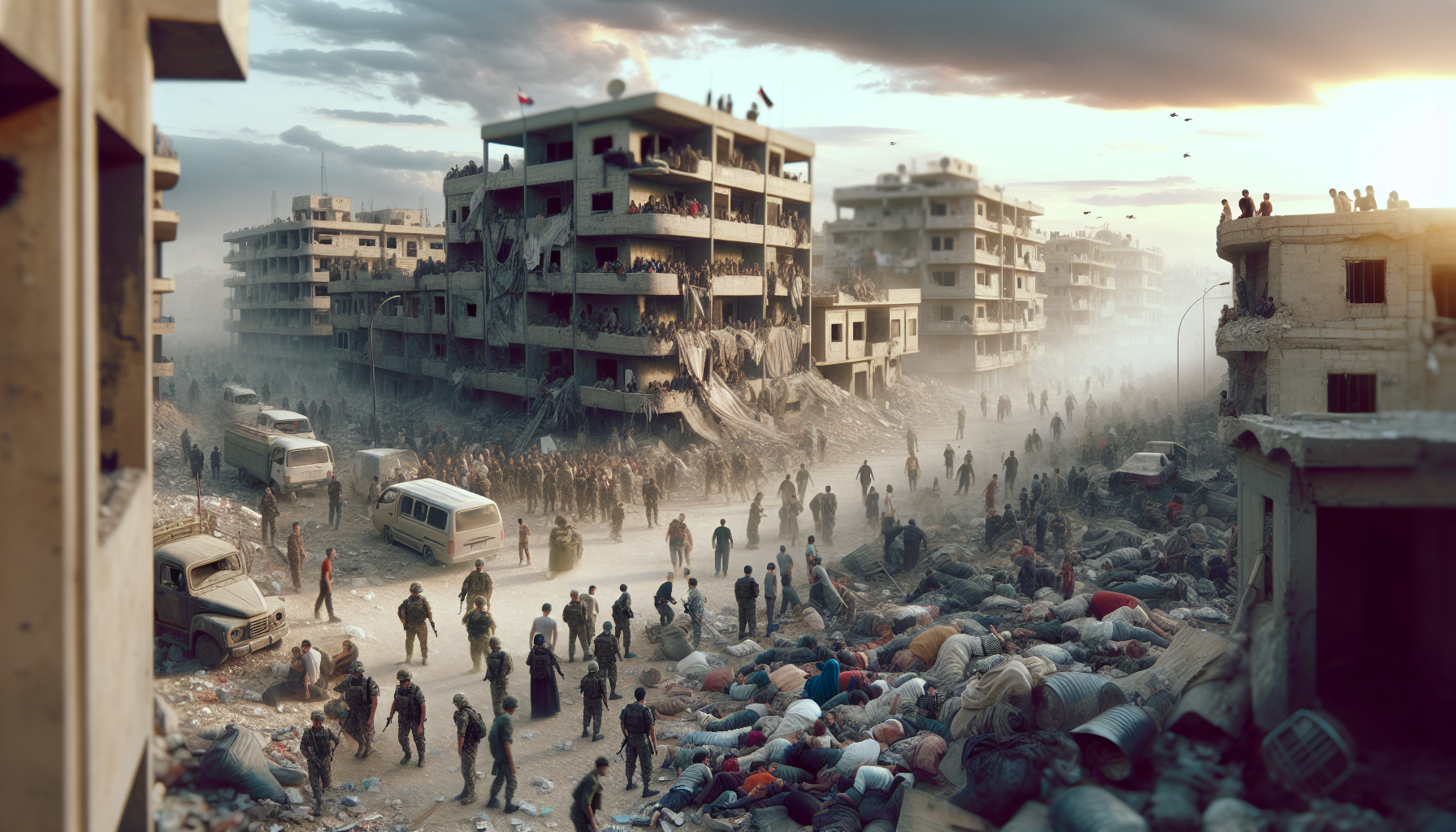
Sudan has been engulfed in a devastating conflict for over three years, resulting in widespread humanitarian crises and significant disruption to the country’s social and economic fabric. The war has involved multiple armed groups, including government forces and various rebel factions, each vying for control and influence. This prolonged violence has led to mass displacement, loss of life, and destruction of infrastructure, severely affecting millions of civilians across the region.
In a significant development, the persistence of the conflict is fueled by complex political rivalries and ethnic tensions that have deep historical roots. The struggle for power among Sudan’s military leaders and opposition groups has hindered peace efforts and prolonged instability. Meanwhile, international attempts to broker ceasefires and peace agreements have faced numerous setbacks, reflecting the challenges of reconciling competing interests and grievances within the country.
Notably, the ongoing war in Sudan has broader regional implications, destabilizing neighboring countries and complicating humanitarian aid delivery. The conflict’s endurance underscores the urgent need for comprehensive dialogue and sustained international engagement to address the root causes of violence. Without effective intervention, Sudan risks further deterioration of its political landscape and worsening conditions for its population.
