

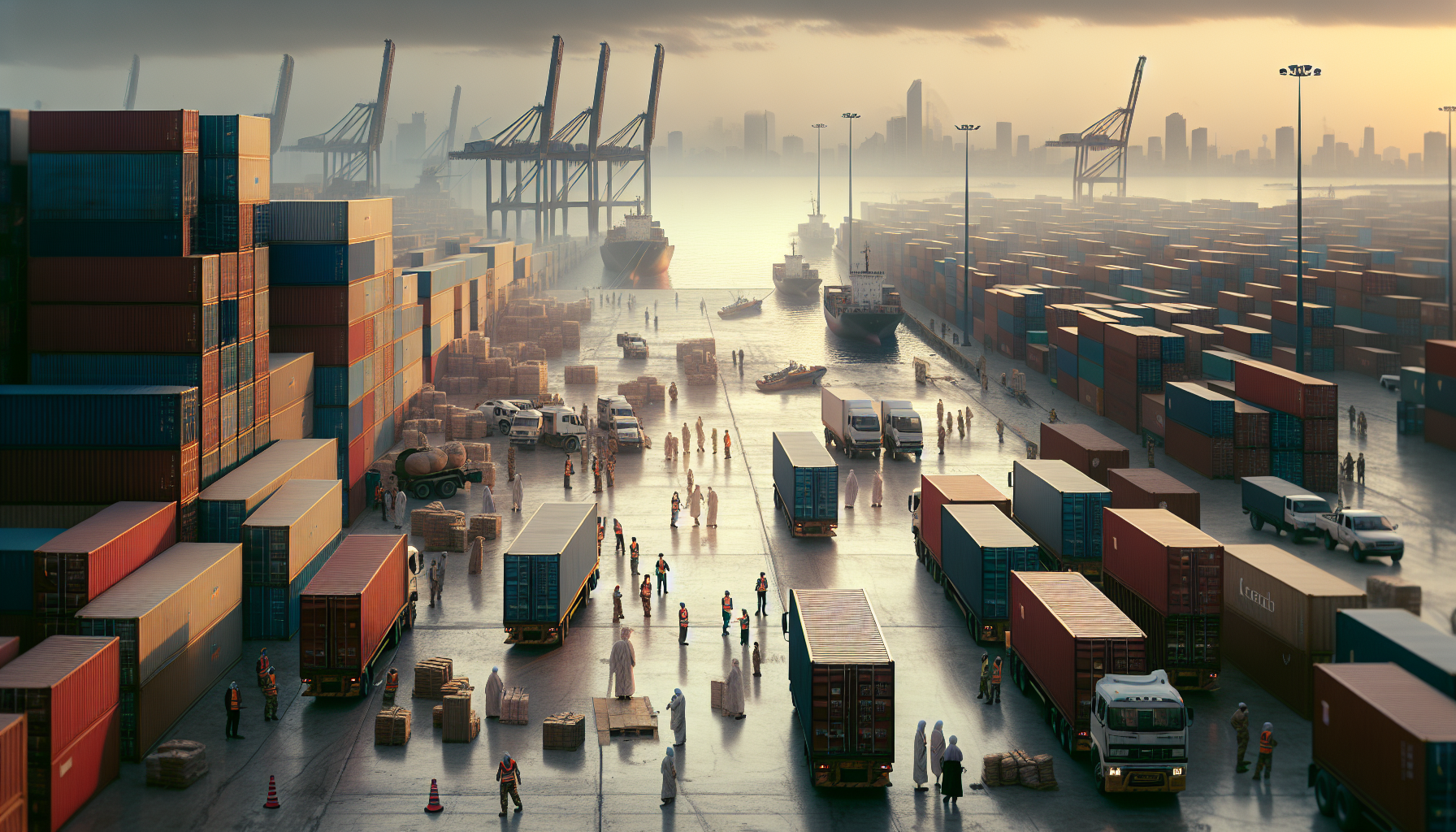
Humanitarian organizations are intensifying efforts to increase the delivery of aid to people displaced within Iran. The ongoing conflict in the region has severely disrupted traditional supply chains, complicating the transport of essential relief materials. Both air and sea routes, which are critical for timely aid distribution, have been closed, creating significant logistical obstacles. These closures have forced aid groups to explore alternative pathways to ensure that vulnerable populations receive necessary support.
In a significant development, the disruption of these key transportation channels has highlighted the fragility of humanitarian operations in conflict zones. The inability to use conventional air and maritime routes has delayed the arrival of food, medical supplies, and shelter materials to displaced communities. This situation underscores the urgent need for coordinated international efforts to facilitate safe and efficient aid delivery. Meanwhile, aid organizations are collaborating with regional partners to identify new corridors and methods to bypass the restrictions imposed by the conflict.
The impact of these challenges extends beyond immediate relief efforts, as prolonged delays in aid can exacerbate the humanitarian crisis. Displaced individuals face increased risks of malnutrition, disease, and inadequate shelter without timely assistance. Notably, the situation calls for heightened global attention and support to overcome logistical barriers and prevent further deterioration of living conditions. The ongoing commitment of aid groups to adapt and respond under these difficult circumstances remains crucial for alleviating human suffering in Iran.
