

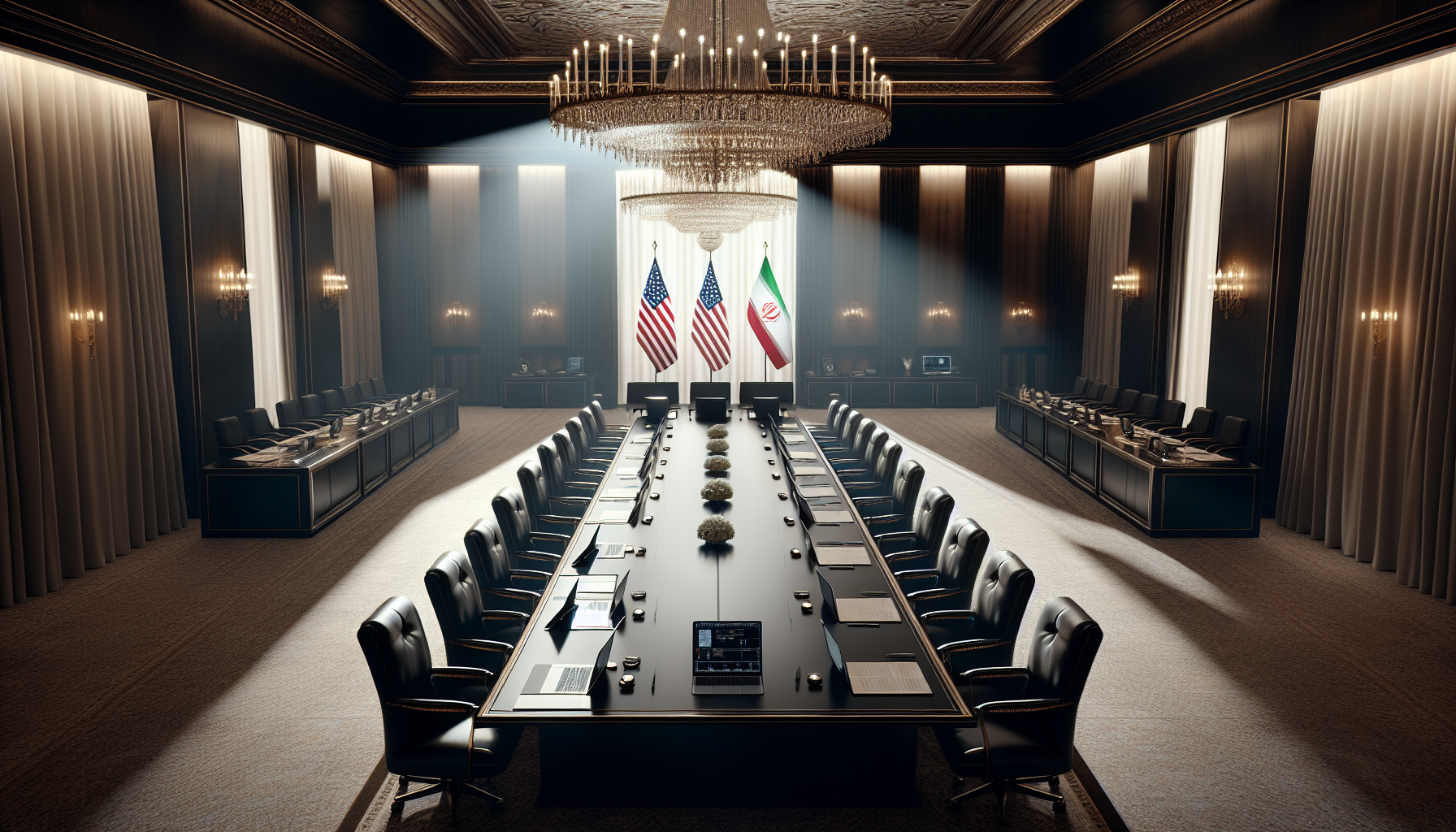
In ongoing nuclear negotiations, the United States is insisting that Iran cease uranium enrichment activities for a period of 20 years. This demand aims to significantly delay Iran’s ability to develop nuclear weapons, thereby enhancing regional and global security. Meanwhile, Iran has proposed a much shorter suspension of just five years, reflecting its desire to maintain some nuclear capabilities and sovereignty over its energy program. The stark difference in these positions underscores the complexity of reaching a mutually acceptable agreement.
Uranium enrichment is a pivotal issue because it directly relates to Iran’s potential to produce nuclear weapons. The longer the enrichment ban, the more time the international community gains to monitor and prevent nuclear proliferation. Iran’s resistance to a prolonged ban is tied to its assertion of the right to peaceful nuclear technology under the Nuclear Non-Proliferation Treaty. This disagreement has been a central obstacle in reviving the 2015 Iran nuclear deal, formally known as the Joint Comprehensive Plan of Action (JCPOA).
In a significant development, the duration of the uranium enrichment ban has become a litmus test for the broader diplomatic efforts between Tehran and Washington. The outcome will influence not only Iran’s nuclear trajectory but also the geopolitical stability of the Middle East. If unresolved, this impasse could lead to increased tensions and complicate efforts to prevent nuclear escalation in the region. Thus, the negotiation over enrichment timelines remains a critical focal point for international diplomacy.
