

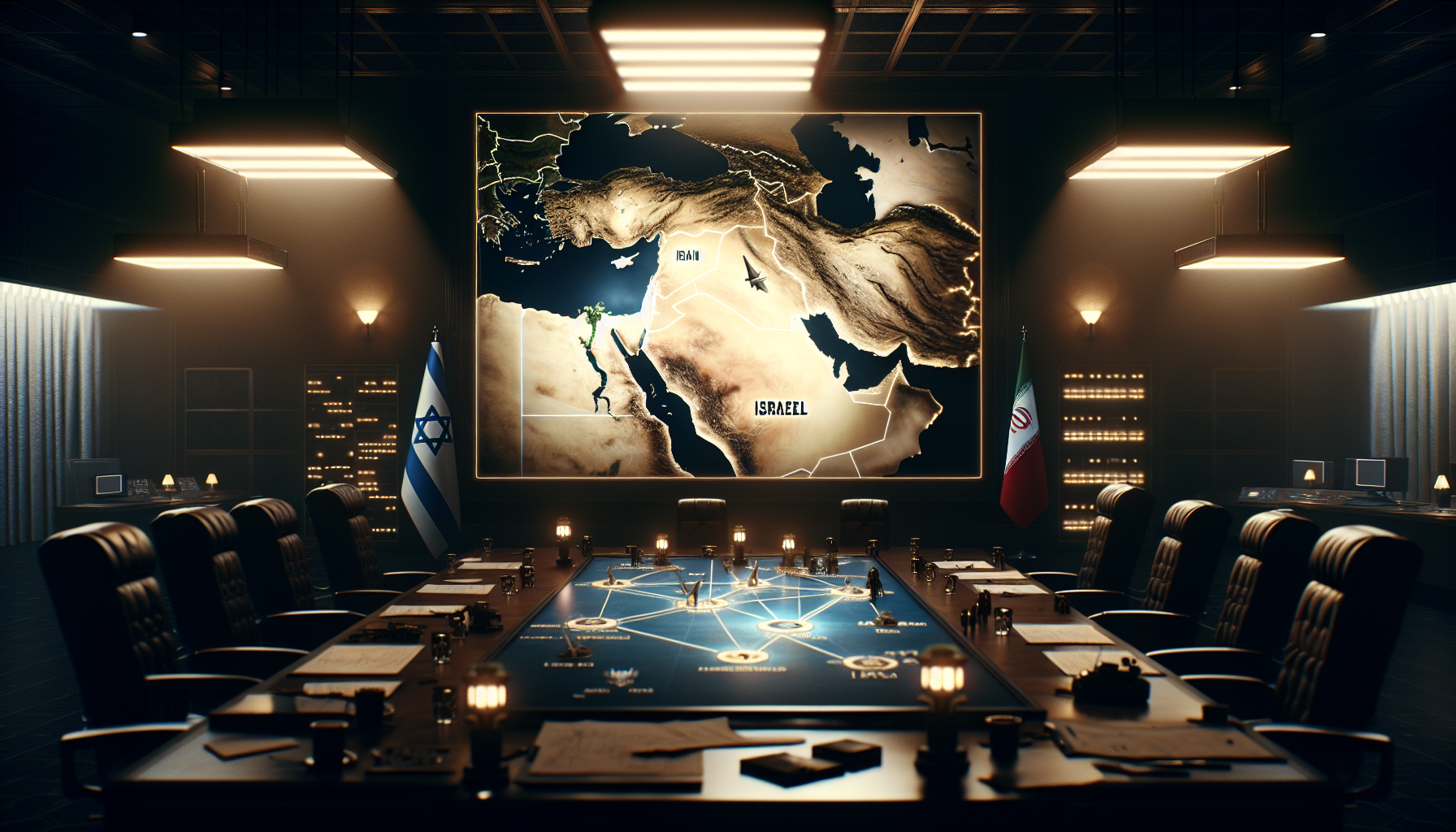
Israel has long pursued a strategy aimed at expanding its influence across the Middle East, envisioning a broader regional dominance often referred to as the ‘Greater Israel’ project. This plan involves extending political, military, and economic control beyond its current borders to reshape the regional balance of power in its favor. However, Iran’s steadfast opposition and strategic resilience have emerged as a formidable barrier to these ambitions, complicating Israel’s efforts to assert hegemony.
Iran’s role as a regional power is underscored by its support for allied groups and its capacity to project influence across neighboring countries, which directly counters Israeli expansionist goals. The failure to neutralize Iran has not only stalled Israel’s territorial and political aspirations but also intensified the ongoing proxy conflicts and diplomatic tensions in the region. This stalemate highlights the complex geopolitical dynamics that define Middle Eastern affairs today.
In a significant development, Iran’s resistance has broader implications for regional stability and international relations, affecting alliances and security strategies among global powers involved in the Middle East. Israel’s inability to overcome this obstacle signals a shift in the regional power structure, potentially encouraging other states to challenge hegemonic designs. The ongoing contest between these two nations continues to shape the future trajectory of Middle Eastern geopolitics.
