

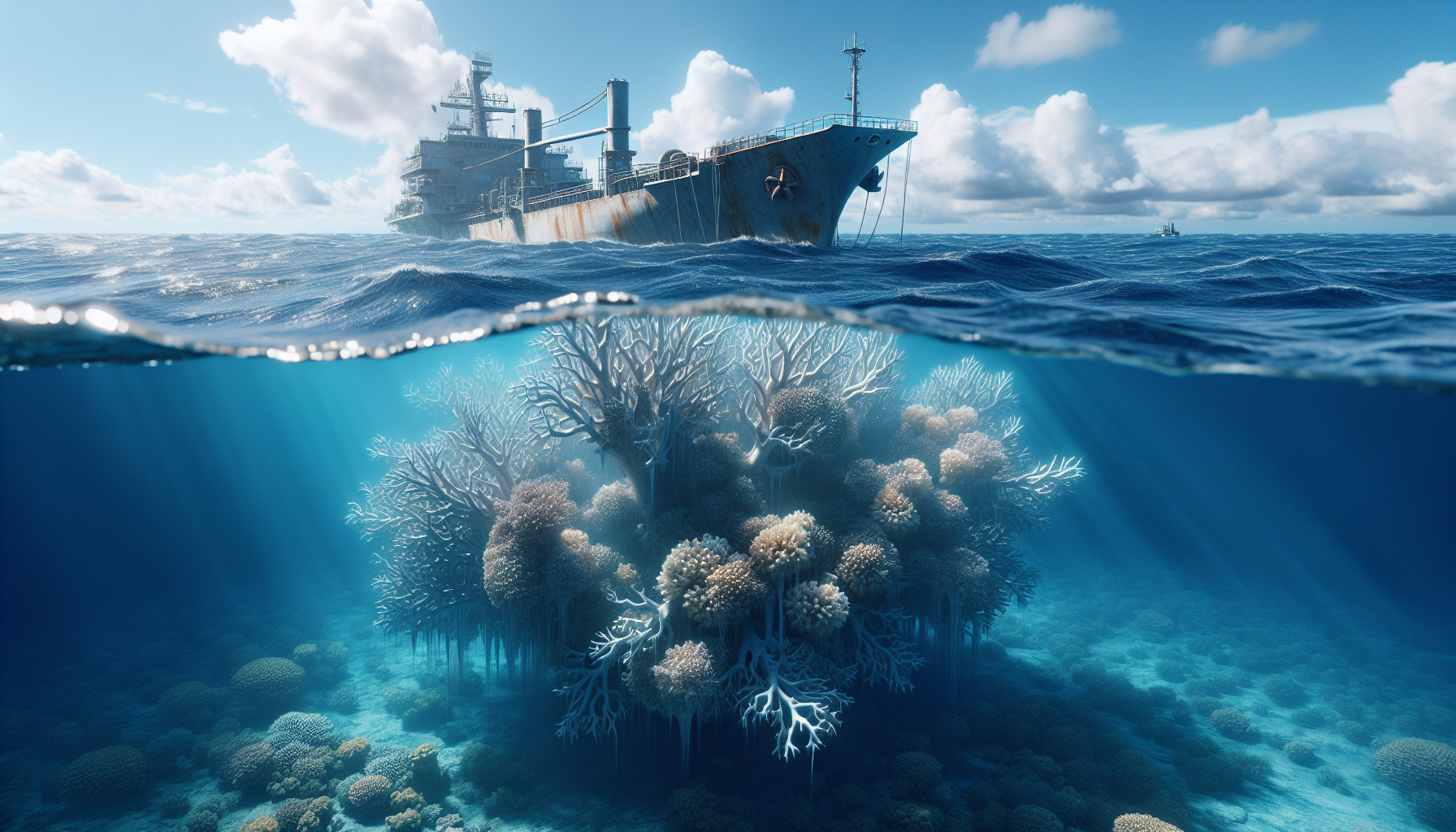
In a significant development, Philippine authorities have accused China of deploying cyanide to contaminate a coral atoll in the disputed South China Sea. This allegation raises serious environmental concerns, as cyanide is highly toxic and can devastate marine biodiversity. The reef in question plays a crucial role in sustaining local marine life and acts as a natural barrier supporting a grounded warship in the area. Such actions could exacerbate tensions in the already volatile maritime region, where sovereignty claims overlap among several nations.
The use of cyanide in marine environments is particularly alarming due to its capacity to cause widespread coral bleaching and kill fish populations, which are vital for ecological balance and local fisheries. The South China Sea is a hotspot for geopolitical rivalry, with China asserting expansive territorial claims that are contested by the Philippines and other neighboring countries. Damage to the reef could undermine the natural habitat that supports both marine species and strategic military assets, complicating efforts to maintain peace and environmental sustainability.
Meanwhile, environmentalists and regional stakeholders have expressed concern over the long-term impact of chemical pollution on the fragile coral ecosystems. The reef’s degradation could lead to a loss of biodiversity and disrupt the livelihoods of communities dependent on fishing. This incident underscores the broader implications of environmental harm intertwined with geopolitical disputes in the South China Sea, highlighting the urgent need for cooperative measures to protect marine resources and uphold international maritime laws.
