

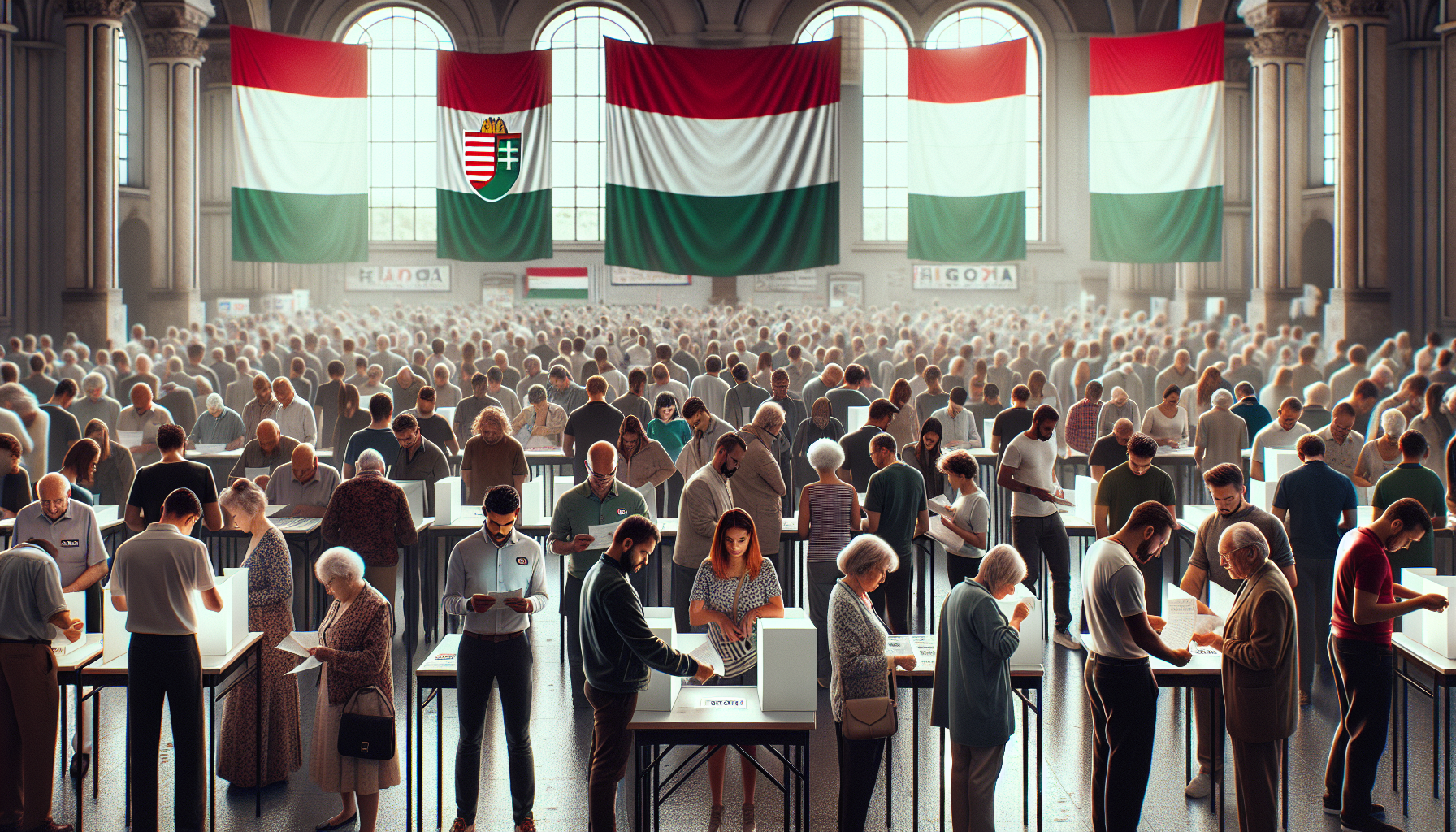
In a landmark election characterized by an unprecedented voter turnout, Hungary’s citizens have decisively ended the 16-year tenure of Prime Minister Viktor Orban. Orban, known for his far-right policies and nationalist rhetoric, has dominated Hungarian politics since 2010, shaping the country’s direction with a strong emphasis on conservative values and Euroscepticism. His administration has been both praised for economic growth and criticized for undermining democratic institutions and press freedom.
The election outcome signals a significant shift in Hungary’s political landscape, as voters opted for change after years of Orban’s centralized control. This development could impact Hungary’s relationship with the European Union, given Orban’s often contentious stance towards Brussels. Meanwhile, opposition parties have united to challenge the entrenched power structures, reflecting growing public demand for democratic reforms and greater transparency.
Notably, the high voter engagement underscores the electorate’s desire to influence the country’s future direction amid rising concerns over governance and civil liberties. The transition marks a pivotal moment for Hungary, potentially altering its domestic policies and international alliances. Observers will closely watch how the new leadership navigates the challenges left by Orban’s long rule and addresses the aspirations of a politically energized population.
