

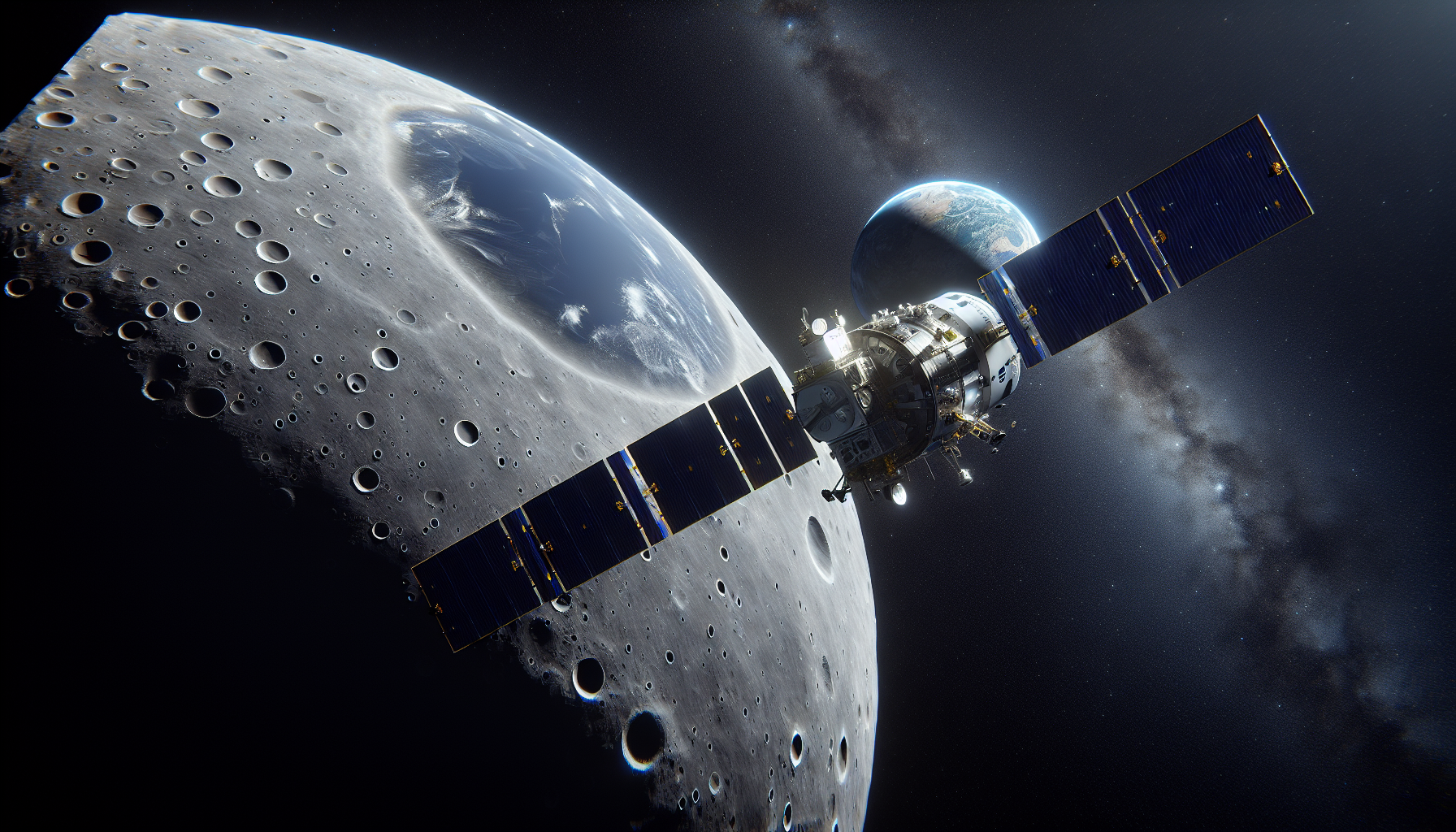
NASA has celebrated the successful completion of the Artemis II mission, which marked a significant milestone by sending astronauts on a journey around the moon. This mission is part of NASA’s broader Artemis program aimed at establishing a sustainable human presence on the lunar surface. The achievement demonstrates advanced capabilities in space travel and paves the way for future manned lunar landings.
In a significant development, NASA officials described the mission as a remarkable accomplishment that showcases the progress of human space exploration. The Artemis II mission not only tested critical spacecraft systems but also provided valuable data to ensure the safety and efficiency of subsequent missions. This success builds momentum for Artemis III, which aims to land astronauts on the moon and eventually support missions to Mars.
Meanwhile, NASA acknowledges that despite this triumph, considerable work remains to achieve long-term goals in space exploration. Challenges such as developing sustainable life support systems, refining spacecraft technology, and ensuring astronaut safety continue to demand attention. The Artemis program’s progress is vital for maintaining global leadership in space and inspiring future generations of scientists and explorers.
