

The district administrations of Islamabad and Rawalpindi have prolonged the local holidays in the twin cities until April 11, in anticipation of the arrival of US and Iranian delegations for peace negotiations in Islamabad. Initially, local holidays were declared for April 9 and 10, during which all schools and offices were ordered to close.
In a statement shared on the social media platform X, Islamabad Deputy Commissioner Irfan Nawaz Memon announced that Saturday, April 11, 2026, will also be observed as a local holiday within the revenue limits of Islamabad Capital Territory (ICT). Despite the holiday, essential services including the Metropolitan Corporation Islamabad (MCI), Capital Development Authority (CDA), ICT Administration, ICT Police, Islamabad Electric Supply Company (IESCO), Sui Northern Gas Pipelines Limited (SNGPL), and hospitals will continue to operate fully to ensure uninterrupted public services.
Citizens have been advised to adjust their plans accordingly. Meanwhile, Rawalpindi Deputy Commissioner Hassan Waqar Cheema issued a similar notification declaring April 11 a local holiday within Rawalpindi’s jurisdiction.
Pakistan is intensifying preparations for the critical peace talks between the United States and Iran, scheduled to take place in Islamabad. These discussions aim to transform the fragile two-week ceasefire into a durable peace agreement. US Vice President JD Vance arrived in Islamabad earlier today, leading the American delegation for talks with Iranian representatives.
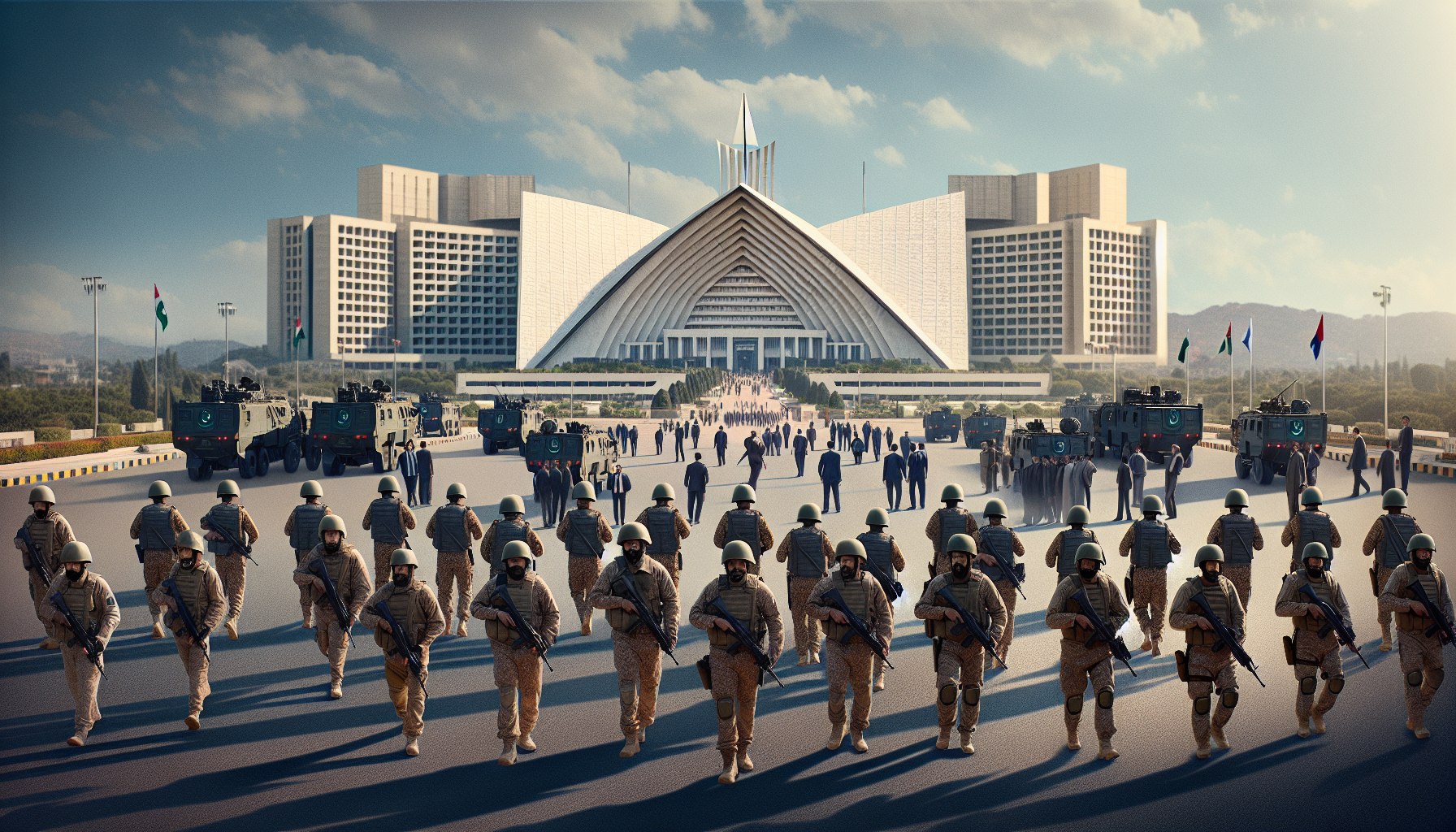
In a significant development, Interior Minister Mohsin Naqvi chaired a meeting to review security and administrative arrangements for the talks in the federal capital. He instructed authorities to guarantee foolproof security and provide exceptional hospitality for all foreign guests. The meeting also resolved that the Red Zone will be completely sealed during the negotiations, with access restricted solely to authorized personnel.
The ongoing conflict in the Middle East began on February 28, when the US and Israel launched coordinated strikes that resulted in the assassination of Iran’s Supreme Leader Ali Khamenei and targeted Iran’s military and nuclear infrastructure, causing over 2,000 casualties in five weeks. In retaliation, Tehran blocked the Strait of Hormuz, a vital shipping route, and launched attacks against Israel and US bases across the Gulf region.
The hostilities ceased on April 8 after Prime Minister Shehbaz Sharif announced a two-week ceasefire, setting the stage for the current peace talks in Islamabad.
