

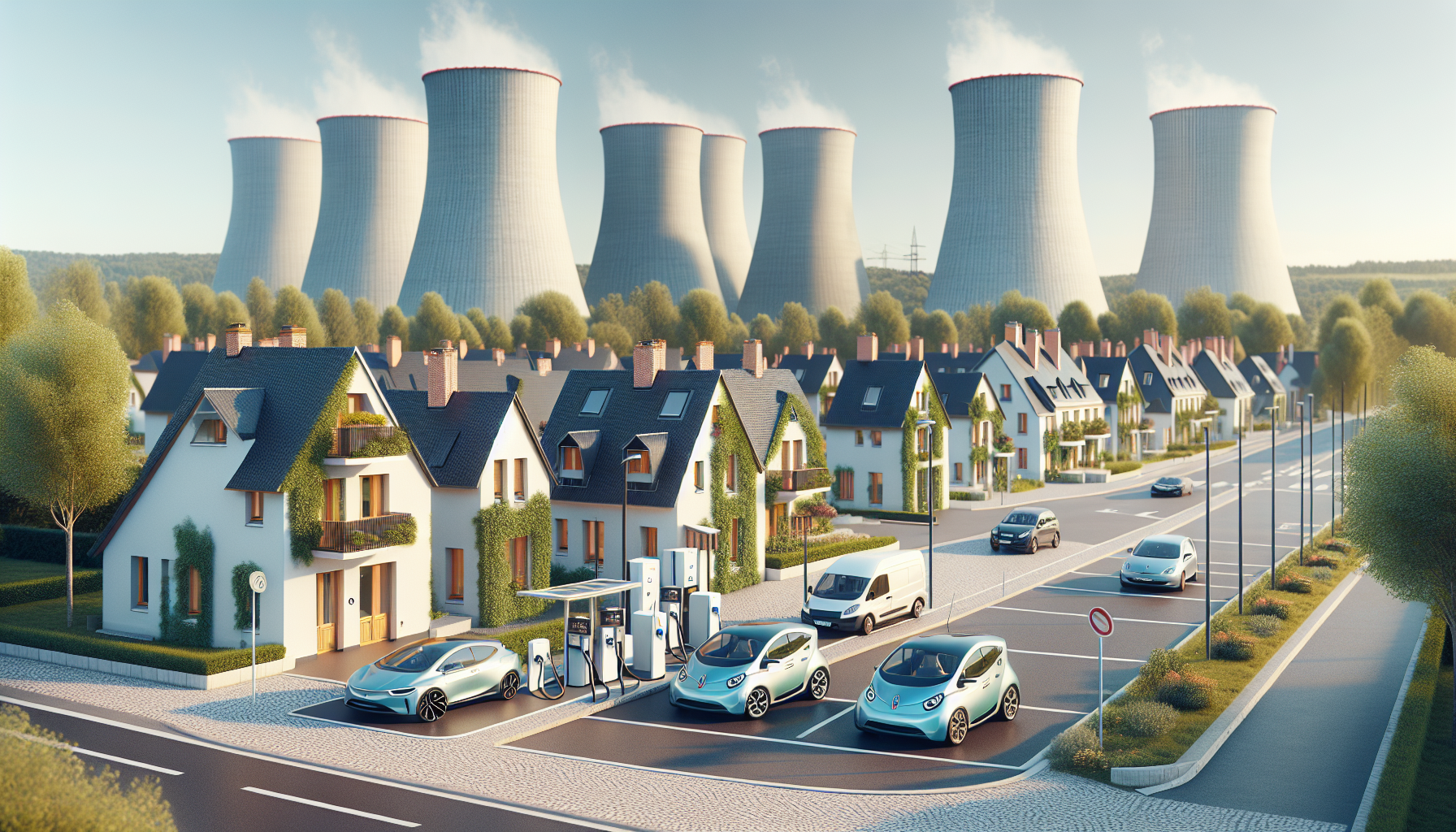
France has announced plans to increase its annual state funding to as much as 10 billion euros ($11.72 billion) through 2030 to accelerate the transition from oil, gas, and related fuels to electricity. Prime Minister Sebastien Lecornu revealed this significant boost in support on Friday, aiming to reduce the country’s reliance on imported fossil fuels.
The initiative includes measures to expand the use of electric vehicles and modernize residential heating systems. These efforts are designed to shield France from energy supply disruptions similar to those caused by the ongoing conflict in Iran, which has severely impacted seaborne oil and gas shipments passing through the Strait of Hormuz and damaged critical energy infrastructure in the Middle East.
“Currently, 60 percent of our energy consumption depends on imported fossil fuels, despite our domestically generated nuclear power being three times cheaper,” Lecornu stated during a televised address. He emphasized that continued dependence on oil and gas means France will keep bearing the consequences of foreign conflicts, which will persist and lead to economic hardship.
In a strategic move, France aims to substitute 85 terawatt-hours of gas—equivalent to 20 percent of its annual gas imports—with domestically produced electricity by 2030. Additionally, the government plans to install one million new heat pumps annually until that year and will prohibit the installation of new gas boilers in newly built homes starting next year.
