

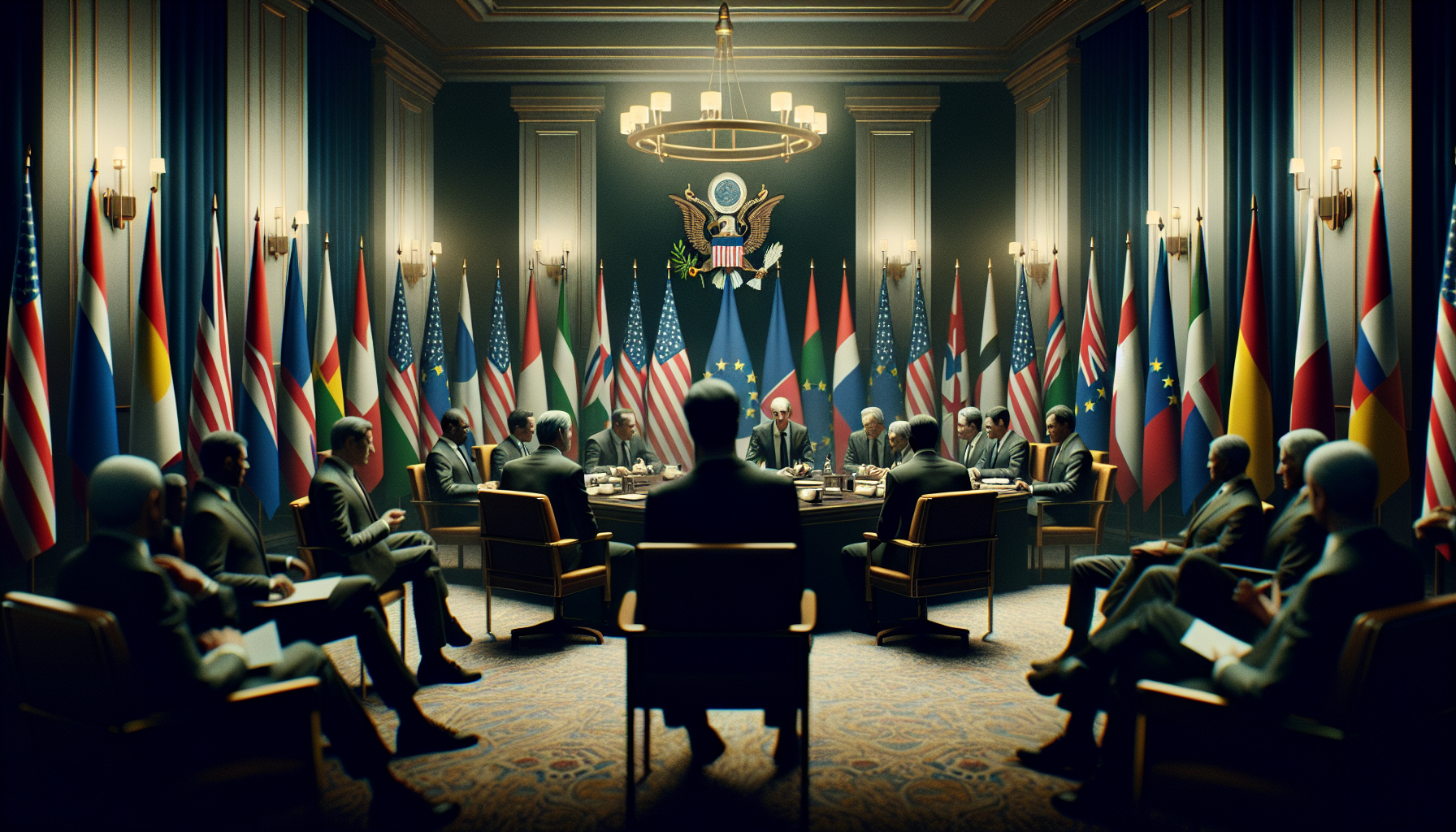
In a significant development, the US President has expressed frustration with European NATO members for their reluctance to provide military support in a potential conflict with Iran. This criticism highlights growing tensions within the transatlantic alliance, as the United States seeks greater burden-sharing from its partners. The President’s remarks suggest that the US is contemplating a withdrawal from NATO if its demands for military contributions are not met. Such a move would mark a dramatic shift in US foreign policy and could destabilize longstanding security arrangements.
Historically, NATO has served as a cornerstone of collective defense among Western nations since its founding in 1949. The alliance has faced challenges adapting to new geopolitical threats, including tensions with Iran, whose nuclear ambitions and regional influence have alarmed the West. The US has often relied on NATO to coordinate military and diplomatic efforts, but divergent priorities among member states have occasionally strained cooperation. The current dispute over contributions to a potential Iran war underscores these ongoing difficulties.
Should the US proceed with withdrawing from NATO, the implications would be profound for global security and diplomatic relations. European countries might be forced to reassess their defense strategies and increase their own military spending. Meanwhile, adversaries could exploit a perceived weakening of Western unity. This situation also raises questions about the future of US alliances and its role in international conflict management, particularly in volatile regions like the Middle East.
