

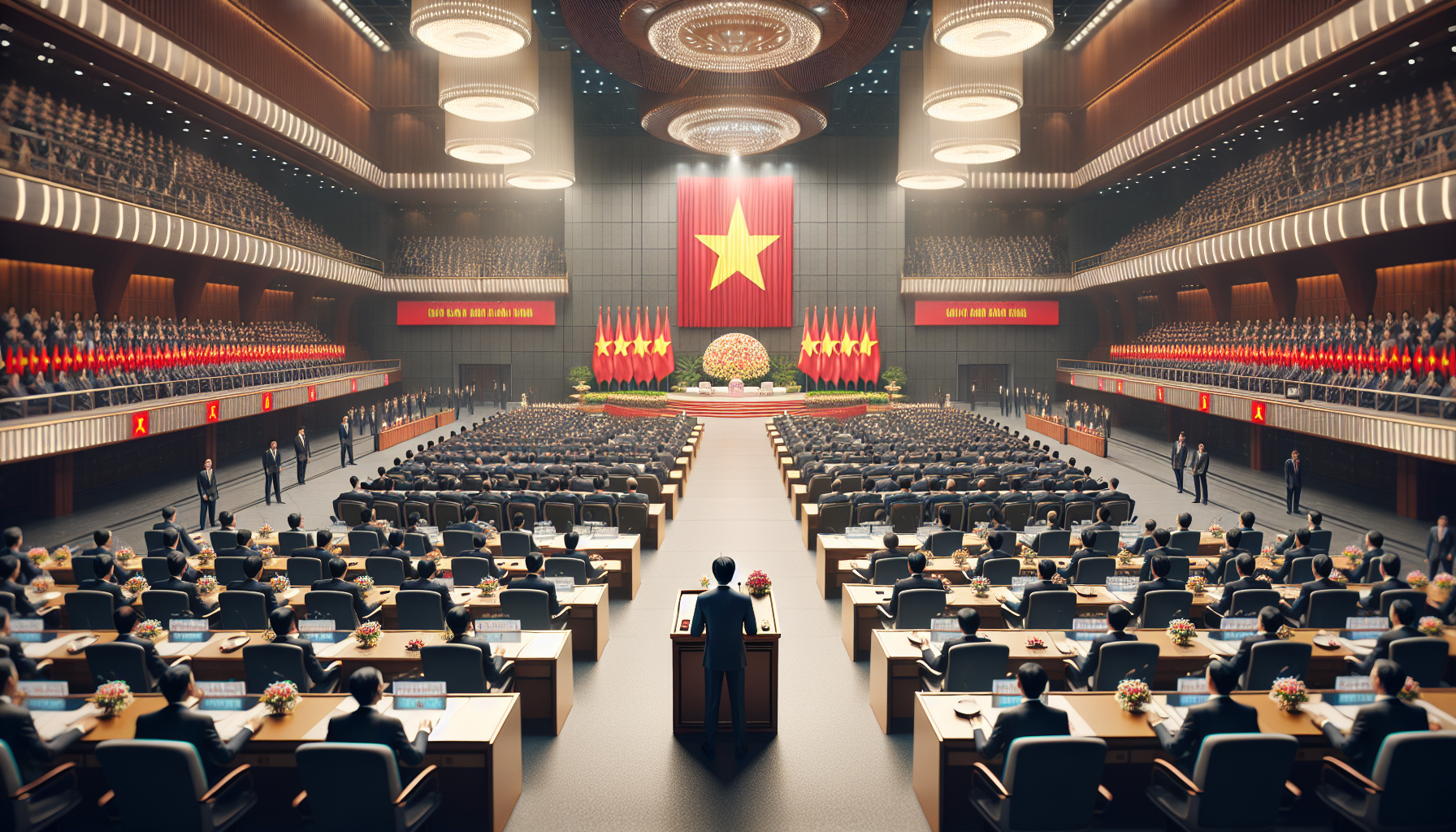
In a significant development, Vietnam’s Communist Party chief, To Lam, has been unanimously elected as the country’s president. This dual role consolidates his influence, combining the highest party and state positions, which is an uncommon concentration of power in Vietnam’s political landscape. The move signals a strategic shift in governance, potentially streamlining decision-making processes at the highest levels.
Vietnam’s political system traditionally separates the roles of party leadership and the presidency to maintain a balance of power within its one-party state framework. To Lam’s election as president while retaining his party leadership marks a notable departure from this norm. This consolidation could impact both domestic policies and Vietnam’s approach to international relations, reflecting a more centralized command structure.
Observers note that this power concentration might strengthen the Communist Party’s control amid regional and global challenges. It also raises questions about future political dynamics within Vietnam, including potential shifts in policy priorities and governance style. Meanwhile, the unanimous vote underscores the party’s unified support for To Lam’s leadership during this pivotal period.
