

Astronauts aboard NASA’s Artemis II mission have achieved a historic milestone by traveling farther from Earth than any human crew before them. The four-member team journeyed approximately 252,756 miles (over 400,000 kilometers) from Earth, breaking the distance record previously held by Apollo 13 astronauts in 1970.
This mission represents humanity’s most distant venture into space in over fifty years and marks a significant advancement toward NASA’s goal of returning humans to the lunar surface. The crew, consisting of Reid Wiseman, Victor Glover, Christina Koch, and Canadian Space Agency astronaut Jeremy Hansen, conducted a six-hour survey of the Moon’s far side, a region that remains permanently hidden from Earth.
As the Orion spacecraft passed behind the Moon, communication with mission control was temporarily lost, highlighting the isolation and inherent risks of deep space exploration. During the flyby, the astronauts observed rare flashes caused by meteor impacts on the lunar surface. Scientists on Earth monitored these events in real time, noting their importance for enhancing understanding of lunar environmental conditions.
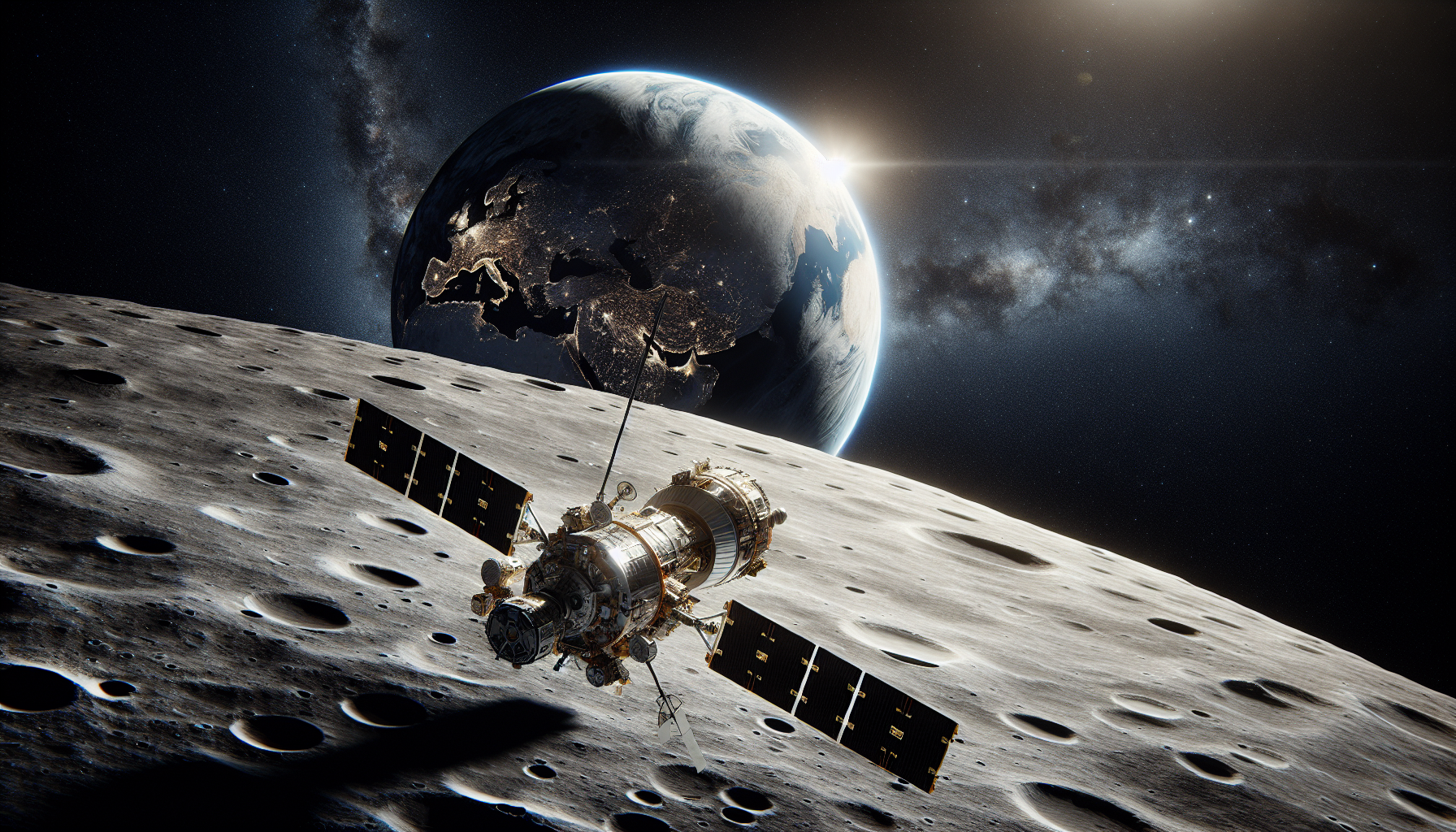
The mission also provided the crew with extraordinary views, including witnessing Earth rising above the lunar horizon—a striking reversal of the familiar moonrise seen from Earth. The astronauts described this sight as one of the most profound moments of their journey, emphasizing the fragility and distance of their home planet.
Adding a personal touch to the historic flight, the astronauts informally named several previously unnamed lunar craters, including one dedicated to a late family member. Artemis II serves as a vital test flight within NASA’s broader Artemis program, which aims to land astronauts on the Moon later this decade and establish a sustainable human presence there.
Widely regarded as a bridge between the Apollo era’s achievements and future ambitions, Artemis II paves the way for upcoming crewed missions not only to the Moon but potentially to Mars as well.
