

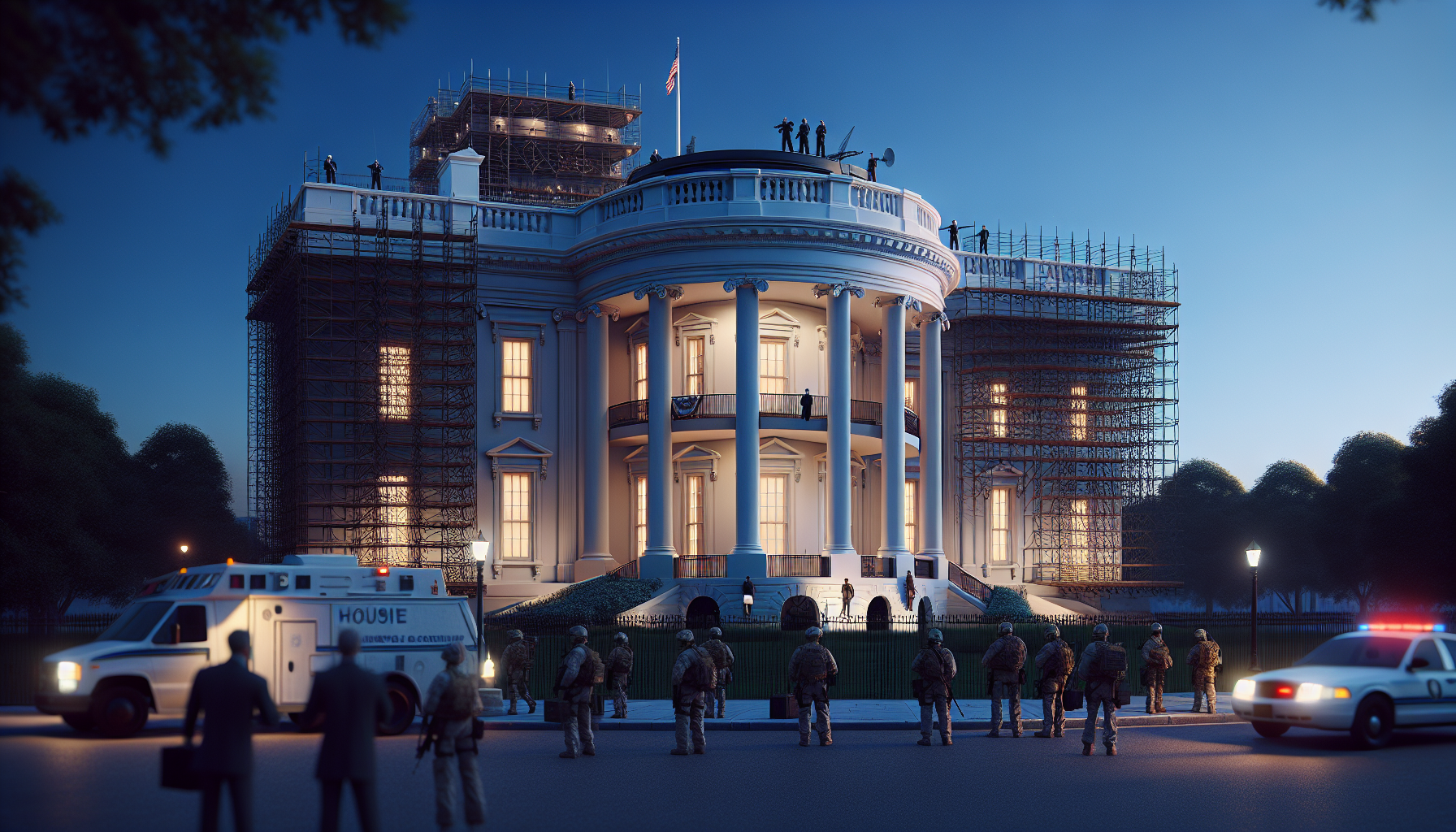
In a significant development, former President Donald Trump has submitted an emergency motion to continue the construction of a ballroom at the White House. The motion contends that a recent court ruling halting the project was flawed and has created vulnerabilities in national security. This legal move highlights the ongoing disputes surrounding modifications to the White House, a site of immense historical and political importance.
The ballroom construction has been a contentious issue, drawing attention due to its potential impact on the security and functionality of the presidential residence. Trump’s argument emphasizes that delaying the project could compromise critical security measures, underscoring the urgency behind the motion. This case reflects broader debates about balancing preservation, modernization, and security in government properties.
Meanwhile, the court’s suspension of the construction has sparked discussions among legal experts and political observers regarding the authority and oversight of renovations at the White House. The outcome of this motion could set a precedent for how future alterations to key federal landmarks are managed. As the situation unfolds, it remains a focal point for those interested in the intersection of law, politics, and national security.
