

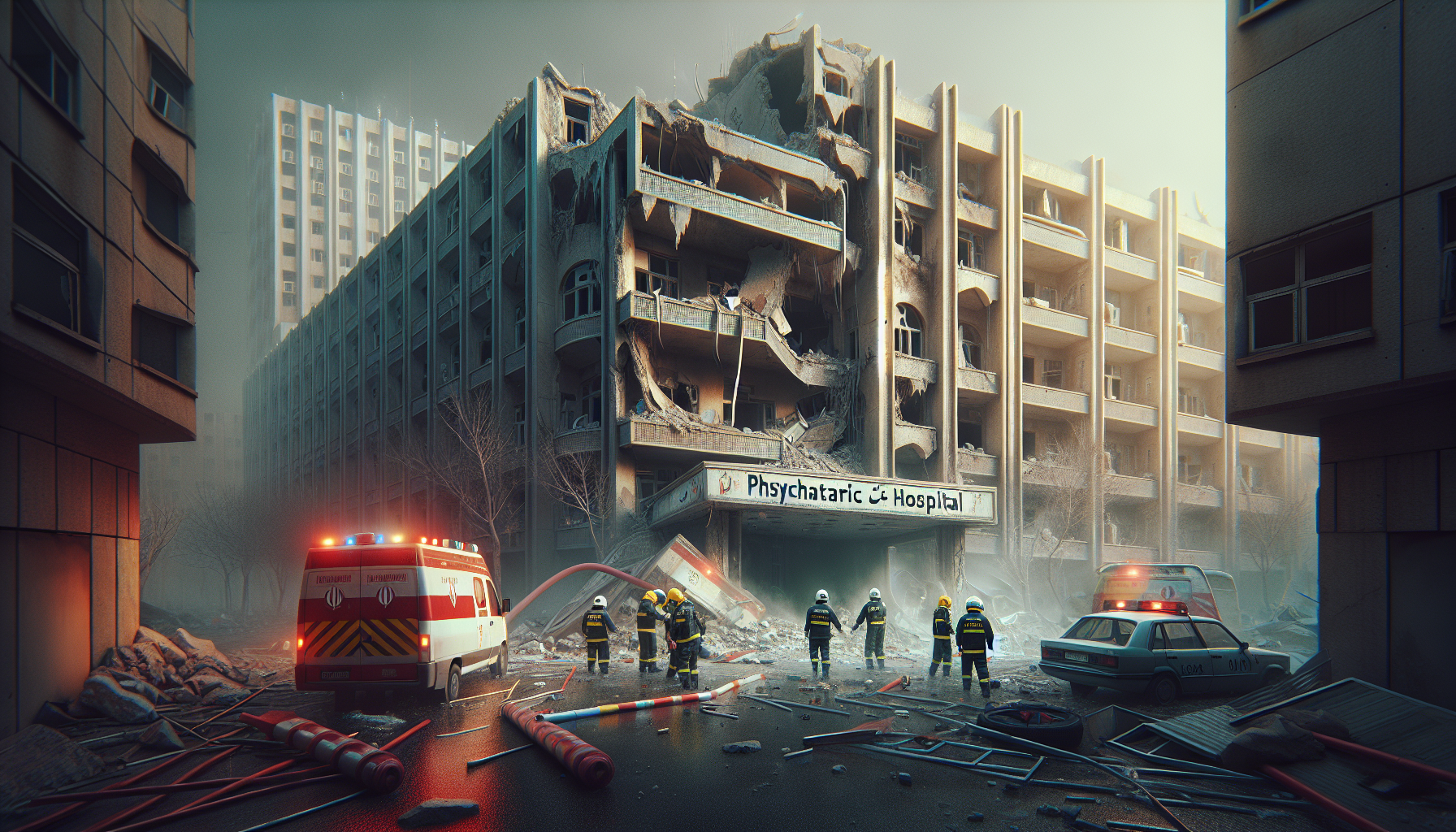
A psychiatric hospital in Tehran has been rendered non-functional after a strike attributed to US-Israeli forces, the hospital’s chief. This development marks a significant disruption in the provision of mental health care in Iran’s capital, where such specialized facilities are critical for vulnerable populations. The hospital’s closure underscores the broader humanitarian impact of military actions on civilian infrastructure.
Psychiatric hospitals play a vital role in supporting patients with mental illnesses, offering treatment and rehabilitation services that are often limited in conflict zones. The loss of this facility not only affects current patients but also strains the healthcare system, which may struggle to accommodate displaced individuals requiring urgent care. Meanwhile, the strike reflects ongoing geopolitical tensions involving the US, Israel, and Iran, with civilian institutions increasingly caught in the crossfire.
In a significant development, the damage to healthcare infrastructure raises concerns among international observers about the protection of medical facilities during conflicts. The incident may prompt calls for greater adherence to international humanitarian laws designed to safeguard hospitals and patients. Furthermore, the disruption to psychiatric services could have long-term consequences for public health in Tehran, emphasizing the need for urgent restoration and support.
